Are we looking for a high-capacity, long-life LiFePO4 cell to build a robust DIY battery bank for caravan, marine, or solar use?
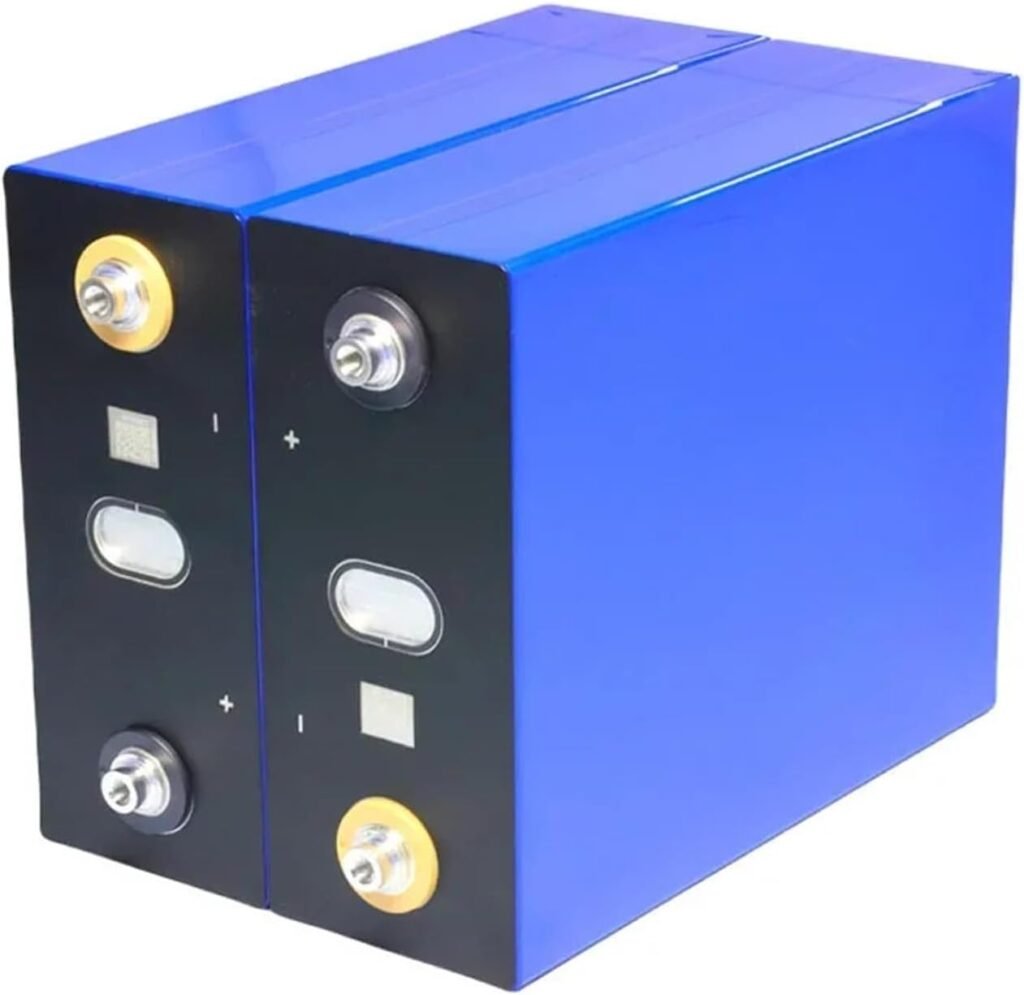

Product overview: 3.2V 340Ah LiFePO4 Cell 10000 Cycle Rechargeable Battery Suitable For DIY 12V 24V 48V Caravan Marine Solar Energy System(3.2V 340Ah 64pcs)
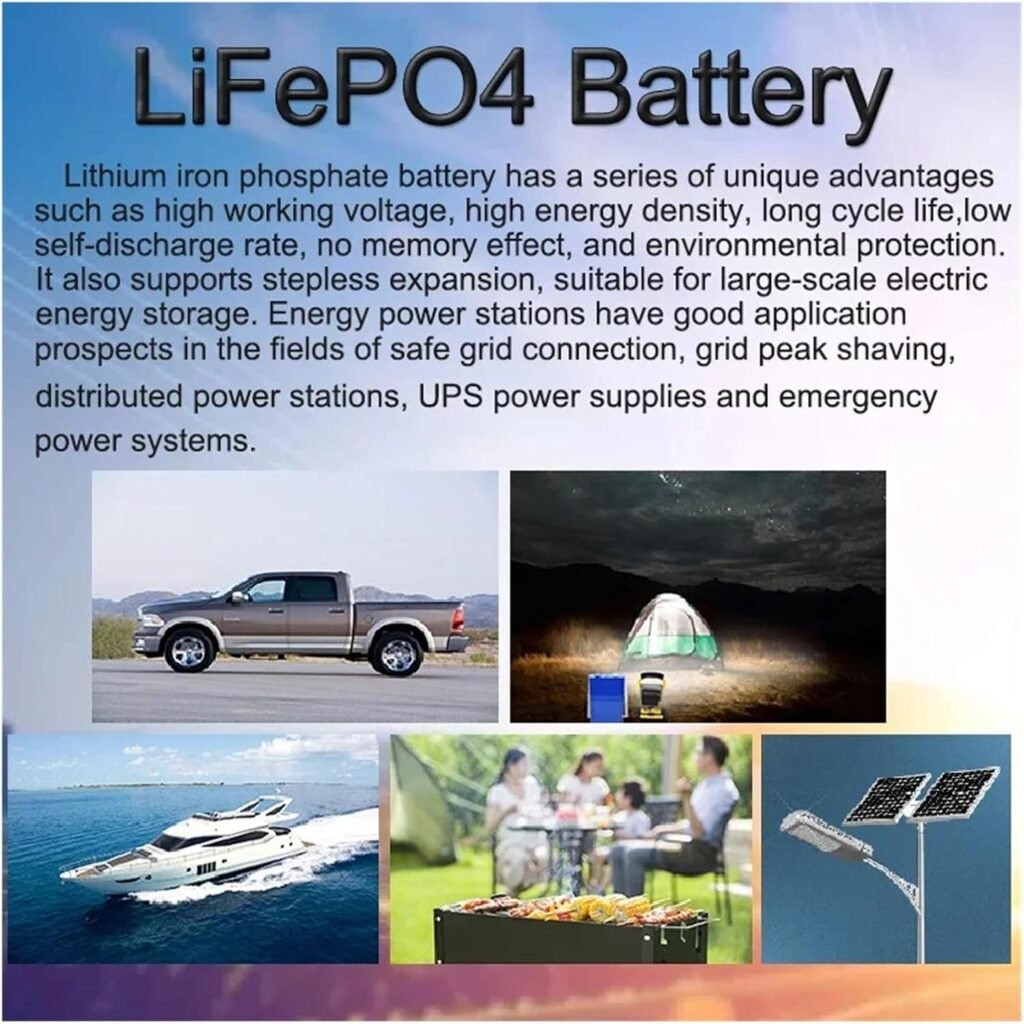
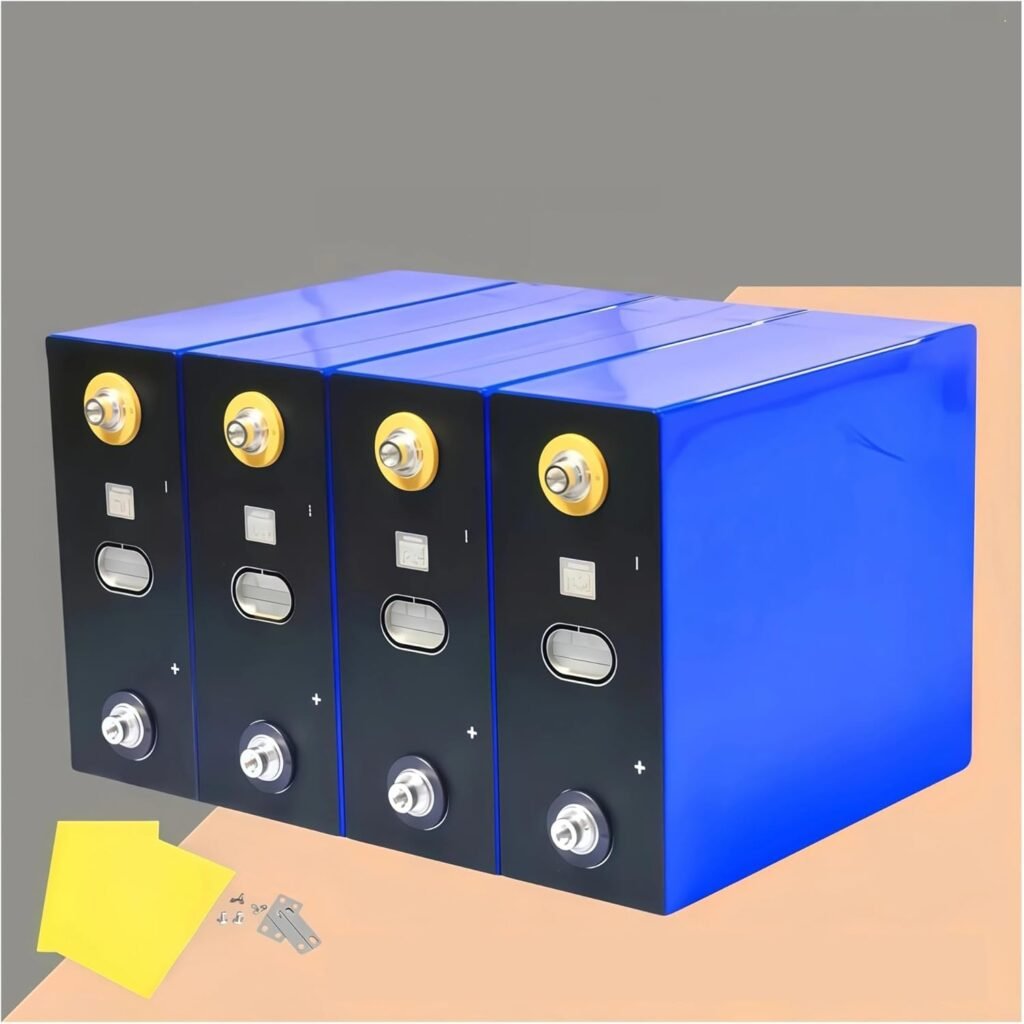
We see this product as a single-cell LiFePO4 (lithium iron phosphate) battery with a nominal voltage of 3.2V and a rated capacity of 340Ah. The seller lists fast charging support, multiple safety protections (overcharge, overdischarge, short circuit), and a tested long cycle life of more than 10,000 cycles. The listing is targeted at DIY builders who want to assemble 12V, 24V, or 48V battery banks for caravans, boats, off-grid solar, and other applications. The pack option of 64 pieces gives us flexibility to create larger systems or multiple smaller systems from one purchase.
What this product is best suited for
We think this cell is tailored toward hobbyists, off-griders, and installers who prefer modular assembly and want the safety and longevity of LiFePO4 chemistry. Because each cell is a standalone module rated at 3.2V, we can assemble series and parallel combinations to reach desired system voltages and capacities. That makes these cells especially attractive for 12.8V (4s), 25.6V (8s), and 51.2V (16s) nominal systems.
Key specifications (single cell)
We find it helpful to lay out the primary specifications clearly so we can reference them during design and system planning.
| Specification | Value |
|---|---|
| Chemistry | LiFePO4 (Lithium Iron Phosphate) |
| Nominal Voltage | 3.2 V |
| Rated Capacity | 340 Ah |
| Energy per cell | 3.2 V × 340 Ah = 1,088 Wh (1.088 kWh) |
| Cycle Life | >10,000 cycles (manufacturer claim after testing) |
| Protections | Overcharge protection, overdischarge protection, short circuit protection |
| Typical Applications | DIY 12V/24V/48V battery banks, caravan, marine, solar energy systems |
| Pack Option Mentioned | 64 pieces |
We like using a concise spec table like this when planning battery banks because it makes calculations straightforward.
Energy and capacity calculations
We want to understand how much usable energy and how many cells we need for common voltages. Here are calculations that help turn single-cell specs into system-level energy.
- Single cell energy: 3.2 V × 340 Ah = 1,088 Wh ≈ 1.088 kWh.
- 12.8 V nominal (4 in series): 12.8 V × 340 Ah = 4,352 Wh ≈ 4.35 kWh per 4s string.
- 25.6 V nominal (8 in series): 25.6 V × 340 Ah = 8,704 Wh ≈ 8.70 kWh per 8s string.
- 51.2 V nominal (16 in series): 51.2 V × 340 Ah = 17,408 Wh ≈ 17.41 kWh per 16s string.
That lets us size our systems and estimate runtime for appliances. For example, a 1,000 W load on a 12.8 V single-string pack (4s, 340 Ah) would run theoretically for about 4.35 hours at full discharge (not accounting for inverter inefficiencies and recommended usable depth-of-discharge).
Using the 64-piece option
If we purchase the 64-cell package, we can form different configurations:
- 12.8 V system: 4 cells per string → 64 / 4 = 16 parallel strings → 340 Ah × 16 = 5,440 Ah at 12.8 V → energy = 12.8 × 5,440 = 69,632 Wh ≈ 69.63 kWh.
- 25.6 V system: 8 cells per string → 64 / 8 = 8 parallel strings → 340 Ah × 8 = 2,720 Ah at 25.6 V → energy = 25.6 × 2,720 = 69,632 Wh (same total energy, different voltage).
- 51.2 V system: 16 cells per string → 64 / 16 = 4 parallel strings → 340 Ah × 4 = 1,360 Ah at 51.2 V → energy = 51.2 × 1,360 = 69,632 Wh.
We appreciate that the total stored energy remains constant when all 64 cells are used (aside from connection losses), and we can choose the voltage best suited to our inverter and system design.
Charging: fast charging and practical considerations
We like that the product claims fast charging support. Fast charging is very useful in mobile and off-grid situations where generation or shore power time is limited. However, the practical charge rate will depend on the battery management system (BMS) and charger we pair with the cells.
- Recommended charge voltage: For LiFePO4 cells, per-cell maximum charge voltage is usually 3.65–3.8 V; for a 4s pack this becomes ~14.6–15.2 V max. We should confirm the exact manufacturer recommended charge voltage and set chargers accordingly.
- Charge current: Fast charging is possible, but we should choose charge currents within safe limits for the cell and BMS. If the manufacturer does not specify a maximum continuous charge rate explicitly, a conservative approach is to limit charge current to 0.2–0.5 C (for 340 Ah this is ~68–170 A) unless we have a specification or test data that supports higher rates.
- Charger selection: We should use a charger designed for LiFePO4 chemistry or a programmable MPPT/inverter-charger where we set the correct final voltage and charging profile.
We recommend confirming the maximum charge/discharge currents and recommended charge voltages in the detailed datasheet or from the seller before attempting high-rate charging.

Cycle life and longevity
The cell is advertised as having a long cycle life, tested for more than 10,000 cycles. We find that claim attractive for systems where durability and total lifecycle energy are priorities.
- Real-world interpretation: 10,000 cycles at a moderate depth of discharge (e.g., 80% or less) implies many years of daily cycling. Even if actual cycles are fewer under heavy use or high temperatures, LiFePO4 has a reputation for long life compared to many other lithium chemistries.
- Depth of discharge (DoD) impact: We know that shallower cycles increase overall cycle life. If we limit DoD to 50–80%, we can expect a longer calendar of useful life before capacity drops significantly.
- Calendar life: Aside from cycles, calendar aging depends on storage temperature, state-of-charge while idle, and charge/discharge currents. Proper management extends usable life.
We advise monitoring capacity over time and using a BMS that provides logging so we can watch cycle counts and capacity fade.
Safety features and protections
We value safety, and LiFePO4 is already one of the safest lithium chemistries due to thermal stability. The product lists multiple protection features, which we want to verify in implementation.
- Built-in protections: The item mentions overcharge protection, overdischarge protection, and short-circuit protection. These likely integrate with or complement an external BMS. We should confirm if these are internal electronic protections or depend on an external BMS.
- External BMS requirement: For any multi-series pack (4s, 8s, 16s), we must use a proper BMS to manage cell balancing, over/under voltage protection, charge/discharge current limits, and temperature protections. We recommend a BMS with a current rating matching our intended continuous and peak currents and with cell-balancing capability.
- Mechanical and environmental safety: We should mount and ventilate the cells properly, protect against physical damage and water ingress (unless cells are specifically rated IPxx), and keep temperatures within recommended ranges for charging and discharging.
We always factor in fuses, contactors, and proper wiring to add layers of protection beyond what the cells themselves provide.
Mechanical and installation considerations
These cylindrical/prismatic pouch or prismatic cells (depending on model; confirm with seller) require careful mechanical mounting and spacing.
- Mounting and spacing: We prefer to secure cells to a non-conductive mounting plate, with space for wiring and airflow. Avoid tight compression that might distort the cell case.
- Busbars and connections: Use copper busbars or appropriately sized cable lugs, and torque terminals to manufacturer specs. Bolts, washers, and lock washers should be used to prevent loosening.
- Temperature management: Keep cells away from high-heat sources and provide even heat distribution when in enclosures. For marine installations, consider corrosion-resistant screws and hardware.
We emphasize taking time with the physical assembly to prevent mechanical stress on terminals and to ensure long-term reliability.
Configuration examples and recommendations
We find examples helpful when planning. Below are common system builds and how many cells we need.
| Target System | Series (S) | Parallel (P) | Cells per string | Total cells used | Nominal Voltage | Nominal Capacity (Ah) | Energy (Wh) |
|---|---|---|---|---|---|---|---|
| 12.8 V single-string | 4S | 1P | 4 | 4 | 12.8 V | 340 Ah | 4,352 Wh |
| 12.8 V larger bank (using 64 cells) | 4S | 16P | 4 | 64 | 12.8 V | 5,440 Ah | 69,632 Wh |
| 25.6 V single-string | 8S | 1P | 8 | 8 | 25.6 V | 340 Ah | 8,704 Wh |
| 25.6 V larger bank (using 64 cells) | 8S | 8P | 8 | 64 | 25.6 V | 2,720 Ah | 69,632 Wh |
| 51.2 V single-string | 16S | 1P | 16 | 16 | 51.2 V | 340 Ah | 17,408 Wh |
| 51.2 V larger bank (using 64 cells) | 16S | 4P | 16 | 64 | 51.2 V | 1,360 Ah | 69,632 Wh |
We like this table because it shows how the same 64 cells can be assembled into different voltage systems while keeping total energy similar. Choose the voltage that best suits inverter and charger compatibility.
BMS selection and balancing
A good BMS is non-negotiable when assembling multi-cell packs. We recommend selecting a BMS suited to:
- Series count: Pick a BMS that supports the number of series cells (4s, 8s, 16s, etc.). For larger multi-string builds, use a BMS per string or use cell-level monitoring.
- Current rating: Match continuous and peak current ratings to inverter/charger demands. If we plan 200–400 A continuous discharge, choose a BMS that safely handles that current or parallel multiple BMSs with care.
- Balancing type: Active vs passive balancing — passive balancing shunts current around higher cells to equalize them. Active balancing redistributes energy between cells and can be more efficient for very large banks.
- Communication: CAN, RS485, or Bluetooth enable integration with monitoring systems; we prefer a BMS with logging and alarm features.
We should also consider fuse selection for each parallel string and a main DC disconnect or contactor for safe maintenance.
Thermal management and operating temperatures
Temperature control affects performance and lifespan. We prioritize keeping cells within recommended temperature ranges.
- Typical operating range: LiFePO4 cells commonly operate safely from around –20°C up to +60°C for discharge, with narrower ranges for charging (often 0–45°C). We should verify precise limits with the supplier.
- Charging temperature limits: Avoid charging below freezing unless the cells or the system provide cell heating; charging at subzero temperatures can cause plating and permanent damage.
- Heat dissipation: For high charge/discharge rates, heat will build up. Plan for thermal paths to remove heat (heat sinks, forced air, or liquid cooling in extreme cases).
We recommend temperature sensors near cells and BMS temperature inputs to prevent thermal events.
Comparison with other battery types
We like to compare LiFePO4 to alternatives to weigh trade-offs.
- Versus lead-acid (AGM/GEL/flooded): LiFePO4 offers much higher cycle life, lighter weight, higher usable DoD, and faster charging. Upfront cost is higher, but lifecycle cost often favors LiFePO4.
- Versus NMC (nickel manganese cobalt oxide): NMC has higher energy density (smaller mass for same energy) and sometimes higher nominal voltage per cell, but LiFePO4 excels in thermal stability, cycle life, and safety—critical for mobile and marine uses.
- Versus LTO (lithium titanate): LTO has incredible cycle life and very fast charging but much lower energy density and higher cost. LiFePO4 sits between NMC and LTO in that sense and offers an excellent balance of cost, safety, and lifespan.
We recommend LiFePO4 for systems where safety, longevity, and robust performance matter more than minimizing volume or weight at all costs.
Practical installation tips for caravan and marine use
We often install batteries in confined, mobile environments. Here are practical tips we follow.
- Secure mounting: Use brackets and straps to secure cells so they won’t shift during movement. Vibration-resistant mounting helps avoid terminal loosening.
- Corrosion protection: For marine use, use stainless steel or treated hardware, and protect terminals from sea air.
- Ventilation and isolation: Even though LiFePO4 is less prone to dangerous venting than lead-acid, keep battery compartments dry, ventilated, and isolated from living spaces.
- Accessibility: Install a service panel and disconnect so we can easily isolate the bank for maintenance or emergency.
- Fuse placement: Place fuses close to the positive terminal for each string to protect wiring in case of a short.
We always follow local electrical codes and consult professionals for high-power systems, especially in marine installations.
Inverter and charger compatibility
We must match inverters and chargers to the selected system voltage.
- Inverter voltage match: Choose an inverter that matches the nominal pack voltage (12 V systems use 12/24V inverters or proper DC-DC converters; 24 V and 48 V inverters are more efficient at higher voltages for high-power needs).
- Charger configuration: For solar MPPT charge controllers, select settings for LiFePO4 charge voltage limits and ensure the controller supports the required final charge voltage. For AC chargers, configure float and bulk voltages to LiFePO4 specifications.
- AC coupling and shore power: In a caravan or boat, ensure the inverter/charger can harmonize AC shore power charging with solar input and that the BMS prevents overcharging.
We recommend higher system voltages (24 V or 48 V) when inverter power exceeds a few kilowatts since cable losses and current are lower at higher voltages.
Storage and seasonal care
We keep batteries healthy during infrequent use and storage.
- Storage state-of-charge: Store cells at around 40–60% SOC for long-term storage to minimize stress.
- Temperature during storage: Store in a cool, dry place—avoid extremes. Room temperature or slightly cooler is ideal.
- Periodic maintenance charging: Check and top up stored batteries every 3–6 months as needed so the SOC doesn’t drop too low.
We document storage dates and SOC so we can track battery health over time.
Troubleshooting common issues
When we assemble DIY banks, problems sometimes arise. Here are common issues and what to check.
- Cells out of balance: Check cell voltages individually. If differences grow, ensure BMS balancing is functioning or consider manual rebalancing with a slow charger.
- Poor runtime vs expected: Confirm actual usable capacity (measure Ah out) and check for excessive losses in wiring, inverter inefficiencies, or faulty connections.
- Overheating: Reduce charge/discharge rates and improve cooling. Verify the BMS or temperature sensors aren’t failing.
- Rapid capacity loss: Check for abusive charging (over-voltage/high current), high-temperature exposure, or manufacturing defects. Keep warranty and purchase records.
We keep a systematic log of voltages, currents, and temperatures during testing to identify root causes quickly.
Environmental impact and recyclability
We consider environmental factors when choosing battery technology.
- LiFePO4 is less toxic than some other lithium chemistries because it doesn’t use cobalt, reducing environmental and ethical concerns.
- Recycling infrastructure for lithium batteries is improving; we encourage using certified recyclers at end of life to recover materials.
- Longer cycle life means lower environmental impact per kWh stored over the lifetime compared to shorter-lived chemistries.
We recommend planning for end-of-life recycling and checking local recycling options before purchase.
Warranty, testing, and quality control
We always seek clarity on warranty and testing protocols.
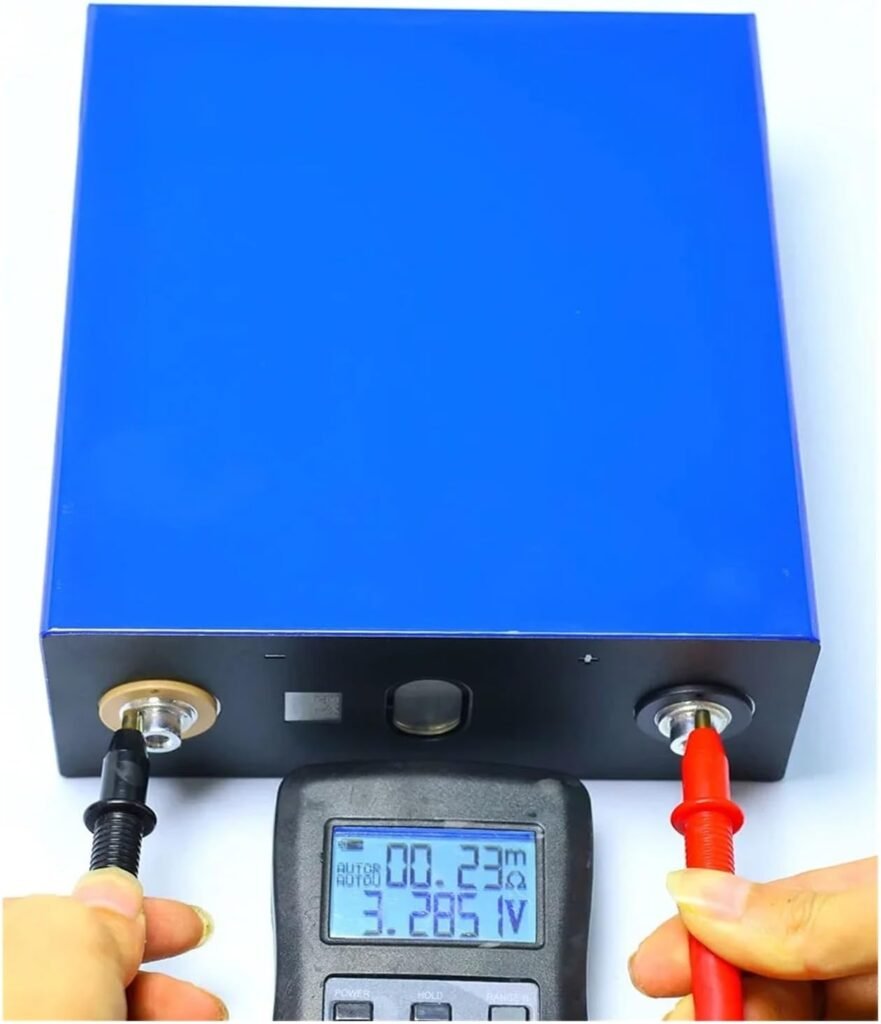
- Ask for datasheets: We prefer detailed datasheets that list charge/discharge specs, maximum continuous currents, internal resistance, recommended voltages, and temperature ranges.
- Request cycle testing details: If the seller claims >10,000 cycles, we ask under what conditions that was measured (DoD, charge/discharge rate, temperature).
- Warranty terms: Confirm warranty length, capacity retention thresholds, and what is covered (manufacturing defects, capacity fade, etc.). Keep purchase documentation.
We recommend running initial acceptance tests (capacity, internal resistance) and logging results to compare against the warranty window.
Cost and value
We think about total cost of ownership, not just purchase price.
- Upfront cost: LiFePO4 cells typically cost more than lead-acid but less than some high-end chemistries, and buying in bulk (64 pcs) can give better per-cell pricing.
- Installation and BMS costs: Remember to budget for BMS, fuses, busbars, wiring, chargers, and professional labor if needed.
- Lifecycle value: High cycle life and better usable capacity often give LiFePO4 a lower cost per usable kWh over time.
We factor installation and ancillary component costs into our purchase decision.
Frequently asked questions (FAQ)
We address common questions we’ve seen for projects like this.
- Q: Can we mix these cells with other LiFePO4 cells?
A: We don’t recommend mixing different batches or brands unless their internal characteristics are closely matched and they are properly matched and balanced before assembly. - Q: How many of these cells make a 48 V system?
A: For nominal 51.2 V you need 16 cells in series (16S). If you want parallel capacity, add parallel strings. - Q: Do we need a BMS for each parallel string?
A: A single BMS that supports the series count and overall current can manage a multi-parallel pack, but many builders use a BMS per string for large banks to localize problems and simplify balancing. - Q: Is it safe to use these in a marine environment?
A: Yes, LiFePO4 is a good choice for marine use due to safety. Still, install with corrosion-resistant hardware, proper enclosures, and a marine-grade electrical design.
We suggest contacting the seller for clarification on any unanswered technical specs before final assembly.
Pros and cons summary
We like to summarize the main advantages and limitations succinctly.
Pros:
- High capacity: 340 Ah per cell gives substantial energy in compact stacks.
- Long cycle life: Manufacturer claims >10,000 cycles after testing.
- LiFePO4 safety: Thermally stable and safer than many other lithium chemistries.
- Modular: Easy to build 12V/24V/48V systems from cells.
- Fast charging support: Helps when recharge time is limited.
Cons:
- Upfront cost and additional BMS/installation complexity.
- Need to verify maximum charge/discharge currents and exact recommended voltage profile.
- Mechanical mounting and wiring require careful planning for safety and performance.
- Manufacturer-supplied specs should be confirmed with datasheet; “fast charging” and “>10,000 cycles” claims need context (DoD, rates, temperature).
We recommend balancing enthusiasm for the specs with practical confirmation of the detailed technical data.
Final recommendations and buying tips
We would purchase these cells if we want a modular, high-capacity LiFePO4 solution for a DIY caravan, marine, or solar energy system and if we are prepared to invest time in proper assembly and BMS selection. Before buying, we suggest:
- Request the full datasheet and test reports that back up cycle life and charge/discharge limits.
- Plan the system voltage and number of parallel strings before buying so you can estimate BMS and wiring requirements.
- Budget for high-quality BMS, balancers, fuses, and insulation hardware.
- If using the 64-cell pack, plan the layout in the vehicle or boat to distribute weight and allow access for maintenance.
- If unsure about design or safety for high-current systems, consult a qualified battery installer or electrician.
We see the 3.2V 340Ah LiFePO4 cell as a strong foundation for durable, high-capacity DIY battery systems when paired with appropriate electronics and responsible installation practices.
Disclosure: As an Amazon Associate, I earn from qualifying purchases.