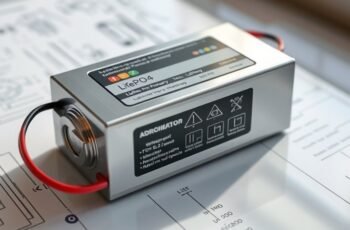
Like the quiet hum beneath a seemingly stable system, the hidden vulnerabilities of LiFePO4 batteries merit careful examination. While they offer safety and longevity, numerous technical challenges can compromise their performance and safety. Understanding these issues is essential for making informed decisions, especially as their widespread use expands. The complexities behind their limitations and failures are nuanced, prompting us to explore the specific risks and underlying causes that could impact their reliability over time.
Key Takeaways
- Safety risks include thermal runaway, fire hazards, and toxic gas release due to internal faults or damage.
- Limited energy density compared to other chemistries affects overall capacity and performance.
- Capacity degradation occurs over time from cycling, temperature fluctuations, and environmental exposure.
- Thermal management is critical, as high or low temperatures impair efficiency and accelerate aging.
- Manufacturing defects and poor quality control can lead to safety issues and reduced battery lifespan.
What Are the Main Safety Risks of LiFePO4 Batteries?
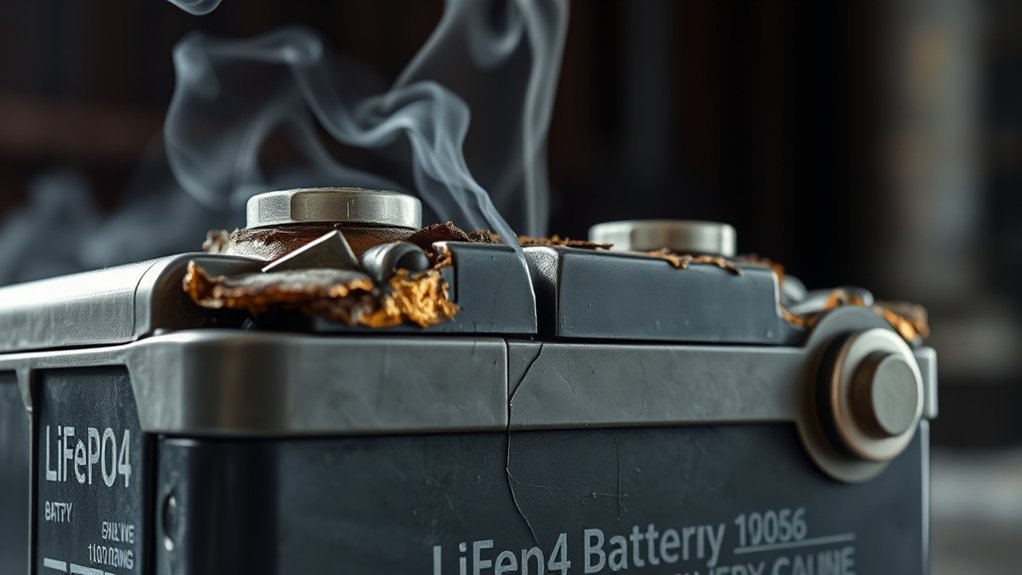
Although lithium iron phosphate (LiFePO4) batteries are generally considered safer than other lithium-ion chemistries, they still pose notable safety risks that must be understood. The primary concerns involve thermal stability and potential for internal short circuits, which can lead to thermal runaway under certain conditions. Ensuring strict manufacturing standards reduces defect risks, but improper handling or damage can still cause fires or release toxic gases. Additionally, battery recycling practices are critical; improper disposal may result in environmental hazards or exposure to residual chemicals. While LiFePO4 cells are less prone to overheating, safety protocols must be maintained throughout their lifecycle, from production to disposal. Addressing these risks involves adherence to rigorous safety standards and responsible recycling procedures to minimize hazards.
Why Do LiFePO4 Batteries Have Lower Energy Density?
LiFePO4 batteries have lower energy density primarily because of their distinct chemical and structural properties, which limit the amount of energy stored per unit volume or weight. The phosphate-based cathode provides excellent thermal stability but results in a lower voltage and reduced energy capacity compared to other lithium-ion chemistries. Manufacturing standards influence cell design, often prioritizing safety and longevity over energy density, further constraining capacity. Additionally, sustainable practices like battery recycling emphasize the importance of maintaining efficient, eco-friendly manufacturing processes that do not compromise energy density. While these standards improve safety and durability, they inherently restrict the potential energy storage capabilities, making LiFePO4 less dense relative to alternatives like NMC or LCO batteries.
How Do Temperature Fluctuations Affect LiFePO4 Performance?
Temperature fluctuations directly influence LiFePO4 battery capacity, often causing performance drops in extreme conditions. These variations also increase risks during charging and discharging cycles, potentially leading to safety concerns or reduced lifespan. Understanding these effects is essential for optimizing battery management systems and ensuring reliable operation.
Temperature Impact on Capacity
Fluctuations in temperature considerably influence the capacity and performance of LiFePO4 batteries, as they directly impact the electrochemical processes within the cells. Temperature stability is vital for maintaining capacity retention over the battery’s lifespan. At elevated temperatures, the chemical reactions accelerate, increasing capacity temporarily but risking long-term degradation due to thermal stress. Conversely, low temperatures slow ion mobility, reducing capacity and overall efficiency. Maintaining a narrow temperature range guarantees ideal electrochemical activity, preserving capacity and prolonging battery life. Proper thermal management systems are necessary to mitigate capacity loss caused by external temperature fluctuations. Ultimately, understanding and controlling temperature impacts allow for improved capacity retention, guaranteeing reliable performance and extending the operational lifespan of LiFePO4 batteries.
Charging and Discharging Risks
Although most users focus on capacity and lifespan, the charging and discharging processes are profoundly affected by temperature changes, which can introduce various risks. Elevated temperatures accelerate degradation, increasing the risk of thermal runaway, while low temperatures impair ion mobility, reducing efficiency. These fluctuations can compromise safety and battery performance, emphasizing the need for strict manufacturing standards to mitigate such effects. Proper thermal management not only safeguards the battery’s integrity but also influences the sustainability of battery recycling efforts, as thermal stress accelerates material deterioration. Understanding how temperature impacts LiFePO4 during charge cycles is vital for optimizing lifespan and safety, ensuring the batteries meet industry standards, and supporting environmentally responsible disposal and recycling practices.
What Causes Capacity Loss in LiFePO4 Batteries Over Time?
Capacity loss in LiFePO4 batteries over time primarily results from charge cycle degradation and temperature-related stress on the cells. Repeated charge and discharge cycles gradually diminish active material, while temperature fluctuations accelerate chemical and structural changes within the electrodes. Understanding these mechanisms helps us better predict battery lifespan and optimize usage conditions.
Charge Cycle Degradation
Charge cycle degradation in LiFePO4 batteries primarily results from the gradual breakdown of electrode materials and the formation of solid electrolyte interphase (SEI) layers during repeated charging and discharging. This process diminishes capacity by impairing ion mobility and increasing internal resistance. The table below summarizes key factors influencing degradation:
| Factor | Effect | Mitigation Strategy |
|---|---|---|
| Electrode material wear | Capacity loss over cycles | Material improvements |
| SEI layer formation | Increased resistance and inefficiency | Optimized electrolyte composition |
| Depth of discharge | Accelerates degradation | Controlled cycling |
Understanding these mechanisms informs strategies to extend battery lifespan, reduce environmental impact, and promote efficient battery recycling efforts.
Temperature Effects on Cells
How does temperature influence the long-term performance of LiFePO4 batteries? Elevated or fluctuating temperatures accelerate capacity loss through increased internal resistance and electrolyte degradation. This impacts cycle life and efficiency, making strict adherence to manufacturing standards crucial. Additionally, high temperatures can hinder effective battery recycling processes, as thermal stress damages cell integrity. Conversely, low temperatures reduce chemical activity, leading to diminished capacity and power output. Over time, these thermal effects cause irreversible changes in electrode materials, contributing to capacity fade. Proper thermal management is necessary to optimize lifespan, maintain safety, and guarantee consistent performance. Recognizing these temperature-induced challenges highlights the importance of controlled operating environments and manufacturing protocols designed to mitigate temperature-related degradation.
Are There Risks of Fire or Explosion With Lifepo4 Batteries?
While LiFePO4 batteries are generally considered safer than other lithium-ion chemistries, they are not entirely free from the risk of fire or explosion under certain conditions. These risks primarily arise from thermal runaway, which can occur if the battery is damaged, improperly charged, or exposed to high temperatures. Although their lower lithium content reduces the likelihood of catastrophic failure, incidents still happen, especially during battery recycling or misuse. Proper handling and adherence to safety protocols are essential to mitigate these risks. Additionally, manufacturing defects or internal short circuits can ignite the electrolyte, leading to fire. While less prone to explosion than other chemistries, understanding these vulnerabilities helps guarantee safe storage, disposal, and use of LiFePO4 batteries.
Why Is Initial Cost a Concern for LiFePO4 Battery Users?
The higher initial cost of LiFePO4 batteries often poses a significant barrier for consumers and businesses considering their adoption. These cost concerns primarily stem from the substantial upfront investment required, despite their long-term benefits.
- Capital Expenditure: The higher purchase price can strain budgets, especially for large-scale applications.
- Payback Period: Extended timelines for return on investment may deter short-term planning.
- Budget Allocation: Allocating funds for more affordable alternatives might seem more practical initially, despite potentially higher operational costs later.
While LiFePO4 batteries offer longevity and safety advantages, their elevated initial investment remains a key factor influencing decision-making, especially where upfront affordability takes precedence over long-term savings.
How Do Charging and Discharging Practices Impact LiFePO4 Longevity?
Charging and discharging practices directly influence the lifespan of LiFePO4 batteries, as improper methods can accelerate capacity loss and degrade cell performance. Overcharging beyond the recommended voltage or discharging below the safe cutoff can cause irreversible damage, reducing cycle life. Consistent adherence to proper charge rates and voltage limits aligns with manufacturing standards, ensuring peak performance over time. Additionally, efficient battery recycling practices are critical for minimizing environmental impact and preserving raw materials, aligning with sustainable lifecycle management. Poor practices not only diminish capacity but can also lead to increased degradation of internal components, impacting overall longevity. Maintaining strict charging protocols and proper discharge cycles, supported by high manufacturing standards, is essential for maximizing the longevity of LiFePO4 batteries.
What Are Common Manufacturing Defects or Quality Issues?
Manufacturing defects and quality issues can considerably undermine the reliability and performance of LiFePO4 batteries. Inconsistent manufacturing processes often lead to variations in manufacturing consistency, causing uneven cell capacities or internal defects. Poor quality assurance can result in compromised safety and reduced lifespan. Common defects include:
- Cell Imbalances – Variations in electrode material quality can cause uneven charge distribution, impacting overall efficiency.
- Separator Failures – Defective separators may lead to short circuits or thermal runaway, jeopardizing safety.
- Inconsistent Welding – Poor welds in connections can cause increased resistance or internal faults, affecting durability.
Addressing these issues requires stringent quality assurance protocols and meticulous control over manufacturing processes to guarantee consistent, high-quality batteries.
How Do Aging and Environmental Factors Accelerate Degradation?
Temperature fluctuations can induce thermal stress, accelerating chemical degradation within the battery cells. Humidity promotes corrosion of internal components, compromising structural integrity and performance. Additionally, increasing cycle counts lead to cumulative capacity loss, with environmental factors magnifying these effects over time.
Temperature Fluctuations Impact
When temperature fluctuations occur, they can considerably accelerate the degradation of LiFePO4 batteries by inducing physical and chemical stresses within the cell. These stresses compromise the battery’s temperature stability and undermine thermal management systems, leading to faster capacity loss.
Key effects include:
- Electrode Material Degradation: Repeated expansion and contraction cause microcracks, reducing electrode integrity.
- Electrolyte Breakdown: Rapid temperature changes accelerate electrolyte decomposition, increasing internal resistance.
- Increased Degradation Rate: Fluctuations hinder stable ion flow, exacerbating capacity fade over time.
Effective thermal management is essential to mitigate these impacts, maintaining consistent temperature conditions and prolonging battery lifespan. Proper temperature stability minimizes stress, ensuring ideal performance and reducing premature aging.
Humidity and Corrosion
Environmental conditions such as humidity considerably influence the aging process of LiFePO4 batteries by promoting corrosion and material degradation. High humidity levels facilitate moisture ingress, which accelerates the formation of conductive pathways on internal components, undermining cell integrity. This corrosion can compromise the battery’s safety and lifespan, increasing the likelihood of failure. Over time, moisture exposure complicates battery recycling efforts, as corroded materials are harder to process and reclaim. Reputable manufacturers typically incorporate protective sealing and moisture-resistant designs to mitigate these effects, reinforcing their reputation. Conversely, poor environmental controls can lead to premature degradation, diminishing performance and increasing costs for end-users. Understanding how humidity accelerates aging underscores the importance of proper storage and handling to preserve battery health and ensure reliable recycling.
Cycle Count Effects
Cycle count effects play a critical role in the degradation of LiFePO4 batteries, as each charge-discharge cycle introduces stress that gradually diminishes capacity and structural integrity. Repeated cycling causes electrode material fatigue, leading to reduced energy storage efficiency over time. Aging processes accelerate with environmental factors such as temperature fluctuations, which influence degradation rates. Additionally, manufacturing standards impact cycle longevity, emphasizing the importance of consistent quality control. Proper battery recycling practices can mitigate long-term environmental impacts but do not halt cycle-related wear. To optimize lifespan, understanding these effects enables better design, usage, and disposal strategies. Specifically, monitoring cycle counts helps predict capacity loss, guiding maintenance and replacement schedules that align with the battery’s true health.
What Troubleshooting Steps Can Improve LiFePO4 Battery Reliability?
To enhance the reliability of LiFePO4 batteries, systematic troubleshooting is essential for identifying and addressing underlying issues. Regular voltage and capacity testing can detect early signs of degradation. Monitoring temperature during operation prevents thermal stress that compromises cell integrity. Ensuring proper balance through equalization prevents overcharging or deep discharging, which impact longevity. When issues arise, exploring alternative chemistries or battery recycling options helps sustain performance and sustainability.
| Step | Purpose | Tools Needed |
|---|---|---|
| Voltage & capacity check | Detect early signs of degradation | Multimeter, capacity tester |
| Temperature monitoring | Prevent thermal stress | Infrared thermometer |
| Cell balancing | Maintain uniform charge levels | Battery management system (BMS) |
Proactive troubleshooting optimizes performance and reduces long-term failure risks.
Frequently Asked Questions
Can Lifepo4 Batteries Be Recycled Safely and Effectively?
We believe Lifepo4 batteries can be recycled safely and effectively through specialized recycling processes, which minimize environmental impact by recovering valuable materials. These methods guarantee sustainability while reducing hazardous waste, supporting eco-friendly energy storage solutions.
How Does Depth of Discharge Influence Lifepo4 Battery Lifespan?
We observe that deeper depth of discharge accelerates cycle degradation, increasing discharge impact, which shortens Lifepo4 battery lifespan. Properly managing depth cycling minimizes wear, optimizing longevity and performance through controlled discharge levels.
Are There Compatibility Issues With Different Battery Management Systems?
Battery compatibility with management systems can vary; mismatched systems may cause improper balancing or safety issues. We carefully analyze management system specifications to guarantee compatibility, preventing operational failures and extending Lifepo4 battery lifespan through optimized management.
What Are the Common Signs Indicating a Lifepo4 Battery Needs Replacement?
We notice a Lifepo4 battery needs replacement when its capacity drops markedly, like in a recent case where reduced runtime compromised charging safety. Typically, declining capacity and inconsistent charging signals are key signs.
How Does Cycling Frequency Affect Battery Degradation?
Cycling frequency impacts battery degradation considerably; frequent cycling accelerates capacity loss, especially with inconsistent charge patterns. Consistent, moderate cycling preserves Lifepo4 battery health, while irregular patterns and excessive cycles hasten degradation, emphasizing the importance of balanced cycling practices.
Conclusion
In summary, LiFePO4 batteries offer safety and longevity, but their vulnerabilities—like thermal runaway risks and capacity loss—necessitate careful management. Significantly, environmental factors can accelerate degradation, with temperature fluctuations reducing lifespan by up to 50%. Understanding these issues allows us to optimize performance through proper maintenance and safety protocols. Staying vigilant ensures we maximize their benefits while minimizing risks, making informed decisions critical for reliable energy storage solutions.