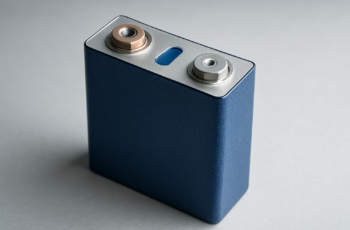
We recognize that selecting the right battery involves understanding its core advantages. LiFePO4 batteries stand out due to their safety, durability, thermal stability, and eco-friendliness. These features make them suitable for demanding applications, offering long-term value and reduced risks. Exploring the specific benefits and how they compare to traditional options can help you make an informed decision for your energy needs. Let’s examine what makes LiFePO4 a compelling choice.
Key Takeaways
- Safer chemical stability reduces fire risk and prevents thermal runaway during overcharge, short circuits, or damage.
- Longer lifespan with over 2,000 charge cycles ensures durable, reliable performance over time.
- Excellent thermal stability minimizes overheating and extends battery life in demanding environments.
- Eco-friendly materials and recyclability support sustainable energy solutions and reduce environmental impact.
- Ideal for renewable energy, electric vehicles, and portable devices due to high safety, efficiency, and long-term cost savings.
The Safety Advantages of LiFePO4 Batteries
Although all lithium-ion batteries pose some safety risks, LiFePO4 batteries considerably reduce these hazards due to their inherent chemical stability. Their stable chemistry results in a markedly lower fire hazard, even under stress or damage. Unlike other lithium chemistries, LiFePO4’s robust chemical stability prevents thermal runaway, a primary cause of battery fires. This stability minimizes the risk of combustion during overcharge, short circuits, or physical damage. Additionally, the non-toxic and non-flammable nature of the electrolyte further enhances safety. Overall, LiFePO4’s inherent chemical stability provides a safer energy storage solution, making them a reliable choice for applications where safety and fire hazard mitigation are paramount.
How LiFePO4 Batteries Outlast Traditional Lithium-Ion Options
LiFePO4 batteries outlast traditional lithium-ion options primarily due to their superior chemical stability and structural integrity, which substantially reduce degradation over time. This enhanced stability leads to a longer battery lifespan, often exceeding 2,000 charge cycles with minimal capacity loss. While their energy density is slightly lower than other lithium-ion chemistries, it remains sufficient for most applications, ensuring consistent performance over extended periods. The robust lattice structure of LiFePO4 prevents cathode material breakdown, maintaining electrochemical performance and reducing capacity fade. Consequently, these batteries sustain higher cycle counts, translating into reduced replacement frequency and lower total cost of ownership. Overall, LiFePO4’s combination of durability and reliable energy retention makes it a superior choice for longevity-focused energy storage solutions.
The Thermal Stability Benefits of LiFePO4 Technology
The inherent thermal stability of LiFePO4 chemistry greatly enhances the safety and reliability of energy storage systems. Its superior heat resistance minimizes the risk of thermal runaway, a critical safety concern in battery applications. LiFePO4 batteries exhibit excellent thermal regulation, maintaining stable temperatures even under high load or external heat exposure. This stability results from their robust crystal structure, which resists decomposition at elevated temperatures. Consequently, these batteries are less prone to overheating, swelling, or catching fire, making them ideal for demanding environments. The heat resistance of LiFePO4 ensures consistent performance, extends lifespan, and reduces the need for complex cooling systems. Overall, the thermal stability benefits of LiFePO4 technology substantially contribute to safer, more dependable energy storage solutions.
Why LiFePO4 Batteries Are Eco-Friendly and Cost-Effective
Because they utilize abundant and non-toxic materials, LiFePO4 batteries are inherently more environmentally friendly than many other lithium-ion chemistries. Their reduced environmental impact stems from safer chemical composition, which minimizes toxic waste during manufacturing and disposal. Recycling initiatives for LiFePO4 batteries are advancing, facilitating efficient recovery of valuable materials and reducing landfill accumulation. Additionally, their longer lifespan decreases replacement frequency, further lowering environmental footprint and lifecycle costs. The stable chemistry guarantees fewer safety hazards, decreasing the risk of environmental contamination from leaks or fires. Overall, these factors make LiFePO4 batteries a cost-effective, eco-conscious choice, supporting sustainable energy solutions with minimized ecological consequences. Their combination of safety, longevity, and recyclability underscores their role in reducing environmental impact.
Key Applications That Benefit Most From Lifepo4’s Features
Renewable energy systems and electric vehicles stand to gain considerably from the unique features of LiFePO4 batteries. Their high cycle life, thermal stability, and safety profile make them ideal for large-scale energy storage solutions, enhancing renewable energy integration and grid stability. In electric vehicles, LiFePO4’s consistent power output and rapid charge capabilities enhance performance and longevity. Additionally, portable devices benefit from their lightweight design and stable voltage, ensuring reliable operation over extended periods. The inherent safety of LiFePO4 prevents thermal runaway, making them suitable for applications requiring dependable, long-term power. Overall, these features position LiFePO4 batteries as the best choice for critical applications demanding durability, safety, and efficiency in renewable energy and portable device sectors.
Comparing LiFePO4 to Other Battery Types: Which Is Right for You?
When choosing a battery type, understanding the key differences between LiFePO4 and other options like lithium-ion, lead-acid, and nickel-based batteries is essential to making an informed decision. LiFePO4 batteries offer superior battery longevity, with more charge cycles and less capacity degradation over time compared to lead-acid and nickel-based alternatives. They also excel in charging efficiency, enabling faster and more complete recharges while reducing energy loss during the process. Unlike traditional lead-acid batteries, LiFePO4 maintains stable performance across a wide temperature range, enhancing reliability. While lithium-ion batteries may have comparable energy density, LiFePO4’s safety profile and longer lifespan often make it the most suitable choice for demanding applications. Evaluating these factors helps determine the best battery type for your specific needs.
Understanding the Long-Term Savings With Lifepo4 Batteries
Long-term cost savings with LiFePO4 batteries stem from their durability and high cycle life, which reduce the frequency and expense of replacements over time. This advantage directly impacts cost analysis, as fewer replacements lower overall expenditure. Market trends show increasing adoption due to their longevity and reliability, contributing to long-term affordability. The table below compares initial investment and lifecycle costs:
| Aspect | Traditional Batteries | LiFePO4 Batteries |
|---|---|---|
| Initial Cost | Lower | Higher |
| Replacement Frequency | Higher | Considerably Lower |
| Total Cost Over Time | Higher | Lower |
| Market Adoption | Slower | Accelerating |
These factors demonstrate that, despite higher upfront costs, LiFePO4 batteries offer substantial savings and stability over their lifecycle.
Frequently Asked Questions
Are Lifepo4 Batteries Suitable for High-Temperature Environments?
Lifepo4 batteries handle high temperatures well due to their thermal stability, making them suitable for such environments. Additionally, their lower environmental impact compared to other chemistries makes them a sustainable choice for high-temperature applications.
How Do Lifepo4 Batteries Perform in Extreme Cold Conditions?
We find Lifepo4 batteries exhibit moderate temperature resilience, maintaining reasonable cold weather performance. While they perform reliably in cold conditions, extreme cold may slightly reduce capacity and efficiency, requiring appropriate thermal management for ideal operation.
What Is the Charging Time for a Typical Lifepo4 Battery?
We typically see Lifepo4 batteries charging in about 3 to 4 hours, depending on battery capacity and charging efficiency. This precise timing guarantees peak performance without risking overheating or damage, maintaining consistent, reliable power output.
Can Lifepo4 Batteries Be Recycled Easily?
We can recycle LiFePO4 batteries through established battery recycling processes, substantially reducing environmental impact. Their chemical stability makes recycling more straightforward than other lithium-ion types, promoting sustainability and minimizing hazardous waste discharge from improper disposal.
What Are the Maintenance Requirements for Lifepo4 Batteries?
We find Lifepo4 batteries require minimal maintenance, with infrequent checks on voltage and temperature to optimize battery lifespan. Their stable chemistry reduces the need for frequent maintenance, making them reliable for long-term, efficient energy storage systems.
Conclusion
In conclusion, LiFePO4 batteries stand out with over 2,000 charge cycles, offering exceptional longevity and safety. Their thermal stability minimizes risks at high temperatures, making them ideal for demanding applications. Plus, their environmentally friendly composition supports sustainable energy solutions. With their durability and safety advantages, LiFePO4 batteries are increasingly the preferred choice for long-term, cost-effective energy storage—proving that innovation in battery technology truly benefits both users and the planet.