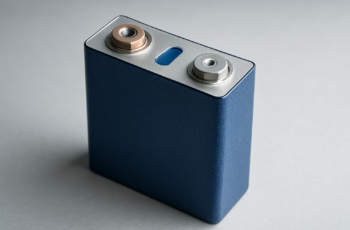
Did you know that LiFePO4 batteries inherently resist thermal runaway, making them safer than many traditional lithium-ion types? This characteristic, combined with their extended cycle life and thermal stability, prompts a closer look at whether they truly outperform other options. While their safety benefits are clear, understanding how they compare in cost, energy density, and practical application can influence your decision—so, let’s examine what sets these batteries apart.
Key Takeaways
- LiFePO4 batteries offer longer cycle life and enhanced safety compared to many other lithium-ion chemistries.
- They have superior thermal stability, reducing risks of thermal runaway and fires.
- LiFePO4 batteries are environmentally friendly and easier to recycle.
- They perform reliably in a wide temperature range, ideal for various applications.
- Despite higher initial costs, their durability lowers long-term maintenance expenses.
What Are LiFePO4 Batteries and How Do They Work?
LiFePO4 batteries, also known as lithium iron phosphate batteries, are a type of rechargeable lithium-ion battery distinguished by their cathode chemistry. Their unique chemistry offers enhanced thermal stability and safety, reducing risks of thermal runaway. During manufacturing processes, careful control of electrode materials guarantees consistent performance and longevity. The cathode’s phosphate structure contributes to the battery’s stability and cycle life. Additionally, LiFePO4 batteries are more environmentally friendly, supporting sustainable practices like battery recycling, which recovers valuable materials for reuse. This recycling process helps minimize waste and reduce reliance on raw material extraction. Overall, their chemistry and manufacturing precision underpin their durability, safety, and eco-conscious benefits, making LiFePO4 batteries a compelling choice in energy storage solutions.
What Are the Main Advantages of LiFePO4 Batteries?
LiFePO4 batteries offer significant advantages in regards to longevity, safety, and maintenance requirements. Their longer cycle life reduces replacement frequency, while built-in safety features minimize risks of thermal runaway. Additionally, their lower maintenance needs make them a reliable choice for diverse applications.
Longer Cycle Life
Because of their chemical stability, these batteries typically outperform other lithium-ion chemistries regarding durability. LiFePO4 batteries offer a markedly longer cycle life—often exceeding 2,000 charge cycles—reducing the frequency of replacements and waste. This durability enhances their overall environmental impact, as fewer batteries need disposal or recycling over time. Additionally, their stable chemistry allows for easier, safer battery recycling processes, minimizing hazardous waste. The extended cycle life contributes to lower lifecycle costs and less environmental strain compared to alternatives, making them a more sustainable choice. This durability not only supports long-term energy storage solutions but also aligns with eco-conscious practices, emphasizing the importance of recycling and reducing ecological footprints associated with battery production and disposal.
Enhanced Safety Features
The inherent chemical stability of LiFePO4 batteries directly contributes to their enhanced safety profile, making thermal runaway and fires extremely unlikely. Unlike other lithium-ion chemistries, their stable crystal structure prevents dangerous decomposition under stress or overcharge. This stability minimizes risks during operation and reduces the likelihood of catastrophic failures. Additionally, LiFePO4 batteries are more environmentally friendly due to their safer composition and easier battery recycling processes, which mitigate environmental impact. Their durability also extends lifecycle safety, decreasing the frequency of replacements and reducing hazardous waste. Overall, these safety attributes make LiFePO4 batteries a superior choice for applications demanding reliable, secure power storage with minimized environmental footprint.
Lower Maintenance Needs
One of the key advantages of LiFePO4 batteries is their considerably lower maintenance requirements compared to other lithium-ion chemistries. Their longer battery lifespan results from stable chemistry that resists degradation over time, reducing the need for frequent replacements. Unlike other batteries, LiFePO4 systems tolerate a broader range of charging protocols without compromising performance, which simplifies maintenance routines. Proper adherence to optimized charging protocols further extends lifespan and minimizes capacity loss. Additionally, these batteries exhibit minimal self-discharge and reduced capacity fade, decreasing the need for regular monitoring and maintenance. Overall, LiFePO4 batteries offer a maintenance-efficient solution, making them ideal for applications demanding reliability with minimal upkeep.
Are There Any Drawbacks or Limitations to Using LiFePO4 Batteries?
While LiFePO4 batteries offer many benefits, they also present some limitations that warrant consideration. Their higher initial cost and temperature sensitivity can impact long-term viability, especially in extreme conditions. Additionally, their lower energy density compared to other chemistries may restrict applications requiring compact, high-capacity power sources.
Cost and Initial Investment
Although LiFePO4 batteries offer significant advantages in safety and longevity, their higher upfront costs can pose a notable barrier for consumers and businesses alike. The initial investment is often greater than traditional lead-acid or lithium-ion options, primarily due to material and manufacturing complexities. However, when evaluating total cost of ownership, factors like longer cycle life and reduced maintenance offset the initial expense. Additionally, LiFePO4 batteries are more environmentally friendly, thanks to their safer chemistry and enhanced battery recycling processes, which mitigate environmental impact. While the upfront costs may deter some, the long-term savings through durability and reduced disposal costs make them a strategic choice. Ultimately, a all-encompassing cost analysis reveals that LiFePO4 batteries can be more cost-effective over their lifespan despite higher initial investments.
Temperature Sensitivity Issues
Despite their many advantages, LiFePO4 batteries exhibit certain limitations related to temperature sensitivity. They perform ideally within specific temperature ranges, and deviations can reduce efficiency or accelerate degradation. High temperatures may cause thermal runaway risks, while low temperatures impair chemical activity, decreasing capacity and cycle life. This sensitivity impacts not only operational performance but also environmental considerations such as battery recycling, since extreme conditions can complicate disposal processes.
| Temperature Range | Effect on LiFePO4 Batteries | Environmental Impact |
|---|---|---|
| Below 0°C | Reduced capacity, slower charging | Increased recycling challenges due to degradation |
| 0–45°C | Perfect performance | Standard environmental impact |
| Above 45°C | Accelerated aging, safety risks | Higher potential for environmental hazards |
Limited Energy Density
LiFePO4 batteries are known for their safety, longevity, and stable performance, but they do have a notable limitation in their energy density. Compared to other lithium-ion chemistries, LiFePO4 cells offer a lower energy density, meaning they store less energy per unit volume or weight. This impacts applications requiring compact, lightweight power sources, especially where weight considerations are critical. The reduced energy density can lead to increased battery size and weight, which may be a disadvantage in portable or space-constrained systems. While their thermal stability and cycle life compensate in many scenarios, the limited energy density remains a key factor to take into account when evaluating LiFePO4 for energy-intensive applications. Understanding this limitation helps optimize system design and performance expectations.
How Do LiFePO4 Batteries Compare to Traditional Lithium-Ion Batteries?
LiFePO4 batteries differ profoundly from traditional lithium-ion batteries in their chemistry, performance characteristics, and safety profiles. While lithium-ion variants often utilize cobalt or nickel, LiFePO4’s cathode chemistry offers enhanced thermal stability, reducing risks of thermal runaway. This stability translates to longer cycle life and consistent performance over time. From an environmental standpoint, LiFePO4 batteries are more eco-friendly, featuring safer disposal and easier battery recycling processes, thereby minimizing environmental impact. Additionally, their lower toxicity reduces risks during manufacturing and recycling. Although LiFePO4 batteries generally have lower energy density than traditional lithium-ion batteries, their durability and safety advantages make them a compelling choice for many applications. Overall, they present a viable alternative with notable benefits in safety and environmental sustainability.
What Are the Best Use Cases for LiFePO4 Batteries?
Because of their superior safety profile and long cycle life, LiFePO4 batteries excel in applications demanding reliable, repeated charging cycles. Their stability minimizes risks during charging, making them ideal for critical systems.
- Off-grid energy storage, where longevity and safety reduce maintenance and disposal concerns, especially with battery recycling considerations.
- Solar power systems, benefiting from consistent performance with established charging protocols that preserve battery health.
- Electric vehicles, leveraging high cycle durability and thermal stability for extended use.
- Backup power for data centers and telecommunications, where reliability and safety are paramount, emphasizing proper charging protocols and end-of-life recycling processes. These use cases demonstrate LiFePO4’s suitability for demanding, safety-critical, and environmentally conscious applications.
How Do You Evaluate If LiFePO4 Is the Right Choice for You?
When considering whether LiFePO4 batteries are suitable for your needs, it’s essential to evaluate specific technical and operational factors. First, assess their longevity and cycle life, which generally surpasses other lithium-ion chemistries, reducing replacement frequency. Next, consider environmental impact—LiFePO4 batteries are more stable and less prone to thermal runaway, and their design facilitates easier battery recycling, minimizing waste. Evaluate your power requirements and whether the consistent voltage and safety features align with your application. Cost analysis is also vital; although initial investments are higher, lower maintenance and longer lifespan can offset this. Ultimately, weighing these factors helps determine if LiFePO4’s durability, eco-friendliness, and recyclability make it the right choice for your energy needs.
What Should You Know About Maintaining and Installing LiFePO4 Batteries?
Proper installation and maintenance are essential to guaranteeing the best performance and safety of LiFePO4 batteries. Correct procedures optimize lifespan and efficiency while minimizing safety risks.
We recommend the following:
- Adhere to specific charging protocols to prevent overcharging or deep discharging, which can degrade battery health.
- Use compatible chargers with appropriate voltage and current settings for LiFePO4 chemistry.
- Regularly monitor voltage and temperature to detect early signs of imbalance or thermal issues.
- Follow environmentally responsible recycling methods when decommissioning batteries, preventing harmful waste and reclaiming valuable materials.
Understanding these aspects guarantees longevity and safety, while also aligning with sustainable practices like recycling methods. Proper handling safeguards both users and the environment, maximizing the benefits of LiFePO4 technology.
Frequently Asked Questions
How Long Do Lifepo4 Batteries Typically Last?
Lifepo4 batteries typically last around 2,000 to 3,000 charging cycles, maintaining most of their capacity. Their durability and stable chemistry guarantee a lifespan of 8-10 years, making them a reliable choice for long-term use.
Are Lifepo4 Batteries Environmentally Friendly?
We find LiFePO4 batteries environmentally friendly due to their stable battery chemistry, which reduces toxic waste and enhances safety. Their longer lifespan also minimizes environmental impact by decreasing replacement frequency, making them a sustainable energy storage option.
Can Lifepo4 Batteries Be Recycled?
Yes, LiFePO4 batteries can be recycled through specialized recycling processes that recover valuable materials, reducing environmental impact. Proper battery disposal guarantees safe recycling, preventing harmful chemical leaks and promoting sustainability in battery lifecycle management.
What Is the Cost Difference Compared to Other Batteries?
Like a carefully balanced equation, Lifepo4 batteries cost more upfront than traditional lithium-ion ones due to higher manufacturing costs, but their superior battery safety and longevity can offset initial expenses over time, making them a smart investment.
How Do Temperature Extremes Affect Lifepo4 Performance?
We find that Lifepo4 batteries exhibit strong thermal stability and temperature resilience, maintaining performance in extreme conditions. However, high temperatures can accelerate degradation, while cold reduces capacity, emphasizing the importance of proper thermal management for peak lifespan.
Conclusion
In summary, LiFePO4 batteries stand out as a powerhouse of safety, longevity, and environmental sustainability, making them an unparalleled choice for demanding energy needs. While they may come with a higher upfront cost, their durability and stability often outweigh initial investments, transforming energy storage into a fortress of reliability. For those seeking a future-proof solution, LiFePO4 batteries are not just an option—they’re a game-changer in energy technology.