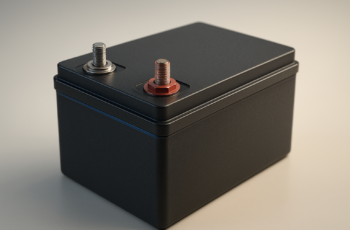
As we explore LiFePO4 batteries for beginners, understanding their core advantages and how they differ from other lithium options is crucial. Their inherent safety, longevity, and environmental benefits make them a compelling choice, but selecting the right system requires careful analysis of capacity, voltage, and application needs. We’ll examine these factors and more, providing the foundational knowledge necessary to confidently incorporate LiFePO4 technology into your projects—yet, certain nuances still warrant closer attention.
Key Takeaways
- LiFePO4 batteries are safe, stable, and environmentally friendly, making them ideal for beginners seeking reliable energy storage.
- They have a long cycle life and consistent performance, reducing replacement costs over time.
- Proper matching of capacity, voltage, and charger ensures safe and optimal operation.
- Suitable for various applications like solar systems, camping, and emergency power.
- Follow safety guidelines and recycling procedures to maximize lifespan and minimize environmental impact.
What Are LiFePO4 Batteries and How Do They Work?
LiFePO4 batteries, also known as lithium iron phosphate batteries, are a type of rechargeable lithium-ion battery distinguished by their chemical composition and performance characteristics. Their chemical composition, featuring lithium iron phosphate as the cathode material, provides enhanced thermal stability and safety. This stability reduces risks associated with thermal runaway, making them more reliable for various applications. Additionally, the stable chemical structure facilitates efficient battery recycling, minimizing environmental impact and recovering valuable materials. The electrochemical properties of LiFePO4 enable consistent discharge rates and long cycle life, which are critical for durability. Understanding the chemical composition helps clarify why these batteries are favored for their safety, longevity, and sustainability, emphasizing their role in advancing sustainable energy storage solutions.
Benefits of Using LiFePO4 Batteries for Beginners
Because of their inherent safety features and long lifespan, LiFePO4 batteries offer clear benefits for beginners venturing into rechargeable energy sources. Their stable chemistry minimizes risks of thermal runaway, ensuring safer operation. Additionally, their extended cycle life reduces the frequency of replacement, lowering long-term costs. From an environmental perspective, LiFePO4 batteries are more sustainable; they are easier to recycle due to the non-toxic materials used, mitigating environmental impact. This simplifies battery recycling processes and reduces hazardous waste concerns. For beginners, these advantages translate into a more reliable, safer, and eco-friendly energy storage solution. Overall, LiFePO4 batteries provide a technically sound choice that balances safety, durability, and environmental responsibility, making them an ideal entry point into renewable energy systems.
Key Differences Between LiFePO4 and Other Lithium Batteries
While all lithium batteries share common characteristics, significant differences exist in their chemistry, performance, and applications. LiFePO4 batteries stand out due to their superior battery longevity, often surpassing other lithium types like NMC or LCO, with more charge cycles and stable capacity over time. Their chemical stability also results in a lower risk of thermal runaway, making them safer. Additionally, LiFePO4 batteries have a reduced environmental impact, as they contain fewer toxic materials and are more environmentally friendly to manufacture and dispose of. This stability and eco-friendliness make them ideal for sustainable, long-term energy storage solutions. Understanding these key differences helps us recognize why LiFePO4 batteries are increasingly preferred for applications demanding durability and minimal environmental footprint.
How to Choose the Right LiFePO4 Battery for Your Needs
Selecting the appropriate LiFePO4 battery requires careful consideration of your specific application requirements, including power needs, size constraints, and operational environment. We must evaluate the battery’s capacity and discharge rate to guarantee it meets demand without overstressing the system. Compatibility with your charger is critical; using a charger designed for LiFePO4 chemistry ensures peak performance and longevity. Additionally, consider the battery’s lifecycle and the availability of battery recycling options, which impact environmental sustainability and long-term cost-effectiveness. Proper matching of charger compatibility reduces risks of overcharging or undercharging, preserving battery health. By analyzing these factors, we can select a battery that balances performance, safety, and sustainability for your unique application.
Understanding Battery Capacity and Voltage in LiFePO4 Systems
Understanding the distinction between capacity and voltage is essential for optimizing LiFePO4 system performance. Capacity determines how much energy a battery can store, while voltage influences the power delivery and compatibility with your system. Selecting the appropriate specs requires analyzing how these factors impact your application’s efficiency and longevity.
Differentiating Capacity and Voltage
Have you ever wondered what truly differentiates a battery’s capacity from its voltage? Capacity measures how much energy a LiFePO4 battery can store, typically expressed in ampere-hours (Ah) or watt-hours (Wh), indicating operational longevity. Voltage, however, refers to the electrical potential difference, usually around 3.2 to 3.3 volts per cell in LiFePO4 chemistry, determining the power output at any moment. These parameters are essential for system design and efficiency. Understanding this distinction helps optimize battery performance and lifespan. Additionally, considering capacity and voltage influences decisions about battery recycling and environmental impact, since higher capacity batteries may reduce waste by lasting longer. Accurate differentiation ensures responsible use, minimizing environmental footprint and promoting sustainable energy solutions.
Impact on System Performance
The performance of a LiFePO4 system hinges critically on both battery capacity and voltage, as these parameters directly influence energy delivery and operational efficiency. Battery chemistry determines the energy density, affecting how much power can be stored per unit volume. Higher capacity guarantees longer runtimes, while voltage impacts power output and system compatibility. Variations in voltage can lead to inefficiencies or system failures if mismatched.
| Parameter | Impact on System Performance |
|---|---|
| Capacity | Defines total energy storage, affecting runtime |
| Voltage | Influences power delivery and system efficiency |
| Energy Density | Affects size, weight, and energy storage potential |
| Battery Chemistry | Determines stability and lifespan |
| System Compatibility | Ensures guaranteed performance and longevity |
Selecting Suitable Battery Specs
Selecting the appropriate battery specifications is fundamental to optimizing a LiFePO4 system’s performance. Understanding battery capacity, measured in ampere-hours (Ah), guarantees the system can meet energy demands without excessive cycling or degradation. Voltage, typically 12V, 24V, or 48V, determines system compatibility and efficiency. Proper matching avoids overloading components and maximizes lifespan. When choosing batteries, considering the sustainability of lithium mining and end-of-life battery recycling becomes vital, as responsible sourcing reduces environmental impact. High-capacity batteries may require more intensive lithium extraction, emphasizing the need for effective recycling methods to mitigate resource depletion. By analyzing both capacity and voltage in conjunction with environmental factors, we can select batteries that balance performance with ecological responsibility.
Tips for Proper Charging and Maintenance of LiFePO4 Batteries
Proper charging and maintenance are essential for maximizing the lifespan and performance of LiFePO4 batteries. Consistent voltage regulation during charging prevents overvoltage, which can compromise cell integrity and reduce cycle life. Implementing a balanced charging process ensures uniform voltage distribution across cells, critical for peak operation. Additionally, attention to battery recycling practices helps minimize environmental impact and supports sustainable use. Regularly inspecting connections and terminals prevents corrosion and guarantees accurate voltage readings. Maintaining a stable charging environment, free from extreme temperatures, preserves battery health. Proper maintenance involves monitoring voltage levels and avoiding deep discharges that can accelerate capacity loss. By adhering to these principles, users can prolong battery life, improve safety, and guarantee reliable performance over time.
Common Applications of LiFePO4 Batteries for Beginners
We find LiFePO4 batteries particularly effective for renewable energy storage, offering stable, long-lasting performance essential for integrating solar and wind systems. They also excel in portable power solutions, providing reliable energy for off-grid and mobile applications. Understanding these applications helps beginners identify practical uses that maximize battery lifespan and efficiency.
Renewable Energy Storage
Have you considered how LiFePO4 batteries serve as reliable energy storage solutions in renewable power systems? Their stability and long cycle life make them ideal for storing energy generated from solar or wind sources. These batteries enable grid stability and energy management, especially during periods of low generation. Additionally, their eco-friendly profile supports sustainable practices like battery recycling, reducing waste and environmental impact. Addressing concerns about lithium sourcing, LiFePO4 batteries rely on more ethically and environmentally managed lithium supplies, mitigating supply chain risks. Their inherent safety, coupled with recyclability, makes them a preferred choice for large-scale renewable applications. Overall, LiFePO4 batteries offer a technically sound, sustainable, and efficient solution for renewable energy storage, supporting energy independence and grid resilience.
Portable Power Solutions
LiFePO4 batteries are increasingly popular for portable power applications due to their high energy density, safety features, and long cycle life. Their stable battery chemistry guarantees reliable performance, making them ideal for varied portable setups. They provide consistent power output, essential for sensitive electronics and high-demand devices. These batteries excel in applications like camping, emergency backup, and mobile workstations, where dependable energy sources are critical. The following table highlights key aspects:
| Application | Battery Chemistry | Power Output |
|---|---|---|
| Camping gear | Lithium iron phosphate | Steady, high current |
| Emergency kits | Safe, thermal stability | Reliable bursts |
| Mobile workstations | Long cycle life | Continuous power |
| Remote monitoring | Compact, lightweight | Consistent flow |
| Recreational vehicles | High energy density | Sustained performance |
Their combination of chemistry and power output makes LiFePO4 batteries versatile for portable needs.
Safety Tips When Handling and Installing LiFePO4 Batteries
Handling and installing LiFePO4 batteries requires strict adherence to safety protocols to prevent accidents and guarantee ideal performance. Proper precautions include using insulated tools, wearing protective gear, and ensuring correct polarity connections. We emphasize the importance of understanding battery recycling procedures to minimize environmental impact and ensure compliance with regulations. During installation, proper ventilation and temperature control are crucial to avoid thermal issues. Additionally, maintaining a well-prepared emergency plan, including access to fire suppression tools, safeguards against potential hazards like thermal runaway. Recognizing the significance of these safety measures ensures not only personal safety but also the longevity and efficiency of the battery system. By prioritizing safety, we mitigate risks and promote responsible handling of LiFePO4 batteries.
Troubleshooting Common Issues With Lifepo4 Batteries
When troubleshooting common issues with LiFePO4 batteries, it’s essential to systematically analyze the root causes to guarantee accurate resolution. Voltage irregularities, capacity loss, or overheating often signal underlying problems such as cell imbalance or improper charging. Diagnostic tools like multimeters help identify voltage discrepancies, while monitoring temperature and cycle history reveals potential degradation. Addressing these issues promptly extends battery lifespan and minimizes environmental impact, emphasizing the significance of proper battery recycling practices at end-of-life. Faulty or overused batteries, if discarded improperly, pose environmental risks; hence, understanding failure modes supports sustainable disposal. Regular maintenance and diagnostics are *vital* for preventing issues, ensuring safe operation, and promoting environmentally responsible handling of LiFePO4 batteries throughout their lifecycle.
Future Trends and Innovations in LiFePO4 Battery Technology
Emerging advances in energy storage are driving the development of more efficient and reliable LiFePO4 systems, with a focus on higher energy densities and faster charging capabilities. Safety features are also evolving, incorporating smarter management and fail-safe mechanisms to mitigate risks. Additionally, sustainable manufacturing practices are gaining importance, aiming to reduce environmental impact while maintaining performance standards.
Advanced Energy Storage Solutions
Have we fully tapped into the potential of LiFePO4 battery technology, or are we on the cusp of a new era in energy storage? Advancements in this field focus on enhancing energy density, longevity, and sustainability. Emerging solutions emphasize improved battery recycling processes to mitigate environmental impact, ensuring that used batteries can be efficiently repurposed or safely disposed of. Innovations like solid-state electrolytes and scalable modular designs promise higher performance and greater adaptability for diverse applications. Additionally, integrating advanced thermal management and smart monitoring systems optimizes efficiency and lifespan. These developments aim to reduce ecological footprints, foster circular economy principles, and address the growing demand for sustainable energy storage. As technology evolves, LiFePO4 batteries are poised to lead future energy solutions with greater environmental and operational efficiencies.
Enhanced Safety Features
Advancements in LiFePO4 battery technology are increasingly focusing on enhancing safety features to meet the demands of diverse applications. These innovations aim to prevent thermal runaway and improve fault tolerance through integrated safety mechanisms like advanced venting and thermal management systems. Additionally, the industry emphasizes battery recycling strategies to minimize environmental impact, ensuring that end-of-life batteries are safely disassembled and repurposed. Such measures not only reduce hazardous waste but also promote sustainable usage, addressing growing environmental concerns. Future trends include smart safety controls that detect and respond to abnormal conditions proactively, further reducing risks. By prioritizing safety and environmental considerations, these developments support broader adoption while aligning with responsible manufacturing and disposal practices.
Sustainable Manufacturing Practices
As the industry advances toward safer battery technologies, increasing attention is being directed toward sustainable manufacturing practices that minimize environmental impact. Incorporating eco-friendly materials is central to this shift, reducing reliance on hazardous substances and promoting resource renewal. Manufacturing efficiency also plays a critical role, as optimizing processes decreases energy consumption and waste generation. Innovations focus on scalable, low-impact methods that enhance overall sustainability without compromising performance. For LiFePO4 batteries, these practices lead to cleaner production cycles, improved lifecycle management, and reduced ecological footprints. As we pursue future trends, integrating eco-friendly materials and efficient manufacturing techniques will be essential for creating environmentally responsible battery solutions that meet growing demand while safeguarding our planet.
Frequently Asked Questions
How Long Do Lifepo4 Batteries Typically Last Before Replacement?
Lifepo4 batteries typically last 8 to 10 years, depending on usage. Proper maintenance tips, like avoiding deep discharges and maintaining ideal charge levels, can extend their lifespan and guarantee consistent performance over time.
Are Lifepo4 Batteries Environmentally Friendly and Recyclable?
Like wise stewards, we find LiFePO4 batteries environmentally friendly, thanks to a minimal toxic footprint. Their recycling process is efficient, reducing environmental impact, making them a sustainable choice for eco-conscious applications and aligning with responsible energy consumption.
Can Lifepo4 Batteries Be Used in Extreme Weather Conditions?
We find that LiFePO4 batteries exhibit strong temperature resilience and weather durability, making them suitable for extreme conditions. Their stable chemistry guarantees reliable performance across a broad temperature range, enhancing safety and longevity in harsh environments.
What Is the Cost Comparison Between Lifepo4 and Traditional Lead-Acid Batteries?
Imagine trading a penny for a gold coin—Lifepo4 batteries cost more upfront, but their longer lifespan and efficiency offset the higher price compared to lead-acid. Understanding battery chemistry and proper charging techniques makes this investment worthwhile.
How Do I Safely Dispose of or Recycle Old Lifepo4 Batteries?
We guarantee disposal safety by following battery certification guidelines, recycling old LiFePO4 batteries at certified facilities, and avoiding landfill disposal. Proper handling minimizes environmental impact and adheres to safety standards, safeguarding both people and ecosystems.
Conclusion
In conclusion, LiFePO4 batteries stand out as a safe, reliable choice for beginners venturing into renewable energy and portable power solutions. Their long cycle life—up to 2000-5000 cycles—demonstrates durability that outperforms many alternatives. As technology advances, we can expect even greater efficiency and safety features. Embracing LiFePO4 now not only supports sustainable practices but also positions us at the forefront of innovative energy storage, ensuring dependable power for years to come.