Choosing the right battery for solar energy storage is like steering through a complex maze, where each turn reveals new trade-offs and considerations. As we weigh LiFePO4 against lead-acid options, we must consider factors like lifespan, safety, cost, and environmental impact. Each choice influences system performance and sustainability, but the decision isn’t straightforward. Understanding these nuances can ultimately shape the efficiency and longevity of your solar setup—something we’ll explore in detail.
Key Takeaways
- LiFePO4 offers longer cycle life and durability, reducing long-term replacement costs for solar energy storage.
- Lead-acid batteries are cheaper initially but require more maintenance and have shorter lifespans.
- LiFePO4 is inherently safer with stable chemistry, minimizing fire risk compared to lead-acid.
- Lead-acid batteries pose environmental challenges due to toxic lead and more complex disposal.
- LiFePO4 provides higher efficiency and recyclability, supporting sustainable and eco-friendly solar systems.
What Are the Main Composition and Performance Differences Between Lifepo4 and Lead-Acid Batteries?
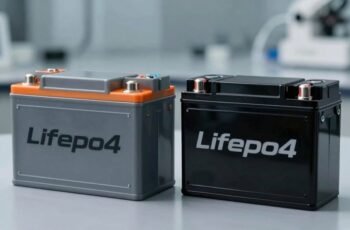
While both LiFePO4 (lithium iron phosphate) and lead-acid batteries serve as common energy storage solutions for solar systems, their fundamental compositions and performance characteristics differ markedly. LiFePO4 batteries consist of lithium iron phosphate cells, offering higher energy density and longer cycle life, which translates to better efficiency over time. Lead-acid batteries rely on lead plates and sulfuric acid, resulting in lower cycle durability and energy density. These compositional differences influence environmental impact, especially regarding battery recycling; lead-acid batteries are more widely recycled but pose significant toxicity risks, while LiFePO4 batteries are more environmentally friendly in disposal. Consequently, understanding these distinctions is essential for evaluating long-term sustainability and ecological footprint in solar energy applications.
Which Solar Battery Lasts Longer: Lifepo4 or Lead-Acid?
The longevity of solar batteries largely determines their overall value and effectiveness in energy storage systems. Lifepo4 batteries typically last 2,000 to 3,000 cycles, surpassing lead-acid batteries, which average around 500 to 1,000 cycles. This extended lifespan reduces replacement frequency, impacting battery recycling processes and lowering environmental impact over time. Consider these factors:
- Cycle Life: Lifepo4’s durability minimizes waste and promotes sustainable recycling.
- Degradation Rate: Lead-acid batteries degrade faster, increasing disposal concerns.
- Environmental Impact: Longer-lasting batteries reduce resource consumption and waste.
- Maintenance: Lifepo4 requires less maintenance, extending effective service life and environmental benefits.
Ultimately, Lifepo4 batteries offer a longer lifespan, making them more sustainable and environmentally friendly in the long run.
How Do Costs Compare Between Lithium Iron Phosphate and Lead-Acid Batteries?
When comparing costs, we focus on initial purchase prices, which tend to be higher for lithium iron phosphate (LiFePO4) batteries upfront. However, their superior longevity and reduced maintenance often translate into long-term savings compared to lead-acid options. Examining replacement and operational expenses is essential to determine the true economic value of each battery type over their service life.
Initial Purchase Price Differences
Initial purchase prices for Lithium Iron Phosphate (LiFePO4) batteries are generally higher than those for traditional lead-acid counterparts, primarily due to differences in raw materials, manufacturing processes, and technological complexity. This cost disparity reflects the advanced chemistry and precision engineering involved in LiFePO4 production. Key considerations include:
- Raw Material Costs: Lithium and phosphate compounds are more expensive than lead plates, impacting initial investment.
- Manufacturing Complexity: Higher precision assembly increases production costs for LiFePO4 batteries.
- Battery Recycling: Although LiFePO4 batteries are more environmentally friendly and easier to recycle, initial recycling infrastructure adds to upfront costs.
- Environmental Impact: The initial higher investment is offset over time by reduced environmental footprint and lifecycle benefits, making LiFePO4 a more sustainable option despite higher initial prices.
Long-Term Cost Savings
How do the long-term costs of Lithium Iron Phosphate (LiFePO4) batteries compare to those of traditional lead-acid options? While LiFePO4 batteries have a higher initial investment, their durability—often exceeding 10,000 cycles—translates into markedly lower replacement costs over time. This extended lifespan reduces total ownership expenses and offsets upfront expenses. Additionally, LiFePO4 batteries are more environmentally friendly, with easier battery recycling processes and a lower environmental impact during manufacturing and disposal. In contrast, lead-acid batteries contain hazardous materials that complicate recycling and pose environmental risks. Over the long term, the combination of reduced replacement frequency and more sustainable end-of-life management makes LiFePO4 batteries a more cost-effective and environmentally responsible choice for solar energy systems.
Maintenance and Replacement Expenses
Although lithium iron phosphate (LiFePO4) batteries typically have higher upfront costs, their maintenance and replacement expenses are considerably lower compared to lead-acid batteries. Over time, LiFePO4’s longer cycle life reduces frequency of replacements, lowering overall costs.
- Reduced maintenance: LiFePO4 batteries require minimal watering, equalization, or acid checks, unlike lead-acid batteries which need regular upkeep.
- Longer lifespan: LiFePO4 batteries often last 10+ years, decreasing the need for early replacements.
- Battery recycling and environmental impact: Lithium batteries are more recyclable, lessening environmental harm compared to lead-acid, which pose disposal challenges.
- Lower operational costs: Fewer replacements and less maintenance translate into significant long-term savings, making LiFePO4 a more sustainable option economically and environmentally.
What Are the Safety and Maintenance Considerations for Each Battery Type?
When evaluating safety and maintenance considerations for lithium iron phosphate (LiFePO4) and lead-acid batteries, it’s essential to understand their distinct chemical properties and operational behaviors. LiFePO4 batteries are inherently safer due to their stable chemistry, reducing risks of thermal runaway and fire. They require minimal maintenance, mainly periodic inspection for corrosion and terminal tightness. Lead-acid batteries, however, demand regular electrolyte level checks and equalization charging to prevent sulfation and corrosion. Regarding battery recycling, LiFePO4 batteries pose fewer environmental risks due to their non-toxic materials, whereas lead-acid batteries contain hazardous lead, necessitating proper disposal to mitigate environmental impact. Proper safety protocols and maintenance routines are vital for maximizing lifespan, ensuring user safety, and minimizing ecological consequences for both types.
Which Battery Works Best for Different Solar Power Applications?
Choosing the right battery for various solar power applications depends on specific energy demands, system size, and operational priorities. For instance, Lifepo4 batteries excel in applications requiring high cycle life and fast charging, making them suitable for off-grid and backup systems. Lead acid batteries, with proven reliability and lower upfront costs, often suit smaller or less demanding setups. Critical considerations include adherence to proper charging protocols to maximize lifespan and safety, as well as effective battery recycling practices to minimize environmental impact.
- Off-grid systems benefit from Lifepo4’s longevity and lightweight design.
- Grid-tied applications prioritize cost-effectiveness with lead acid.
- Renewable energy storage requires attention to recycling and disposal protocols.
- High-demand applications demand batteries that support rapid cycling and efficient charging.
How Do Charging and Discharging Rates Affect Your Solar System’s Efficiency?
Charging and discharging rates directly influence a solar system’s overall efficiency by determining how quickly energy can be stored or released without degrading battery performance. Higher rates enable rapid energy transfer but can accelerate battery wear, reducing lifespan and affecting long-term efficiency. Conversely, slower rates extend battery life but may limit the system’s responsiveness and energy availability. These rates also impact battery recycling and environmental impact; aggressive cycling can generate more waste over time, increasing disposal concerns. Selecting batteries with appropriate charge/discharge capabilities minimizes degradation and waste, supporting sustainability. Optimizing these rates ensures efficient energy management while mitigating environmental impacts, making it essential for both system performance and responsible battery lifecycle management.
What Factors Should You Consider When Choosing the Right Battery for Your Solar Setup?
Selecting the appropriate battery for a solar system requires careful analysis of multiple technical factors that influence performance, longevity, and overall cost-effectiveness. Key considerations include energy storage capacity, which determines how much power can be stored for use; battery lifespan, affecting long-term reliability; charge/discharge efficiency, impacting system performance; and maintenance requirements, influencing operational costs.
When evaluating options, we focus on:
- Energy Storage Capacity: Ensures sufficient power availability during low sunlight.
- Battery Lifespan: Determines long-term investment value and replacement frequency.
- Charge/Discharge Rates: Affects system efficiency and battery health.
- Cost and Maintenance: Balances initial investment against operational expenses.
Understanding these factors helps optimize system performance and maximize energy storage while minimizing costs.
Conclusion
Ultimately, selecting the right battery hinges on understanding your system’s specific needs and priorities. While upfront costs matter, investing in a LiFePO4 battery often pays off through its durability, safety, and environmental benefits—proving that “you get what you pay for.” Careful analysis of performance, longevity, and maintenance guarantees ideal energy storage, making informed choices essential for sustainable solar solutions. Prioritize long-term value to maximize your system’s efficiency and lifespan.