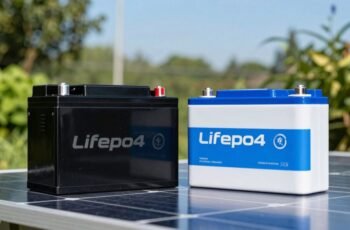
Imagine choosing between two reliable vehicles: one offers exceptional safety and stability, while the other provides greater speed and range. That’s akin to selecting between LiFePO4 and lithium-ion batteries. Both have unique advantages and limitations rooted in their chemistry and design. To make an informed decision, we need to analyze their composition, safety profiles, performance, and costs—factors that ultimately determine which battery type best fits specific applications.
Key Takeaways
- LiFePO4 batteries have greater chemical stability, reducing safety risks like thermal runaway compared to traditional lithium-ion batteries.
- They offer longer cycle life (2000-5000 cycles) and better performance under high charge/discharge rates.
- Lithium-ion batteries typically have higher energy density, enabling longer runtimes and more compact designs.
- LiFePO4 is more environmentally friendly with extended lifespan and easier recycling, lowering long-term costs.
- Lithium-ion batteries are more sensitive to temperature fluctuations, affecting safety and longevity in some applications.
What Is the Composition of LiFePO4 and Lithium-Ion Batteries?
LiFePO4 batteries and traditional lithium-ion batteries differ primarily in their cathode compositions, which substantially influence their chemical properties and performance. The battery chemistry of LiFePO4 relies on a phosphate-based cathode, providing enhanced material stability due to the robust FePO4 crystal structure. This stability reduces degradation over charge cycles, leading to longer lifespan and consistent performance. In contrast, lithium-ion batteries typically use cathodes like cobalt or nickel, which are more reactive but less stable over time. The chemical makeup of LiFePO4 offers improved thermal stability and resistance to overcharging, whereas traditional lithium-ion chemistries are more sensitive to temperature fluctuations. Understanding these distinctions in material stability helps clarify their differing behaviors and applications.
Which Battery Is Safer and Less Likely to Fail?
While both battery types have inherent safety advantages, LiFePO4 batteries are generally considered less likely to fail or pose safety risks under typical operating conditions. Their stable chemical structure enhances safety protocols, reducing thermal runaway risks associated with lithium-ion batteries. The failure rates for LiFePO4 are markedly lower, especially in high-demand applications. Visualize LiFePO4’s safety features:
- Solid, thermally stable cathode material
- Lower propensity for overheating or fires
- Resistance to overcharging and deep discharges
- Robust internal architecture minimizing internal short circuits
This stability makes LiFePO4 preferable in critical applications where safety and reliability are paramount. Its inherently safer design minimizes the need for complex safety protocols, making it a more dependable choice for reducing failure risks over time.
How Do Battery Performance and Longevity Compare?
When comparing battery performance and longevity, it’s essential to take into account how each chemistry responds to operational stresses and cycling. LiFePO4 batteries generally offer longer cycle life and better stability under high charge/discharge rates, which enhances their overall longevity. Lithium-ion batteries, however, tend to degrade faster due to thermal and chemical stresses, impacting their lifespan. This difference influences not only performance but also environmental impacts, as longer-lasting batteries reduce the frequency of replacement and support more sustainable battery recycling practices.
| Aspect | LiFePO4 | Lithium-Ion |
|---|---|---|
| Cycle Life | 2000-5000 cycles | 500-2000 cycles |
| Performance Stability | Higher under stress | Lower under stress |
| Environmental Impact | Lower due to longevity | Higher, frequent replacements |
| Battery Recycling | Easier due to stability | More complex, chemical concerns |
| Operational Temperatures | More stable | Sensitive to heat |
Which Battery Is Best for High Energy Density Applications?
High energy density is critical for applications requiring compact, lightweight power sources, such as electric vehicles and portable electronics. Lithium-ion batteries generally outperform LiFePO₄ in energy density, making them the preferred choice for high-density applications. Their higher energy density translates to longer runtimes and more efficient use of space, essential for maximizing performance. However, this advantage comes with environmental considerations, as lithium-ion batteries involve more complex manufacturing processes and disposal challenges. To visualize, consider:
- Slim, lightweight battery packs fitting into tight spaces
- Extended driving ranges without added weight
- Compact designs for portable devices
- Increased environmental footprint due to material extraction and recycling issues
What Are Cost Factors and Usage Tips for Lithium Batteries?
Understanding the cost factors and ideal usage practices for lithium batteries is essential for maximizing their performance and managing expenses effectively. Charging habits greatly influence battery lifespan and overall cost-effectiveness; maintaining favorable charge levels (around 20-80%) reduces stress on the cells and prolongs cycle life. Proper charging protocols, such as avoiding overcharging and using compatible chargers, minimize degradation. Recycling considerations also impact long-term costs—responsibly recycling lithium batteries reduces environmental impact and can recover valuable materials, lowering future material costs. Additionally, initial purchase price varies based on chemistry, capacity, and manufacturer quality, influencing economic decisions. By adopting disciplined charging habits and prioritizing recycling, users can extend battery longevity, enhance performance, and better control total ownership costs.
Conclusion
In summary, understanding the strengths and limitations of LiFePO4 and lithium-ion batteries helps us make informed choices. While LiFePO4 offers superior safety and longevity, lithium-ion batteries excel in energy density for portable needs. As the saying goes, “knowledge is power,” and by carefully considering application requirements, we can optimize performance, safety, and lifespan—making smarter, more sustainable energy decisions that truly count.