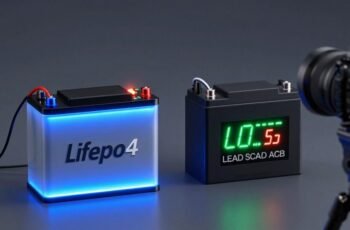
While it’s tempting to focus solely on performance metrics, understanding the nuanced differences between Lifepo4 and lithium-ion batteries is essential for making informed choices. These distinctions in chemistry, safety profiles, and application suitability can markedly influence long-term reliability and environmental impact. As we examine the technical details, it becomes clear that selecting the right battery involves more than just capacity—it requires a careful consideration of how each type aligns with specific operational needs, a discussion that’s worth exploring further.
Key Takeaways
- LiFePO4 batteries are safer, with lower risk of thermal runaway and easier recycling compared to lithium-ion batteries.
- Lithium-ion batteries offer higher energy density and faster charging speeds, making them suitable for portable electronics.
- LiFePO4 has a longer lifespan, exceeding 2,000 charge cycles, and maintains stable performance over time.
- Lithium-ion batteries are preferred for applications requiring compact size and higher energy storage capacity.
- LiFePO4 is more environmentally friendly due to simpler recycling processes and reduced toxic metal content.
What’s the Difference in Chemistry and Safety Between Lifepo4 and Lithium-Ion Batteries?
While both LiFePO4 (lithium iron phosphate) and traditional lithium-ion batteries utilize lithium-based chemistries, their fundamental differences in chemical composition markedly influence their safety profiles. LiFePO4’s stable crystal structure reduces thermal runaway risk, making it inherently safer than cobalt-based lithium-ion cells. This improved safety profile affects battery recycling processes, as LiFePO4 cells generate less hazardous waste and pose fewer environmental risks during disposal. The environmental impact of manufacturing and recycling is also minimized due to the absence of toxic metals like cobalt and nickel in LiFePO4, unlike in traditional lithium-ion batteries. Consequently, LiFePO4 batteries present a more sustainable option, with lower risks of fire, fewer toxic emissions, and easier, safer recycling procedures, ultimately reducing their ecological footprint.
Which Battery Lasts Longer and Performs Better Over Time?
When evaluating longevity and performance, LiFePO4 batteries generally outperform traditional lithium-ion counterparts due to their more stable chemical structure and superior thermal management. They typically boast a longer battery lifespan, often exceeding 2,000 charge cycles compared to 500-1,000 for lithium-ion batteries. This extended cycle life results from their inherent chemical stability, which minimizes capacity fade over time. Additionally, LiFePO4 batteries maintain consistent performance under high charge and discharge rates, ensuring reliable operation over prolonged periods. From an environmental impact perspective, they produce fewer harmful emissions during manufacturing and have a lower risk of thermal runaway. Overall, LiFePO4 batteries offer a more durable and environmentally conscious solution, making them a superior choice for long-term applications requiring sustained performance.
How Do Energy Density and Charging Speed Compare?
LiFePO4 batteries generally have a lower energy density compared to traditional lithium-ion batteries, meaning they store less energy per unit volume or weight. This impacts their suitability for applications requiring maximum power storage. However, they excel in temperature resilience, maintaining stable performance across diverse environments, and typically offer a more favorable cost comparison. When it comes to charging speed, lithium-ion batteries often recharge faster, especially with advanced charging protocols, whereas LiFePO4 batteries usually require a more controlled, slower charge process to optimize lifespan. Despite the lower energy density, LiFePO4’s stable chemistry allows for consistent performance over many cycles. These differences highlight trade-offs between energy storage capacity, resilience, and cost efficiency in choosing the right battery type for specific needs.
What Are the Best Uses for Lifepo4 and Lithium-Ion Batteries?
LiFePO4 and lithium-ion batteries each serve specific applications best suited to their unique characteristics. LiFePO4 batteries excel in stationary energy storage, electric vehicles, and off-grid solar systems due to their high thermal stability, safety profile, and long cycle life. Lithium-ion batteries are preferred for portable electronics, consumer gadgets, and high-energy-demand applications because of their superior energy density and fast charging capabilities. When considering their environmental impact, LiFePO4 batteries offer advantages in battery recycling efforts, as they contain fewer toxic materials and are easier to repurpose. This reduces ecological risks and supports sustainable practices. Conversely, lithium-ion batteries pose greater challenges in recycling due to complex chemistries, emphasizing the importance of proper disposal to mitigate environmental effects.
Which Battery Is Right for Your Needs? Key Factors to Consider
Choosing the right battery depends on a thorough assessment of your specific energy requirements, operational environment, and performance priorities. Consider factors such as energy density, cycle life, and charging efficiency. Lithium-ion batteries generally offer higher energy density and faster charging, but Lifepo4 batteries excel in safety, longevity, and thermal stability. Environmental impact is also essential; Lifepo4 batteries are more environmentally friendly and easier to recycle, reducing long-term waste concerns. Battery recycling processes vary, influencing sustainability evaluations. Additionally, environmental impact assessments should include manufacturing emissions and disposal considerations. Your choice hinges on balancing these technical factors with your application needs—whether for portable devices, electric vehicles, or grid storage. A thorough evaluation ensures maximum performance, safety, and sustainability.
Conclusion
Ultimately, choosing between LiFePO4 and lithium-ion batteries depends on your specific needs. Think of LiFePO4 as the steady, reliable anchor—offering safety and longevity—while lithium-ion is the swift, agile runner—delivering higher energy density and speed. Both have their place, but understanding their distinct chemistry and performance traits helps us make informed decisions. Like two sides of the same coin, selecting the right battery guarantees your system’s resilience and efficiency in the long run.