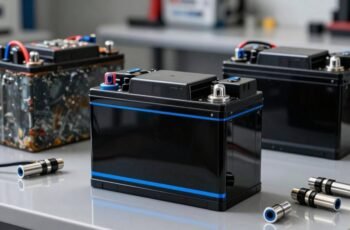
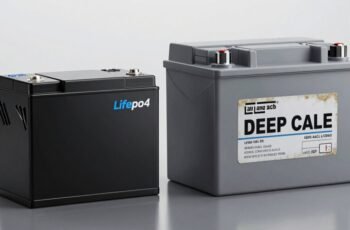
Imagine choosing between two vehicles: one offers speed and longevity, while the other promises affordability but needs frequent maintenance. This analogy mirrors the decision between LiFePO4 and AGM batteries—each with distinct chemistry and performance traits. Understanding their differences is essential for optimizing energy solutions, whether for solar setups or electric vehicles. As we analyze their safety, lifespan, and costs, you’ll see why this comparison matters for making an informed choice.
Key Takeaways
- LiFePO4 batteries offer higher safety, thermal stability, and longer lifespan compared to AGM batteries.
- AGM batteries are more affordable initially but have fewer charge cycles and shorter durability.
- LiFePO4 provides faster charging and better environmental sustainability through easier recycling.
- AGM batteries are suitable for marine and RV use due to their quick installation and maintenance-free design.
- Overall, LiFePO4 is more cost-effective long-term due to greater durability and safety features.
What Are LiFePO4 and AGM Batteries?
LiFePO4 (Lithium Iron Phosphate) and AGM (Absorbent Glass Mat) batteries are two distinct types of rechargeable batteries commonly used in various applications, from renewable energy systems to automotive and marine settings. LiFePO4 batteries feature a lithium-based chemistry known for high energy density and long cycle life, which positively influences battery recycling efforts and reduces environmental impact due to fewer hazardous materials. Conversely, AGM batteries use absorbed glass mat separators with lead-acid chemistry, making them more straightforward to recycle but with a higher environmental footprint because of lead content. Understanding these differences helps evaluate their sustainability profiles. While LiFePO4 batteries generally present a lower environmental impact over their lifespan, proper recycling remains essential for both types to mitigate potential environmental hazards.
How Do They Differ in Chemistry and Design?
The fundamental differences between Lifepo4 and AGM batteries stem from their cell compositions and structural designs, which influence performance and safety. Lifepo4 cells use lithium iron phosphate as the cathode material, offering stable chemistry and thermal robustness, while AGM batteries feature lead plates immersed in a sulfuric acid electrolyte. These variations in electrolyte composition and construction result in distinct electrical characteristics and operational behaviors worth examining.
Battery Cell Composition
While both LiFePO4 and AGM batteries serve as reliable energy storage solutions, their core differences stem from their distinct chemical compositions and cell designs. LiFePO4 cells use lithium iron phosphate as the cathode, providing high thermal stability and a longer lifespan, which benefits battery recycling and reduces environmental impact. AGM batteries utilize absorbed glass mat technology with lead-acid chemistry, making them more prone to degradation and hazardous waste. This composition affects performance, safety, and disposal protocols.
| Feature | LiFePO4 Battery | AGM Battery | Environmental Impact |
|---|---|---|---|
| Chemically Stable | Yes | Less stable | Lower toxicity, easier recycling |
| Recycling Complexity | Moderate | High | More environmentally friendly |
| Lifecycle | Longer | Shorter | Less waste, sustainable option |
| Safety | Higher thermal stability | Prone to sulfation | Safer, reduces environmental hazards |
| Design | Lithium-based cells | Lead-acid cells | Affects waste management policies |
Structural Design Differences
The core differences in the structural designs of LiFePO4 and AGM batteries stem from their distinct chemical compositions, which influence how they are constructed internally. LiFePO4 cells feature a rigid, prismatic or cylindrical design with robust thermal management to mitigate heat buildup during charge and discharge cycles. In contrast, AGM batteries utilize a sealed, glass mat absorber to hold the electrolyte, affecting their manufacturing processes and internal layout.
- LiFePO4 cells have a solid ceramic-like cathode structure, enhancing thermal stability.
- AGM batteries employ a sponge-like glass mat separator for electrolyte absorption.
- Manufacturing processes for LiFePO4 emphasize precision in cell assembly and thermal control.
- AGM construction prioritizes sealed, leak-proof design with simplified assembly.
Electrolyte Variations
Electrolytes in LiFePO4 and AGM batteries differ markedly in both chemistry and design, directly impacting their performance and safety profiles. LiFePO4 batteries utilize a liquid organic electrolyte containing lithium salts, which offers high electrolyte stability and enables efficient ion transport. Conversely, AGM batteries employ a glass mat separator soaked in sulfuric acid, resulting in a highly reactive chemical environment. The electrolyte in AGM batteries is more chemically reactive, increasing the risk of thermal runaway if damaged. In contrast, the solid-state electrolyte in LiFePO4 batteries provides enhanced chemical stability, reducing safety concerns. These differences in electrolyte chemistry and design influence not only performance parameters but also maintenance requirements and overall safety, making electrolyte stability a key factor in the suitability of each battery type for specific applications.
Performance Comparison: Capacity, Voltage, and Charging Speed
When comparing Lifepo4 and AGM batteries, it’s essential to examine their performance regarding capacity, voltage, and charging speed, as these factors directly influence their suitability for different applications. Lifepo4 batteries typically offer a higher usable capacity and consistent voltage output, which enhances overall performance. They also charge faster due to lower internal resistance, making them more efficient in rapid charging scenarios. AGM batteries, however, tend to have a slightly lower capacity but provide a stable 12V output suited for standard applications. Additionally, Lifepo4’s eco-friendly design promotes battery recycling and reduces environmental impact. Visualize the differences:
- Lifepo4 delivers a steady voltage curve during discharge
- AGM’s capacity diminishes gradually under load
- Faster charge times with Lifepo4 improve operational efficiency
- Environmental benefits favor Lifepo4’s sustainability appeal
Durability and Lifespan: Which Battery Lasts Longer?
Although both Lifepo4 and AGM batteries are designed for long-term use, Lifepo4 batteries generally outlast AGM options due to their more robust chemical structure and lower degradation rates over repeated cycles. Lifepo4’s stable chemistry allows for considerably more charge-discharge cycles—often 2,000 to 3,000—compared to AGM’s 500 to 1,000 cycles. This extended lifespan reduces the frequency of replacements, positively impacting battery recycling efforts by minimizing waste. Additionally, Lifepo4’s durability contributes to a lower environmental impact over its lifespan, as fewer batteries need disposal. AGM batteries tend to degrade faster, leading to more frequent replacements and increased environmental concerns. Overall, Lifepo4’s longevity makes it a more sustainable and cost-effective choice, emphasizing the importance of durability in environmental considerations.
Safety Features and Risks of LiFePO4 and AGM Batteries
LiFePO4 and AGM batteries each incorporate distinct safety features and pose different risks, which are critical considerations for their application. LiFePO4 batteries are inherently safer due to their thermal stability, reducing the risk of thermal runaway, whereas AGM batteries contain sulfuric acid, which can pose acid spill hazards if damaged. The manufacturing processes of LiFePO4 batteries involve environmentally friendlier materials, resulting in a lower environmental impact, while AGM batteries may generate more hazardous waste.
Key safety considerations include:
- Risk of fire or explosion in AGM batteries during overcharging
- Thermal stability of LiFePO4 reducing fire hazard
- Potential acid leaks in AGM batteries if compromised
- Environmental impact of manufacturing and disposal processes
Cost and Value: Which Battery Is More Affordable?
Evaluating the cost-effectiveness of LiFePO4 and AGM batteries requires a detailed analysis of their initial purchase prices, lifespan, and maintenance expenses. LiFePO4 batteries typically have a higher upfront cost but offer longer cycle life and lower maintenance, reducing total ownership costs over time. AGM batteries are more affordable initially but tend to have shorter lifespans and higher replacement costs. When considering environmental impact, LiFePO4 batteries generally have a more sustainable manufacturing process with less toxic materials, which can influence long-term value. AGM batteries involve more intensive manufacturing processes that produce greater environmental footprint. Overall, while AGM batteries may be more affordable upfront, LiFePO4 batteries often present better value through durability and environmental benefits, making them a more cost-effective choice over their lifecycle.
Best Applications for LiFePO4 and AGM Batteries
Choosing the appropriate battery technology depends heavily on the specific application requirements, as each type offers distinct advantages. LiFePO4 batteries excel in high-demand environments like solar energy storage, electric vehicles, and backup power systems due to their stability and longevity. They also support sustainable practices through easier battery recycling and a lower environmental impact over their lifespan. AGM batteries, on the other hand, are well-suited for marine, RV, and security systems where quick installation and maintenance-free operation are priorities. They are more tolerant to extreme temperatures but have a shorter lifespan and lower cycle count. When considering applications, it’s vital to evaluate environmental factors and recyclability to optimize both performance and sustainability. This approach ensures a balanced, eco-conscious decision aligned with operational needs.
How to Choose the Right Battery for Your Needs
When selecting the appropriate battery, we start by evaluating your power requirements to guarantee the capacity aligns with your load demands. Cost considerations, along with maintenance needs and expected lifespan, also influence the ideal choice. By analyzing these factors systematically, we can determine whether a LiFePO4 or AGM battery best suits your specific application.
Power Requirements Assessment
How do we guarantee that the battery we select can reliably meet our power demands? We start by analyzing our system’s load profile—peak usage, continuous draw, and future expansion. This involves calculating the total energy capacity needed and considering depth of discharge to prolong battery life. We must also evaluate the environmental impact and the feasibility of battery recycling, confirming sustainable choices. Proper sizing prevents underperformance and unnecessary cycling, which could lead to premature failure. Additionally, understanding the battery’s charge and discharge efficiencies helps optimize performance. By thoroughly examining these parameters, we ensure our chosen battery—whether Lifepo4 or AGM—aligns with technical needs and environmental considerations, minimizing long-term costs and ecological footprint.
Budget and Cost Factors
Budget constraints greatly influence our selection of batteries, necessitating a careful evaluation of initial costs versus long-term expenses. While Lifepo4 batteries often have higher upfront prices, their extended lifespan and superior efficiency can reduce total ownership costs. Conversely, AGM batteries tend to be more affordable initially but may incur higher replacement and maintenance costs, impacting overall expenditure. Environmental impact considerations, such as battery recycling and disposal, further complicate choices.
| Cost Aspect | Lifepo4 Battery | AGM Battery |
|---|---|---|
| Initial Price | Higher | Lower |
| Long-term Savings | Better durability, efficiency | Lower initial but higher replacement costs |
| Environmental Impact | Easier to recycle, eco-friendlier | Less recyclable, higher disposal concern |
Maintenance and Longevity
Choosing the right battery requires a thorough understanding of their maintenance requirements and expected lifespan, as these factors directly influence operational reliability and total ownership costs. Lifepo4 batteries generally demand minimal maintenance, with no need for regular electrolyte checks, and they have a longer cycle life, often exceeding 2000 cycles. AGM batteries require periodic inspection for corrosion and electrolyte levels, which can impact longevity if neglected. Proper maintenance also affects environmental impact, as well-maintained batteries are easier to recycle, reducing waste. When evaluating longevity:
- Lifepo4 batteries support extended cycle life, minimizing replacement frequency
- AGM batteries may require regular maintenance to prevent capacity loss
- Both types should be considered for their ease of recycling and environmental footprint
- Regular upkeep guarantees peak performance and reduces ecological impact over time
Conclusion
Think of choosing between LiFePO4 and AGM batteries as selecting a sturdy ship for different voyages. The LiFePO4 is our robust vessel, built to withstand storms and long journeys, offering reliability and safety. The AGM, while easier to sail initially, may not weather the same tempests over time. By understanding their strengths, we can chart a course that guarantees peak performance, safety, and value for our specific needs.