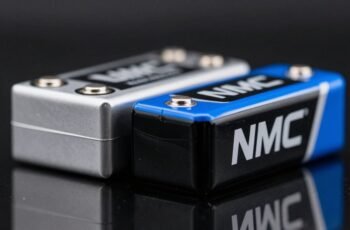
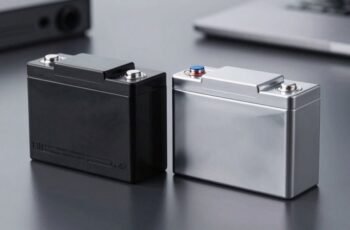
When deciding between LiFePO4 and lithium-ion batteries, we recognize that each offers distinct advantages aligned with different priorities. LiFePO4 emphasizes safety and longevity, while lithium-ion focuses on higher energy density and portability. To make an informed choice, we need to analyze factors like application requirements, cost implications, and environmental impact. Understanding these nuances can substantially influence which battery type best suits your specific needs—yet, the key considerations may not be immediately obvious.
Key Takeaways
- Choose LiFePO4 for safer, longer-lasting batteries suitable for renewable storage and electric vehicles.
- Opt for lithium-ion in portable electronics requiring higher energy density and compact design.
- Consider LiFePO4 for applications needing frequent cycling and high thermal stability.
- Select lithium-ion for devices prioritizing quick charging and lightweight form factors.
- Evaluate your environment and safety requirements to determine the most appropriate chemistry.
What Are the Key Differences Between Lifepo4 and Lithium-Ion Batteries?
Although both LiFePO4 and lithium-ion batteries are popular energy storage options, they exhibit fundamental differences in chemistry, performance, and safety profiles. The core distinction lies in their battery chemistry: LiFePO4 uses lithium iron phosphate, offering more stable thermal characteristics and reduced risk of thermal runaway, while traditional lithium-ion batteries typically employ cobalt-based cathodes. These chemistry differences influence charging protocols; LiFePO4 batteries require specific voltage and current management to maximize lifespan and safety, often favoring a slower, controlled charge process. Conversely, lithium-ion batteries support faster charging but demand careful regulation to prevent overheating or capacity degradation. Understanding these chemistry and protocol differences is essential for selecting the appropriate battery type for specific applications and ensuring top performance and safety.
Which Battery Is Safer and Lasts Longer for Your Needs?
When evaluating batteries for safety and longevity, it’s important to take into account the distinct chemical properties and operational characteristics of LiFePO4 and lithium-ion batteries. LiFePO4 batteries are inherently safer due to their stable chemistry, making them less prone to thermal runaway and reducing safety risks. They also typically support more charging cycles—around 2000–3000—compared to lithium-ion batteries, which often sustain about 500–1000 cycles. This extended cycle life translates into greater longevity and less frequent battery recycling needs. Lithium-ion batteries, while offering higher energy density, can degrade faster over time, especially if not properly maintained. Thus, for safety and longer lifespan, LiFePO4 batteries are generally the more durable choice, especially in applications demanding frequent cycling and enhanced safety.
How Do Cost, Maintenance, and Environmental Impact Compare?
Cost, maintenance, and environmental impact are critical factors that influence the overall value and sustainability of LiFePO4 and lithium-ion batteries. Manufacturing costs for lithium-ion batteries tend to be higher due to complex materials and processes, impacting initial pricing. In contrast, LiFePO4 batteries generally have lower manufacturing costs because of simpler chemistry and stable materials. Maintenance requirements are minimal for both, but LiFePO4 batteries typically last longer, reducing replacement frequency. Environmental impact largely depends on battery recycling efficiency; LiFePO4 batteries contain fewer toxic metals, making recycling safer and more straightforward. Lithium-ion batteries often require more extensive battery recycling efforts to mitigate environmental risks. Overall, LiFePO4 offers advantages in cost-effectiveness and environmental sustainability, especially when considering lifecycle management.
Where Are Lifepo4 and Lithium-Ion Batteries Best Used?
Both LiFePO4 and lithium-ion batteries have specific applications where their unique characteristics offer distinct advantages. LiFePO4 batteries excel in settings requiring high charging efficiency and long cycle life, making them ideal for renewable energy storage and electric vehicles. Their stability enhances safety and simplifies battery recycling processes, reducing environmental impact. Lithium-ion batteries, on the other hand, are preferred in portable electronics and consumer devices due to their high energy density, enabling smaller, lighter designs. They benefit from widespread manufacturing and established recycling streams, though their safety concerns and shorter lifespan limit heavy-duty applications. To conclude, LiFePO4 batteries are best suited for stationary, safety-critical uses, while lithium-ion batteries dominate portable, high-energy-demand applications.
How to Choose the Right Battery for Your Specific Needs
Selecting the appropriate battery depends on analyzing your specific energy requirements, safety considerations, and operational environment. Battery chemistry plays a pivotal role—Lifepo4 offers stability and longer cycle life, while lithium-ion provides higher energy density. Understanding your power needs helps determine the right choice. Additionally, charging protocols are essential; Lifepo4 batteries require specific charge voltages and current limits to guarantee safety and longevity, whereas lithium-ion batteries may demand more sophisticated charging systems. Consider factors like temperature tolerance, depth of discharge, and potential thermal management issues. By evaluating these technical aspects, including the chemistry’s safety profile and the compatibility of charging protocols with your device, you can select a battery that best balances performance, safety, and lifespan for your application.
Conclusion
Ultimately, choosing between LiFePO4 and lithium-ion batteries is like selecting the right tool for a precise job—each has strengths suited to specific needs. For instance, we’ve seen renewable energy systems thrive with LiFePO4’s durability, much like a sturdy foundation supports a building’s longevity. By analyzing safety, lifespan, and application demands, we can make informed decisions that optimize performance and sustainability, ensuring our energy solutions are both reliable and efficient over the long term.