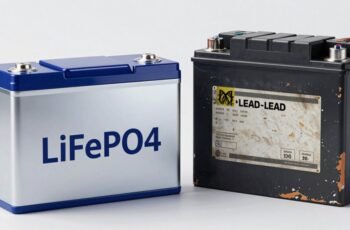
When choosing the ideal battery chemistry, we recognize that LiFePO4 and lithium-ion batteries each have distinct advantages and limitations. Their performance, safety, and longevity depend heavily on application-specific factors, prompting a careful evaluation. To make an informed decision, it’s essential to analyze their core characteristics, including durability, cost, and suitability for different environments. Understanding these nuances is vital, especially as we consider long-term reliability and safety—topics that merit closer examination.
Key Takeaways
- Lithium-ion batteries offer higher energy density for compact, high-capacity applications.
- LiFePO4 provides superior safety, thermal stability, and longer cycle life for demanding or large-scale uses.
- Lithium-ion batteries typically have a shorter lifespan and higher safety risks due to thermal runaway.
- LiFePO4 batteries are more environmentally friendly with easier recycling processes.
- The best choice depends on specific needs: high power and compactness favor lithium-ion, while safety and longevity favor LiFePO4.
What Are LiFePO4 and Lithium-Ion Batteries?
LiFePO4 (lithium iron phosphate) and lithium-ion batteries are two prevalent types of rechargeable energy storage devices, each with distinct chemical compositions that influence their performance and safety profiles. LiFePO4 batteries feature a stable phosphate-based cathode, offering longer cycle life and improved thermal stability, which enhances safety during operation. Lithium-ion batteries typically use layered oxide cathodes, providing higher energy density but with more sensitivity to charging cycles and thermal risks. Battery recycling is essential for both chemistries, as it mitigates environmental impact and recovers valuable materials. Additionally, the number of charging cycles directly affects battery longevity, with LiFePO4 generally tolerating more cycles due to its stable chemistry. Understanding these differences helps optimize usage and disposal strategies for each battery type.
Are LiFePO4 and Lithium-Ion Batteries Safe to Use?
Both LiFePO4 and lithium-ion batteries are widely used in various applications, but their safety profiles depend on their chemical stability and how they are managed during operation. LiFePO4 batteries are inherently more stable and less prone to thermal runaway, reducing fire risks. Lithium-ion batteries, while efficient, require careful management systems to prevent overheating and overcharging. Safety also extends to battery recycling, where LiFePO4 batteries pose fewer environmental hazards due to their non-toxic chemistry. Proper handling and disposal are essential to minimize environmental impact, especially for lithium-ion cells containing potentially hazardous materials. Overall, both chemistries are safe when used with appropriate safeguards, but LiFePO4’s stability offers a margin of safety that’s particularly relevant in high-demand or large-scale applications.
How Long Do These Batteries Last? Comparing Durability
While the lifespan of a battery considerably influences its long-term viability, the durability of LiFePO4 and lithium-ion chemistries varies based on their chemical stability and usage conditions. LiFePO4 batteries typically endure around 2,000 to 5,000 charge cycles, maintaining capacity longer under high-temperature conditions due to their stable phosphate chemistry. Lithium-ion batteries, however, often last 500 to 1,500 cycles, with capacity decline accelerating under thermal stress. This durability difference impacts battery recycling efforts; longer-lasting LiFePO4 units generate less waste and reduce environmental impact over time. Conversely, shorter lifespans in lithium-ion batteries increase recycling frequency, raising concerns about material recovery and environmental footprint. Ultimately, durability influences not just performance but also sustainability considerations for both chemistries.
What Are the Cost Differences Between LiFePO4 and Lithium-Ion Batteries?
When comparing LiFePO4 and lithium-ion batteries, the initial purchase price is a key factor, with LiFePO4 batteries typically costing more upfront. However, their longer lifespan and lower maintenance requirements often lead to significant long-term savings. Analyzing these cost components helps determine which chemistry offers better value over the battery’s lifecycle.
Initial Purchase Price
Although LiFePO4 batteries typically have a higher initial cost than traditional lithium-ion options, understanding the specific price differences requires examining their manufacturing complexities and material costs. LiFePO4 chemistry involves more complex synthesis processes and costlier raw materials, which contribute to higher upfront expenses. Market trends show that while lithium-ion prices have decreased due to mass production, LiFePO4 remains relatively expensive initially. However, this cost disparity is offset by LiFePO4’s longer lifespan and safer profile, factors increasingly valued for their environmental impact. The initial purchase price reflects not only raw material costs but also manufacturing scale and technological maturity. Ultimately, evaluating these costs involves balancing immediate investment against long-term benefits driven by environmental considerations.
Long-Term Cost Savings
Over the lifespan of a battery, the long-term cost savings of LiFePO4 versus lithium-ion batteries become a critical factor in determining overall value. LiFePO4 batteries typically have a longer cycle life, reducing replacement frequency and lowering lifecycle costs. Although initial costs may be comparable or higher, their durability translates into fewer replacements and less total expenditure over time. Additionally, LiFePO4 batteries are generally easier to recycle, contributing to reduced environmental impact and potential cost savings through improved battery recycling processes. Conversely, lithium-ion batteries often involve higher disposal costs and pose greater environmental risks if not properly managed. Overall, the extended lifespan and environmental advantages of LiFePO4 batteries often result in significant long-term savings despite a higher upfront investment.
Maintenance and Replacement
LiFePO4 batteries generally require less maintenance and have lower replacement costs compared to lithium-ion batteries, primarily due to their enhanced chemical stability and longer cycle life. This reduced need for maintenance translates into fewer replacements over the battery’s lifespan, lowering long-term costs. Additionally, LiFePO4’s stability simplifies battery recycling processes, minimizing environmental impact and disposal expenses. In contrast, lithium-ion batteries contain more complex chemistries that can degrade faster, increasing replacement frequency and associated costs. The environmental impact of each chemistry influences overall costs: LiFePO4’s safer disposal reduces environmental remediation expenses, whereas lithium-ion batteries pose higher risks due to potential hazardous materials. Consequently, LiFePO4’s durability and eco-friendly profile contribute to significant savings in maintenance, replacement, and environmental management.
How Do Performance and Power Output Differ?
When comparing battery chemistries, understanding how performance and power output differ is essential for making an informed choice. Performance metrics, such as cycle life, charge efficiency, and thermal stability, highlight the overall reliability and longevity of a battery. Power capacity, on the other hand, refers to the maximum current a battery can deliver at a given moment, impacting how effectively it can handle high-demand applications. Lithium-ion batteries typically exhibit higher power capacity, providing rapid bursts of energy necessary for high-performance devices. In contrast, LiFePO₄ batteries generally have lower peak power output but excel in maintaining stable performance over extended cycles. Recognizing these distinctions allows us to select the chemistry best aligned with specific performance requirements.
Which Battery Is Right for Your Application?
Choosing the right battery depends on analyzing energy density, cost, and longevity to match your application’s specific demands. Li-ion batteries typically offer higher energy density, making them suitable for compact or high-capacity needs, while LiFePO4 batteries excel in long-term stability and safety. Evaluating these factors allows for a precise selection aligned with performance requirements and budget constraints.
Energy Density Comparison
Have you ever wondered how energy density influences the suitability of a battery for your specific application? Lithium-ion batteries generally offer higher energy densities than LiFePO4, enabling longer runtime in compact designs. This makes lithium-ion ideal for portable electronics and electric vehicles where space and weight are critical. However, higher energy density can also mean increased environmental impact, especially considering battery recycling challenges associated with lithium-ion chemistry. LiFePO4 batteries have lower energy density but are safer and more environmentally friendly, with simpler recycling processes and less toxic waste. When evaluating which battery fits your needs, consider how energy density aligns with your application’s power requirements and long-term environmental impact. Both chemistries have distinct advantages, depending on your priorities.
Cost and Longevity
Although Lithium Iron Phosphate (LiFePO4) batteries typically have a higher upfront cost than lithium-ion counterparts, they often prove more economical over their lifespan due to their superior longevity and reduced maintenance requirements. Their extended cycle life—often exceeding 2000 cycles—reduces replacement frequency, lowering long-term costs. Additionally, LiFePO4 batteries pose a smaller environmental impact, partly because they are safer and involve less toxic materials, simplifying battery recycling processes.
- Longer lifespan reduces overall replacement and disposal costs
- Safer chemistry minimizes environmental hazards during use and disposal
- Easier battery recycling supports sustainability efforts and reduces waste
Choosing the right chemistry depends on balancing initial investment with total lifetime costs, environmental concerns, and recycling considerations.
Conclusion
In weighing LiFePO4 against lithium-ion batteries, we see a clear trade-off: safety and longevity versus energy density and weight. Like a well-balanced scale, choosing the right chemistry depends on your specific needs—whether prioritizing durability or portability. By understanding the technical nuances, we can make informed decisions that optimize performance and safety. Ultimately, selecting the best battery chemistry is about aligning technology with your application’s demands, ensuring reliability in every cycle.