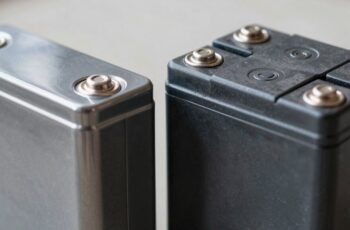
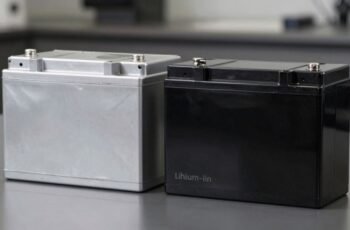
When comparing Lifepo4 and lead acid batteries, understanding their cost dynamics involves more than just initial prices. While Lifepo4 batteries require a higher upfront investment, their long-term benefits—such as durability and reduced maintenance—may justify the expense. Conversely, lead acid batteries appear cheaper initially but could incur higher costs over time due to replacements and upkeep. Examining these factors closely can reveal which option offers true economic value over the lifespan of a system.
Key Takeaways
- Lifepo4 batteries have higher upfront costs but offer longer lifespan, reducing replacement expenses over time.
- Lead acid batteries are cheaper initially but require more frequent replacements, increasing total lifecycle costs.
- Lifepo4’s superior efficiency and lower maintenance needs lower operational expenses compared to lead acid.
- Recycling Lifepo4 batteries is simpler and less environmentally costly than lead acid, impacting long-term costs.
- Overall, Lifepo4 provides better long-term cost savings despite higher initial investment.
Understanding Lifepo4 and Lead Acid Batteries: Key Differences
While both Lifepo4 and lead acid batteries serve as reliable energy storage solutions, they differ markedly in their chemistry, performance, and application suitability. Lifepo4 batteries utilize lithium iron phosphate chemistry, offering higher energy density and longer cycle life, whereas lead acid batteries rely on lead plates submerged in sulfuric acid, which limits longevity. From an environmental perspective, Lifepo4 batteries generally have a lower environmental impact due to safer materials and cleaner manufacturing processes. Battery recycling practices also favor Lifepo4, as lithium-based batteries are more amenable to efficient recycling, reducing hazardous waste. Conversely, lead acid batteries pose challenges with toxic lead and sulfuric acid, making disposal and recycling more environmentally risky. These differences influence sustainability considerations and long-term ecological impacts of each battery type.
Initial Costs: Comparing Lifepo4 and Lead Acid Batteries
When evaluating the economic viability of Lifepo4 and lead acid batteries, initial purchase cost remains a primary consideration. Lifepo4 batteries typically have higher manufacturing costs due to advanced cell chemistry and quality control, but these costs are offset by their longer lifespan. Lead acid batteries benefit from established manufacturing processes that keep initial costs lower, making them more accessible upfront. However, the recycling process differs markedly; Lifepo4 batteries require specialized recycling methods, impacting total lifecycle costs. Lead acid batteries have a well-established recycling infrastructure, reducing disposal costs and promoting sustainability. While initial costs favor lead acid, the higher manufacturing costs of Lifepo4 are balanced by longer durability and lower maintenance, influencing overall economic assessments.
Long-Term Expenses and Cost Savings
When evaluating long-term costs, battery lifespan and durability are critical factors impacting overall expenses. Lead acid batteries typically require more frequent replacements and maintenance, increasing ongoing costs, whereas Lifepo4 cells offer greater longevity with lower upkeep. Analyzing these differences helps us understand the true cost savings over the battery’s operational life.
Battery Lifespan Durability
Because battery lifespan directly impacts long-term expenses, understanding the durability of LiFePO4 versus lead-acid batteries is essential for making cost-effective decisions. LiFePO4 batteries typically offer 2,000 to 5,000 cycles, translating to 8-15 years of service, depending on usage. In contrast, lead-acid batteries usually last 500-1,000 cycles, or 3-5 years. This extended lifespan reduces replacement frequency and overall costs. Additionally, manufacturing processes for LiFePO4 batteries are more environmentally friendly, supporting effective battery recycling that minimizes waste and recovers valuable materials. Lead-acid batteries, with their more toxic components, pose greater challenges for recycling. The durability differences, combined with manufacturing advancements, strongly favor LiFePO4 for long-term cost efficiency and sustainable lifecycle management.
Maintenance and Replacement Costs
Maintenance and replacement costs substantially influence the long-term affordability of battery systems. Lifepo4 batteries generally require less maintenance due to their stable chemistry, leading to fewer replacements over time. This reduces overall lifecycle costs and minimizes the environmental impact, especially when considering battery recycling processes. Lead acid batteries demand regular checks, fluid top-ups, and more frequent replacements, increasing operational expenses and waste generation. The durability of Lifepo4 batteries also means fewer disposal concerns, aligning with sustainable practices. In contrast, lead acid batteries contribute more to environmental impact through hazardous waste if not properly recycled. Consequently, while initial costs might be comparable, Lifepo4’s lower maintenance and longer lifespan offer significant long-term savings and a reduced ecological footprint.
Battery Lifespan and Replacement Costs
Although both LiFePO4 and lead-acid batteries serve similar functions, their lifespans and replacement costs differ considerably. LiFePO4 batteries typically last 8-10 years or around 2,000-3,000 charge cycles, notably exceeding lead-acid batteries, which usually last 3-5 years or 500-1,000 cycles. This extended lifespan reduces frequency and overall replacement costs. Additionally, LiFePO4 batteries are more environmentally friendly due to easier battery recycling and lower toxic waste during disposal, minimizing environmental impact. Lead-acid batteries, however, pose greater environmental concerns because of hazardous materials like sulfuric acid and lead, making recycling more complex and costly. These factors collectively influence the total cost of ownership, with LiFePO4 batteries offering long-term financial and environmental advantages.
Safety and Maintenance: Which Battery Is Safer and Easier to Keep Up?
When comparing safety and maintenance, the fire risk and stability of each battery type are critical factors. Lifepo4 batteries generally offer enhanced thermal stability and lower flammability, reducing safety concerns. Additionally, their maintenance requirements are simpler and often less costly, making them a more practical choice for long-term upkeep.
Fire Risk and Stability
LiFePO4 batteries generally present a lower fire risk compared to traditional lead-acid batteries due to their inherent chemical stability. In our fire risk assessment, LiFePO4’s stable cathode chemistry reduces the likelihood of thermal runaway, a common cause of fires in lithium-ion variants. Stability testing confirms that LiFePO4 cells maintain structural integrity under high temperatures, making them less prone to combustion. Conversely, lead-acid batteries contain sulfuric acid and porous lead plates, which can produce flammable gases if damaged or improperly maintained. While lead-acid batteries require venting and regular inspection to prevent leaks, LiFePO4’s stable chemistry minimizes such risks. Overall, LiFePO4’s design contributes markedly to safer operation, with a more predictable stability profile compared to lead-acid alternatives.
Maintenance Ease and Costs
Maintaining battery systems involves distinct considerations for LiFePO4 and lead-acid technologies, impacting operational safety and long-term costs. LiFePO4 batteries require minimal maintenance, with no need for watering or acid handling, reducing safety risks. Lead-acid batteries demand regular watering, equalization, and careful acid management, increasing safety concerns and maintenance costs. Over time, LiFePO4 batteries offer lower total cost of ownership due to fewer replacements and less environmental impact through easier battery recycling. The table below summarizes these differences:
| Aspect | LiFePO4 | Lead-Acid | Environmental Impact |
|---|---|---|---|
| Maintenance | Low, no watering | High, watering & equalization | Higher, hazardous waste |
| Safety | Safer, no acid spills | Risk of acid spills | Greater, toxic components |
| Recycling | Simpler, less hazardous | More complex, toxic waste | More environmentally friendly |
Performance Factors That Affect Total Cost
What specific performance factors influence the total cost of battery systems? Key factors include charging efficiency and environmental impact. Charging efficiency determines how effectively a battery converts input energy into usable power, directly affecting operational costs; higher efficiency reduces energy waste and electricity expenses. Lifepo4 batteries typically exhibit superior charging efficiency compared to lead acid, resulting in lower long-term operational costs. Environmental impact also plays a pivotal role, as batteries with minimal ecological footprints tend to incur fewer disposal and regulatory costs over their lifespan. Lifepo4’s lower environmental impact, due to non-toxic materials and longer cycle life, can lead to reduced disposal costs and compliance expenses. These performance factors collectively influence the total cost of ownership, making them essential considerations in cost comparison analyses.
Choosing the Right Battery for Your Needs and Budget
Choosing the appropriate battery system requires careful consideration of both technical performance and budget constraints. When evaluating options, it’s essential to analyze lifecycle costs, including maintenance, replacement, and the environmental impact. LiFePO4 batteries often offer longer cycle life and easier battery recycling, reducing long-term disposal concerns. Lead acid batteries, while initially cheaper, tend to have higher maintenance costs and a greater environmental footprint due to hazardous materials. Evaluating your specific energy needs and budget limits helps guarantee an ideal balance between upfront investment and overall sustainability. Additionally, considering the environmental impact of battery disposal and recycling processes can influence decision-making, as responsible recycling minimizes environmental harm and aligns with sustainability goals. Ultimately, selecting the right battery involves a strategic analysis of cost, performance, and ecological considerations.
Conclusion
As we weigh the true costs, the decision hinges on more than just upfront prices. Will the initial investment in Lifepo4 batteries justify their exceptional longevity and lower maintenance, or will the affordability of lead acid batteries appeal more in the short term? The choice ultimately depends on your long-term goals. Stay tuned as we uncover which option offers the most strategic advantage for your specific application and future savings.