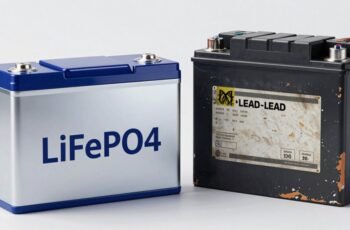
When comparing LiFePO4 and lead acid batteries, understanding their lifespan differences is vital for effective energy storage solutions. While LiFePO4 batteries offer considerably longer cycle lives and better durability, evaluating whether these benefits outweigh the initial costs depends on multiple factors. We’ll examine how these technologies perform over time and what influences their longevity, providing clarity on which option may be more suitable for long-term applications. The key insights may challenge some assumptions about battery durability.
Key Takeaways
- LiFePO4 batteries typically last 2,000 to 5,000 cycles, significantly longer than lead-acid batteries’ 500 to 1,000 cycles.
- Lead-acid batteries are more prone to sulfation and corrosion, reducing their overall lifespan compared to LiFePO4.
- Proper temperature management and maintenance extend LiFePO4 lifespan more effectively than lead-acid batteries.
- LiFePO4’s stable chemistry results in less capacity degradation over time, ensuring longer operational life.
- Despite higher initial costs, LiFePO4’s durability offers better long-term value through fewer replacements.
How Do LiFePO4 and Lead Acid Batteries Differ in Lifespan?
While both LiFePO4 and lead acid batteries serve as reliable energy storage solutions, their lifespans differ markedly due to their distinct chemical and physical properties. The key difference lies in battery chemistry; LiFePO4 cells utilize a stable lithium iron phosphate compound, which results in less degradation over charge cycles. In contrast, lead acid batteries rely on sulfuric acid and lead plates, which are more prone to sulfation and corrosion, shortening lifespan. Manufacturing quality also plays a critical role, as high-quality LiFePO4 cells are produced with tighter controls, ensuring consistent performance and longevity. Conversely, variations in manufacturing quality can lead to early failure in lead acid batteries. Overall, the combination of advanced chemistry and manufacturing standards grants LiFePO4 batteries a considerably longer operational life.
What Factors Affect Battery Lifespan?
Battery lifespan is primarily influenced by charge cycle count, operating temperature, and depth of discharge, each impacting degradation rates. High temperatures accelerate chemical wear, while frequent deep discharges reduce overall cycle life. Understanding these factors enables more effective management of battery longevity.
Charge Cycle Count
What exactly influences the lifespan of a battery through its charge cycle count? Fundamentally, each full charge and discharge cycle causes gradual chemical and physical degradation within the cells, reducing capacity over time. Lithium Iron Phosphate (LiFePO4) batteries typically endure more cycles—around 2,000 to 3,000—compared to lead-acid batteries, which often average 500 to 1,000. This difference impacts not only longevity but also the environmental footprint, as longer-lasting batteries reduce the frequency of replacement and support better battery recycling practices. Fewer cycles mean less waste and a smaller environmental impact. Understanding these factors helps us evaluate how charge cycle count influences overall lifespan, emphasizing the importance of choosing batteries with higher cycle resilience for sustainable energy solutions.
Operating Temperature Range
Operating temperature range considerably influences the lifespan of lithium and lead-acid batteries, as extreme temperatures accelerate degradation processes within the cells. Maintaining temperature stability is essential to minimize the formation of internal stresses and prevent capacity loss over time. Lithium-ion batteries, such as Lifepo4, exhibit ideal performance within a narrower thermal window, typically between 0°C and 45°C, while lead-acid batteries are somewhat more tolerant but still susceptible to temperature-induced deterioration. Effective thermal management strategies are indispensable to sustain consistent battery health, especially in environments with fluctuating temperatures. Elevated temperatures speed up chemical reactions, leading to faster aging, whereas cold conditions reduce chemical activity and capacity. Hence, controlling operating temperature ranges is critical to prolong battery lifespan and guarantee reliable performance.
Depth of Discharge
The depth of discharge (DoD) considerably impacts the overall lifespan of lithium iron phosphate (Lifepo4) and lead-acid batteries, as it determines how much of the stored energy is used before recharging. A higher DoD means more of the battery’s capacity is utilized, which accelerates capacity fade over time. Lifepo4 batteries typically tolerate deeper discharges without significant degradation, thanks to their higher energy density and stable chemistry, consequently extending cycle life. Conversely, lead-acid batteries are more susceptible to damage from frequent deep discharges, reducing their effective lifespan. Maintaining an ideal DoD preserves battery capacity and prolongs operational life. As a result, understanding and managing DoD is essential for maximizing the performance and durability of both Lifepo4 and lead-acid systems.
How Do the Cycle Lives of These Batteries Compare?
Although both LiFePO4 (lithium iron phosphate) and lead-acid batteries are widely used for energy storage, their cycle life capacities differ markedly. LiFePO4 batteries typically endure around 2,000 to 5,000 cycles, whereas lead-acid batteries generally provide 500 to 1,000 cycles. Visualize this as:
- A LiFePO4 battery cycling multiple times without significant capacity loss, enabling longer-term use.
- Lead-acid batteries reaching their cycle limit sooner, leading to replacement needs.
- The environmental impact and battery recycling considerations, with LiFePO4 offering better sustainability due to longer lifespan and easier recyclability. These differences influence not only operational costs but also environmental sustainability, as longer-lasting batteries reduce waste and facilitate more efficient battery recycling processes.
How Does Maintenance Impact Battery Durability?
Maintenance practices directly influence the longevity and performance of both LiFePO4 and lead-acid batteries. Proper maintenance minimizes capacity loss and prevents premature failure, thereby extending lifespan. Regular monitoring of voltage and temperature helps identify issues early, reducing the risk of damage. Adequate electrolyte management is essential for lead-acid batteries, while LiFePO4 batteries benefit from guaranteeing balanced cells. Consistent maintenance also supports adherence to manufacturer warranties, which often require specific care protocols. Additionally, responsible battery recycling at end-of-life ensures environmental safety and resource efficiency. Neglecting maintenance can void warranties and accelerate degradation, undermining cost-effectiveness. Ultimately, diligent maintenance directly correlates with sustained performance, emphasizing the importance of proactive care strategies for maximizing the durability of both battery types.
What Can You Expect From Battery Longevity in Real-World Use?
In practical applications, battery longevity often differs considerably from laboratory or ideal conditions due to factors like usage patterns, environmental influences, and operational demands. Real-world performance hinges on:
- Cycles completed before capacity diminishes, affecting lifespan.
- Exposure to temperature fluctuations accelerating degradation.
- Proper disposal and recycling, influencing environmental impact and sustainability.
For Lifepo4 and lead acid batteries, these factors mean actual lifespan varies, with Lifepo4 generally maintaining performance longer under demanding conditions. Additionally, battery recycling plays a crucial role in reducing environmental impact, ensuring materials are reused responsibly. Understanding these variables helps set realistic expectations for longevity and emphasizes the importance of environmentally conscious practices in extending battery life and minimizing ecological footprint.
Is Longer Battery Life Worth the Cost?
When evaluating whether longer battery life justifies a higher upfront cost, we need to analyze the trade-offs between initial investment and long-term performance. Longer-lasting batteries, such as Lifepo4, often reduce replacement frequency, which can lower environmental impact through fewer disposal cycles and more efficient recycling processes. Although Lifepo4 batteries typically have a higher initial price, their extended lifespan decreases cumulative costs over time. Additionally, their improved durability minimizes environmental harm associated with disposal of worn-out lead acid batteries, which contain hazardous materials requiring specialized recycling. This economic and environmental balance often favors batteries with longer life spans when considering total lifecycle costs and sustainability. Ultimately, the decision hinges on whether the upfront premium aligns with long-term savings and ecological benefits.
Final Thoughts: Choosing the Best Battery for Long-Term Use
Selecting the right battery for long-term use requires balancing initial costs, lifespan, and environmental impact. When evaluating options, consider:
- Energy density—Lifepo4 batteries offer higher energy density, ensuring more stored energy in a smaller footprint.
- Battery recycling—Lifepo4’s eco-friendly materials facilitate safer, more efficient recycling, reducing environmental harm.
- Lifespan—While lead acid batteries may be cheaper upfront, Lifepo4’s longer cycle life minimizes replacement costs over time.
Ultimately, Lifepo4 batteries tend to deliver better long-term value due to superior energy density and sustainable recycling processes. Although initial investments are higher, the extended cycle life and lower environmental impact make them a more strategic choice for sustainable, cost-effective energy storage solutions.
Conclusion
In summary, LiFePO4 batteries considerably outperform lead acid counterparts, with lifespans reaching up to 5,000 cycles compared to just 1,000. This durability stems from their stable chemistry and ability to handle deeper discharges. While the upfront cost is higher, their extended lifespan and lower maintenance needs make them a cost-effective choice over time. For long-term energy solutions, investing in LiFePO4 batteries offers unmatched reliability and longevity.