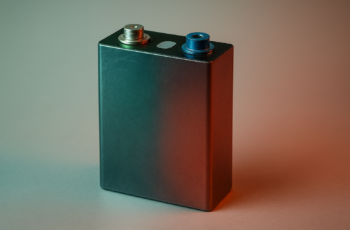
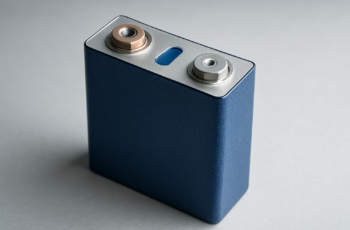
It’s a coincidence that LiFePO4 batteries, known for their safety and longevity, often emerge as the preferred choice in energy storage despite being less discussed than traditional lithium-ion cells. Their unique chemistry provides stability and durability that are critical in demanding applications, yet many overlook the specific facts that set them apart. Understanding these details can influence your decision-making, but there’s more to uncover about what makes LiFePO4 technology truly reliable.
Key Takeaways
- LiFePO4 batteries are lithium-ion cells with high thermal stability and safety, reducing fire risk.
- They offer a long cycle life, often exceeding 2,000 charge-discharge cycles.
- Their chemical stability minimizes overheating and prevents thermal runaway.
- LiFePO4 batteries are highly recyclable, supporting environmental sustainability.
- They are suitable for various applications like solar storage, EVs, and backup power systems.
What Are LiFePO4 Batteries and How Do They Work?
LiFePO4 batteries, also known as lithium iron phosphate batteries, are a type of rechargeable lithium-ion battery characterized by their cathode composition, which consists of lithium iron phosphate. Their battery chemistry offers high thermal stability and safety, making them suitable for various applications. These batteries operate through the movement of lithium ions between the anode and cathode during charge and discharge cycles. LiFePO4 chemistry provides a stable voltage profile and a high number of charging cycles, often exceeding 2,000, which extends overall lifespan. This durability results from their robust chemical structure, reducing capacity fade over time. Consequently, LiFePO4 batteries are valued for their long cycle life, consistent performance, and safety, making them a reliable choice for demanding energy storage needs.
Key Safety Advantages of LiFePO4 Batteries
What makes LiFePO4 batteries stand out regarding safety? Their inherent chemical stability considerably reduces risks of thermal runaway, making them safer than other lithium-ion chemistries. The stable phosphate-based cathode prevents violent reactions under stress, contributing to enhanced thermal safety. This stability minimizes the likelihood of overheating, fires, or explosions even under fault conditions or physical damage. Additionally, LiFePO4’s robust thermal safety profile ensures consistent performance across a wide temperature range without degradation or safety compromise. The chemical structure’s resilience directly translates into lower risk of thermal instability, making these batteries a reliable choice for applications demanding high safety standards. Overall, the combination of chemical stability and thermal safety features makes LiFePO4 batteries a safer, more stable energy storage solution.
How Long Do LiFePO4 Batteries Typically Last?
LiFePO4 batteries generally have a lifespan of 2,000 to 5,000 charge cycles, translating to about 8 to 10 years of regular use. Factors such as temperature, charge rates, and depth of discharge considerably influence their durability. Understanding these variables helps optimize longevity and performance.
Battery Lifespan Expectations
Understanding the typical lifespan of lithium iron phosphate (LiFePO4) batteries is essential for evaluating their long-term value and reliability. Generally, these batteries offer 2,000 to 5,000 charge cycles, translating to 8-15 years of use depending on operating conditions. Proper maintenance and adherence to manufacturer guidelines can extend their lifespan. Significantly, LiFePO4 batteries are highly recyclable, minimizing environmental impact and facilitating sustainable disposal. Their extended cycle life reduces the frequency of replacements, decreasing waste and supporting environmental conservation efforts. This durability not only enhances value for consumers but also encourages responsible battery recycling practices, further reducing ecological footprints. As a result, LiFePO4 batteries are increasingly regarded as a sustainable energy storage solution with predictable, long-term performance.
Factors Affecting Durability
The durability of LiFePO4 batteries is primarily influenced by several interrelated factors that impact their overall lifespan. Temperature stability plays a critical role; excessive heat accelerates degradation of internal components, reducing cycle life, while low temperatures can impair performance and capacity. Maintaining ideal operating temperatures is essential for longevity. Manufacturing quality also greatly affects durability, as high-precision assembly and consistent quality control minimize defects that could lead to early failure. Variations in cell construction, electrode materials, and electrolyte purity determine the battery’s resilience over time. Proper manufacturing ensures reliable performance and maximizes lifespan. Consequently, controlling temperature conditions and ensuring high manufacturing standards are key to extending the functional life of LiFePO4 batteries, safeguarding investment and enhancing their long-term performance.
Comparing LiFePO4 Batteries to Traditional Lithium-Ion Batteries
While both LiFePO4 and traditional lithium-ion batteries are popular choices for energy storage, they differ considerably in chemistry and performance characteristics. LiFePO4 batteries utilize lithium iron phosphate cathodes, offering enhanced thermal stability and a longer cycle life, which reduces the frequency of replacements. In contrast, traditional lithium-ion batteries often use cobalt or nickel-based cathodes, making them more energy-dense but less stable. Manufacturing processes for LiFePO4 are generally simpler and involve less hazardous materials, facilitating more eco-friendly Battery Recycling. This sustainability advantage is complemented by their lower degradation rates, reducing environmental impact over time. Overall, LiFePO4 batteries provide a safer, more sustainable option with distinct advantages in stability and lifecycle, especially in applications emphasizing longevity and environmental considerations.
Common Uses and Applications of LiFePO4 Technology
LiFePO4 batteries are widely employed across various industries due to their safety, longevity, and stability. They are particularly valuable in solar energy systems for energy storage, providing reliable, long-term power with minimal maintenance. In electric vehicles, LiFePO4 batteries offer high thermal stability and fast charging capabilities, enhancing safety and efficiency. Their durability makes them ideal for applications demanding frequent cycling and extended lifespan. Additionally, LiFePO4 technology is used in:
- Off-grid renewable energy storage solutions
- Backup power systems for critical infrastructure
- Marine and RV applications requiring safe, lightweight batteries
Their resilience under demanding conditions guarantees consistent performance, making them a preferred choice in these sectors. The combination of safety and performance drives widespread adoption across these diverse applications.
What Factors Affect LiFePO4 Battery Performance?
Several factors directly influence the performance of LiFePO4 batteries, including temperature, charge and discharge rates, and state of health. Environmental impacts, such as ambient temperature fluctuations, notably affect battery efficiency and lifespan, with high temperatures accelerating degradation and low temperatures reducing capacity. Manufacturing processes also play a critical role; variations in electrode material quality, cell assembly, and quality control influence overall battery stability and performance consistency. Additionally, improper handling during manufacturing can introduce defects that impair long-term operation. The battery’s state of health, determined by cumulative usage and aging, impacts its capacity and safety. Understanding these factors enables optimization of LiFePO4 battery performance, ensuring reliable operation and extending service life under diverse environmental conditions.
Debunking Myths About LiFePO4 Batteries
Despite common misconceptions, LiFePO4 batteries are often misunderstood regarding their safety, longevity, and performance capabilities. Myth busting reveals that these batteries are inherently safe, with stable chemical properties preventing thermal runaway. Many assume they degrade quickly, but they actually maintain high cycle life—often exceeding 2000 cycles—under proper use. Regarding safety concerns, LiFePO4’s robust chemistry makes them resilient against overcharging, physical damage, or high temperatures.
- They do not pose a fire risk like other lithium chemistries
- They sustain minimal capacity loss over time
- They perform reliably in extreme environmental conditions
Understanding these facts helps dispel myths and highlights the true safety and durability of LiFePO4 technology.
How to Choose the Right LiFePO4 Battery for Your Needs
To select the appropriate LiFePO4 battery, we first assess the specific power requirements of our application, including voltage and current demands. We then evaluate the battery’s lifespan, focusing on cycle life and overall durability to guarantee long-term performance. By accurately matching these technical parameters, we can optimize efficiency and reliability for our needs.
Determine Power Requirements
Determining the appropriate power requirements is essential for selecting the right LiFePO4 battery for your application. To do this accurately, consider the total energy demand, peak current needs, and continuous load. Battery chemistry influences capacity and discharge rates, so choose a model that aligns with your application’s power profile. Additionally, understanding compatible charging methods guarantees peak performance and longevity. When evaluating power needs, keep in mind:
- The total watt-hours required for your device or system
- Peak current demands during startup or high-load conditions
- Continuous current draw during operation
Matching these factors with a battery’s specifications guarantees reliable performance. Properly assessing power requirements minimizes the risk of under- or over-specification, ensuring efficiency and durability in your energy system.
Consider Battery Lifespan
Evaluating a LiFePO4 battery’s lifespan is essential to guaranteeing long-term reliability and cost-effectiveness. When selecting a battery, consider cycle life, which directly influences durability. A longer cycle life reduces replacement frequency, positively impacting the environmental footprint by minimizing battery recycling needs. Additionally, assess the battery’s depth of discharge (DoD); higher DoD capabilities often extend lifespan without compromising performance. It’s necessary to choose batteries manufactured with environmentally conscious processes to lower environmental impact. Proper disposal and recycling protocols are critical for sustainable battery use. By analyzing these factors—cycle longevity, DoD, manufacturing practices, and recycling options—we can select batteries that offer maximum lifespan while supporting eco-friendly initiatives. This approach guarantees both operational efficiency and environmental responsibility.
Frequently Asked Questions
Are Lifepo4 Batteries Environmentally Friendly?
We believe Lifepo4 batteries are environmentally friendly because they use eco-friendly materials, produce minimal toxic waste, and have a lower manufacturing impact compared to other batteries, making them a sustainable choice for eco-conscious consumers.
Can Lifepo4 Batteries Be Recycled?
Like skilled artisans of yore, we can recycle LiFePO4 batteries through specialized battery recycling processes, considerably reducing their environmental impact. This guarantees valuable materials are recovered efficiently, aligning with sustainable practices and minimizing ecological footprint.
What Is the Cost Difference Between Lifepo4 and Other Batteries?
We find that the cost comparison shows Lifepo4 batteries generally have higher upfront prices due to advanced chemistry and safety features. Price factors include manufacturing complexity, materials, and energy density, which influence long-term value and total cost of ownership.
How Do Temperature Extremes Affect Lifepo4 Battery Performance?
Temperature extremes challenge Lifepo4 battery performance like a storm tests a ship’s hull. Their temperature resilience depends on effective thermal management, which stabilizes internal conditions, ensuring safety, longevity, and consistent energy output amidst environmental fluctuations.
Are Lifepo4 Batteries Suitable for Solar Energy Storage?
Yes, Lifepo4 batteries are suitable for solar energy storage, offering high charging efficiency and extended battery lifespan. Their stable chemistry guarantees reliable performance, making them ideal for renewable energy systems, especially when properly managed under temperature variations.
Conclusion
In exploring LiFePO4 batteries, we’ve seen their impressive safety, longevity, and environmental benefits. Some claim they can’t match traditional lithium-ion performance, but evidence shows their stable chemistry and cycle life often surpass expectations. As technology advances, LiFePO4 batteries are proving to be a reliable, sustainable choice for diverse applications. We encourage you to critically evaluate these claims, knowing that their proven durability and safety often challenge misconceptions, making them a smart investment for the future.