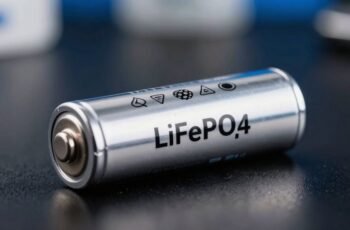
Some may assume that lithium iron phosphate (LiFePO4) batteries are inherently safe, but without proper handling and safeguards, risks still exist. Ensuring their safe use requires a clear understanding of their chemistry, protective systems, and environmental considerations. We need to take these factors into account carefully to avoid potential hazards and maximize lifespan. The key to reliable, safe operation lies in adhering to established safety protocols—so let’s explore what those entail and why they matter.
Key Takeaways
- Follow proper handling, installation, and routine maintenance procedures to prevent damage and ensure safe operation of LiFePO4 batteries.
- Use chargers with overcharge protection and a Battery Management System (BMS) to prevent overvoltage and thermal runaway.
- Monitor temperature and physical condition regularly to detect signs of damage, swelling, or overheating early.
- Dispose of batteries responsibly through authorized recycling centers, avoiding landfilling or incineration.
- Prepare for emergencies with safety protocols, training, and accessible response equipment to handle thermal events or damage efficiently.
What Are Lifepo4 Batteries and Why Safety Matters
LiFePO4 batteries, also known as lithium iron phosphate batteries, are a type of lithium-ion rechargeable battery distinguished by their stable chemistry and high thermal stability. This specific battery chemistry reduces the risk of thermal runaway, making safety a critical concern. Understanding the chemistry helps us recognize why these batteries are safer than other lithium-ion variants, especially under stress or damage. However, strict adherence to safety regulations remains essential to prevent potential hazards such as overcharging, short circuits, or mechanical damage. Proper design, manufacturing, and usage protocols are critical to maintaining their inherent safety advantages. By respecting these safety standards, we affirm the reliable performance of LiFePO4 batteries while minimizing risks associated with their chemistry and thermal behavior.
How to Properly Handle and Install Your Lifepo4 Battery
To guarantee safety and peak performance, proper handling and installation of your Lifepo4 battery require strict adherence to specific procedures. Understanding the battery chemistry is vital, as Lifepo4 cells are more stable and less prone to thermal runaway than other chemistries. During handling, avoid puncturing or exposing the battery to mechanical shocks, which could compromise internal integrity. When installing, verify correct polarity and secure connections to prevent electrical faults. Properly managing charging cycles is essential; avoid over-discharge or deep cycling, which can degrade the chemistry and reduce lifespan. Use compatible chargers designed for Lifepo4 batteries to maximize charge rates and longevity. Accurate handling and installation practices preserve the battery’s structural integrity, extend its lifespan, and maintain safety during operation.
How to Prevent Overcharging and Protect Your Battery
Ensuring that your battery remains within safe operating limits involves careful management of the charging process. Overcharging can lead to capacity degradation and reduce overall lifespan, especially across multiple charging cycles. To prevent this, use a charger with a built-in overcharge protection feature that automatically cuts off power once the battery reaches its ideal capacity. Monitoring voltage levels is essential; exceeding the recommended voltage risks damaging cell chemistry and diminishing capacity. Implementing a Battery Management System (BMS) provides real-time oversight of charging parameters, safeguarding against overvoltage and overcurrent conditions. Properly managing charge rates and avoiding prolonged full charges help preserve battery capacity over time. By adhering to these practices, we can maximize lifespan, maintain peak performance, and guarantee safe operation during every charging cycle.
Keeping Your Lifepo4 Battery Cool: Temperature and Environment Tips
Maintaining ideal temperature conditions is essential for preserving the performance and longevity of your Lifepo4 battery. Proper thermal regulation prevents overheating, which can accelerate degradation or cause safety issues. Implementing effective ventilation strategies is critical; ensuring adequate airflow dissipates excess heat and maintains a stable environment. We recommend placing batteries in well-ventilated areas, avoiding enclosed spaces that trap heat. Use cooling systems like fans or heat sinks when necessary, especially in high-temperature environments. Monitoring temperature with sensors can provide real-time data to inform adjustments. Consistent thermal regulation minimizes thermal stress on the battery, ensuring best operation and extending lifespan. By controlling environmental factors carefully, we safeguard against temperature-related failures and maintain safe, reliable battery performance.
Best Practices for Safe Storage of Lifepo4 Batteries
Proper storage of Lifepo4 batteries is essential for preserving their capacity and guaranteeing safety over time. Storage conditions should prioritize stable temperature and minimal exposure to moisture, as battery chemistry is sensitive to environmental fluctuations. Maintaining a partial state of charge, typically around 50-70%, helps prevent capacity loss and reduces risk of thermal runaway. Adherence to specific charging protocols during storage is critical; batteries should be disconnected from chargers and stored in a controlled environment to avoid inadvertent charging or discharging. Regular monitoring of voltage levels and temperature ensures the battery remains within safe operating parameters. By understanding the unique battery chemistry of Lifepo4 cells and applying precise storage practices, we can extend battery life and mitigate potential safety hazards effectively.
How to Recognize Signs of Damage or Battery Malfunction
We need to be vigilant for physical signs of damage like cracks or swelling, as they indicate structural compromise. Unusual smells or heat buildup can signal internal failures or chemical reactions, requiring immediate attention. Additionally, fluctuations in performance, such as inconsistent power output or reduced capacity, often point to underlying malfunctions that merit further inspection.
Visible Physical Damage
Visible physical damage to a LiFePO4 battery often indicates underlying issues that could compromise safety and performance. Damage such as cracks, bulges, or corrosion suggests compromised physical integrity, increasing risk of failure. Detecting these signs early is essential for preventative safety measures. Here’s a quick reference:
| Damage Type | Indicator | Potential Risk |
|---|---|---|
| Visible Cracks | Cracks in casing or terminals | Internal short circuits |
| Bulging | Swollen or deformed casing | Gas buildup or thermal stress |
| Corrosion | Discoloration or rust on terminals | Connection failure, leakage |
Regular visual inspections for these signs help identify issues before they escalate, ensuring safe operation and prolonging battery lifespan.
Unusual Smell or Heat
Unusual smells or heat emissions from a LiFePO4 battery are critical warning signs of internal malfunction or damage. These symptoms indicate abnormal chemical reactions or electrode degradation, which compromise safety and performance. Recognizing these signs allows for prompt intervention.
- Chemical Odors – A strong, acrid smell suggests volatile compounds released during internal breakdown.
- Excessive Heat – Elevated temperatures signal ongoing exothermic reactions or thermal runaway initiation.
- Unusual Burning or Metallic Tones – These may point to electrode degradation, causing internal short circuits.
- Localized Hot Spots – Concentrated heat indicates uneven chemical reactions, increasing risk of failure.
Monitoring these signs helps prevent catastrophic failure and guarantees safe handling of the battery during malfunctions.
Performance Fluctuations
How can you detect performance fluctuations that signal potential damage or malfunction in a LiFePO4 battery? Monitoring deviations in performance consistency is vital for evaluating battery longevity. Sudden drops in capacity, inconsistent voltage output, or irregular charging/discharging cycles are clear indicators of internal issues. Such fluctuations often precede more serious failures, reflecting compromised cell health or degradation. Regularly tracking these metrics helps identify early signs of malfunction, enabling timely intervention. A decline in performance consistency over time suggests that the battery may be nearing end-of-life or experiencing damage. Recognizing these signs promptly ensures safe operation and preserves overall battery longevity. Vigilant observation of performance patterns is essential for maintaining the reliability and safety of LiFePO4 batteries.
What Personal Protective Equipment Should You Use When Handling Lifepo4 Batteries
When handling Lifepo4 batteries, wearing appropriate personal protective equipment (PPE) is vital to minimize exposure to potential hazards such as chemical leaks, electrical sparks, or thermal events. Proper PPE guarantees safety during routine handling and prepares us for emergency response scenarios. Key PPE items include:
- Insulated gloves to prevent electrical shock and chemical contact
- Safety goggles or face shields to protect eyes from splashes or debris
- Flame-resistant clothing to guard against thermal events
- Respirators or masks if ventilation is compromised or chemical vapors are present
Using these protective measures enables us to reduce risk factors effectively. Proper PPE not only safeguards us during normal handling but also plays an indispensable role in emergency response, allowing for swift, safe action in case of battery failure or accidents.
Troubleshooting Common Safety Issues With Lifepo4 Batteries
Addressing potential safety issues in Lifepo4 batteries requires a clear understanding of common failure modes and their signs. Due to the specific battery chemistry, issues such as overcharging, overheating, or thermal runaway can compromise electrical safety. We analyze symptoms like swelling, unusual odors, or voltage irregularities, which often indicate internal damage or degradation. Proper troubleshooting involves inspecting connections, verifying correct charger settings, and monitoring temperature during operation. Recognizing early warning signs helps prevent catastrophic failures and maintains electrical safety. Consistent maintenance, accurate voltage management, and adherence to manufacturer guidelines are essential. By understanding these failure modes and their indicators, we can effectively mitigate safety risks associated with Lifepo4 batteries, ensuring reliable performance and safeguarding users from potential hazards.
How to Safely Dispose of and Recycle Your Lifepo4 Battery
Proper disposal and recycling of Lifepo4 batteries are critical to minimizing environmental impact and guaranteeing safety. Correct battery recycling prevents hazardous materials from contaminating ecosystems and reduces resource waste. Adhering to proper disposal procedures also mitigates risks associated with fire or chemical leaks. We recommend the following steps:
- Contact authorized recycling centers specializing in battery recycling to assure proper handling.
- Follow local regulations for battery disposal, avoiding landfilling or incineration.
- Remove the battery from devices using appropriate safety gear to prevent damage or injury.
- Transport batteries in non-conductive, insulated containers to prevent short circuits during transit.
Implementing these procedures supports safe, environmentally responsible battery recycling and reduces potential hazards associated with Lifepo4 battery disposal.
Building a Routine to Maintain Battery Safety Over Time
Establishing a consistent maintenance routine is essential for guaranteeing the ongoing safety and longevity of Lifepo4 batteries. Regular inspections help identify potential issues early, preventing safety hazards. Incorporate battery recycling protocols to responsibly dispose of aged or damaged units, minimizing environmental impact. Maintaining ideal charge levels and avoiding deep discharges prolongs lifespan and prevents thermal runaway. Emergency preparedness includes having proper tools and knowledge to handle leaks or fires safely. Use the table below to structure your routine:
| Task | Frequency | Purpose |
|---|---|---|
| Visual inspection | Monthly | Detect physical damage or corrosion |
| Capacity testing | Quarterly | Ensure performance integrity |
| Recycling planning | Annually | Safely dispose of end-of-life batteries |
| Emergency drills | Biannual | Prepare for safety incidents |
| Firmware updates | As released | Optimize battery management systems |
Conclusion
Together, we must prioritize safety through knowledge, vigilance, and responsible practices. By understanding our LiFePO4 batteries, handling them correctly, and maintaining consistent safety routines, we defend ourselves, our equipment, and the environment. Safety isn’t just a guideline—it’s a commitment to excellence, a safeguard against risks, and a foundation for reliable performance. Let’s stay informed, stay prepared, and stay safe—because our responsible management ensures longevity, efficiency, and peace of mind.