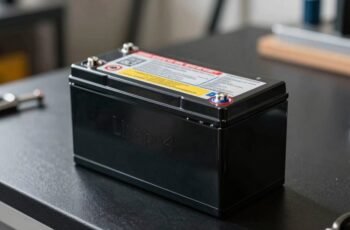
When it comes to using LiFePO4 batteries in RVs, safety must be our top priority. These batteries offer advantages like thermal stability and built-in protection features, but improper handling or installation can lead to serious issues. Understanding the key safety measures is crucial to prevent hazards and guarantee reliable operation. We’ll explore the critical aspects that help keep your RV system secure and what to watch for as you maintain your battery setup.
Key Takeaways
- Follow manufacturer guidelines for secure installation, proper polarity, and responsible handling to prevent internal damage and punctures.
- Regularly inspect batteries for swelling, unusual odors, or excessive heat, and disconnect if issues are detected.
- Use compatible chargers with proper voltage cutoffs and integrate a Battery Management System (BMS) for safe charging.
- Ensure proper ventilation and temperature control to prevent gas buildup and overheating during operation and storage.
- Equip the RV with circuit breakers, fuses, and fire extinguishers rated for electrical fires, and follow emergency shutdown procedures if needed.
Learn the Safety Features of Your RV LiFePO4 Battery
Understanding the safety features of your RV LiFePO4 battery is vital for secure operation and long-term reliability. The battery chemistry of LiFePO4 inherently offers stability, reducing the risk of thermal runaway compared to other lithium-ion types. Built-in safety mechanisms, such as electronic cell balancing and voltage regulation, help prevent overcharging and deep discharges. Additionally, integrated sensors monitor temperature and voltage, alerting users to potential issues early. Knowing emergency procedures is imperative—such as safely disconnecting the battery if overheating or damage occurs—to prevent escalation. These safety features, combined with proper understanding of the battery chemistry, ensure that you can operate your RV’s lithium system with confidence, maintaining safety during routine use and in unexpected situations.
How to Properly Install and Handle Your Lithium Battery
Proper installation and handling of your lithium battery are key to ensuring safety and ideal performance. Always follow manufacturer guidelines, secure connections tightly, and verify polarity before use. In emergencies, use the emergency shutdown feature to disconnect power swiftly, preventing damage or hazards. During installation, consider proper ventilation and avoid exposing the battery to extreme temperatures. For safety, implement protocols for battery recycling when the unit reaches end-of-life, preventing environmental harm. Use insulated tools to avoid short circuits and handle batteries with care to prevent punctures.
| Step | Precaution |
|---|---|
| 1 | Properly secure connections |
| 2 | Use emergency shutdown if needed |
| 3 | Avoid extreme temperatures |
| 4 | Follow battery recycling guidelines |
Prevent Overcharging and Keep Your Battery Safe
To guarantee your LiFePO4 battery remains safe and functions at its best, it’s essential to prevent overcharging. Overcharging can accelerate degradation, shortening battery lifespan and reducing the number of charging cycles it can endure. To mitigate this risk, use a high-quality, compatible charger with a precise cutoff voltage, typically around 14.6V. Implementing a Battery Management System (BMS) is imperative; it monitors voltage levels and disconnects charging once the limit is reached. Consistent overcharging can cause thermal stress and compromise safety. By carefully managing charge levels, you not only protect the battery’s integrity but also maximize its longevity, ensuring reliable performance over many charging cycles. Proper overcharge prevention is an essential step in maintaining your RV’s LiFePO4 battery safely.
Protect Your Battery From Damage and Short Circuits
Protecting your LiFePO4 battery from damage and short circuits is essential for ensuring safety and longevity. Proper handling prevents internal damage that could lead to thermal runaway or decreased capacity. Adhering to recommended charging protocols minimizes risk, while correct wiring and fuse use prevent shorts. Implementing a robust battery management system (BMS) further safeguards against overcurrent and voltage spikes. Additionally, responsible battery recycling guarantees hazardous materials are disposed of safely, reducing environmental hazards. Here’s a breakdown:
| Protection Method | Key Considerations | Benefits |
|---|---|---|
| Correct Wiring & Fuses | Use appropriate fuses and secure connections | Prevents shorts and electrical damage |
| Charging Protocols | Follow manufacturer guidelines | Avoids overcharge and damage |
| Battery Management System (BMS) | Monitor voltage and current levels | Ensures operational safety |
| Battery Recycling | Proper disposal and recycling | Protects environment and future use |
Keep Your RV Batteries Cool and Ventilated
Maintaining proper ventilation and temperature control is vital for Lifepo4 batteries’ safety and longevity in RVs. We must guarantee effective ventilation techniques, monitor and maintain an ideal temperature, and consider cooling accessories when necessary. These measures help prevent overheating and reduce the risk of thermal issues that can compromise battery performance.
Proper Ventilation Techniques
Ensuring proper ventilation is essential for keeping Lifepo4 batteries in your RV cool and preventing the buildup of potentially hazardous gases. Adequate airflow reduces heat accumulation and minimizes the risk of thermal runaway. When installing ventilation, consider passive vents or exhaust fans designed for battery compartments, ensuring continuous airflow. Regularly inspect ventilation pathways for obstructions, and be prepared for emergency shutdown procedures if abnormal heat or gas leaks are detected. Proper ventilation also supports safe battery recycling practices, preventing gas buildup during disposal. Remember, unventilated or poorly ventilated setups can lead to dangerous conditions. Maintaining a cautious approach, combined with routine checks, helps mitigate risks and ensures your RV’s battery system remains safe and reliable.
Maintain Ideal Temperature
Keeping RV batteries within a safe temperature range is essential for peak performance and longevity. Battery chemistry influences how Lifepo4 batteries respond to thermal fluctuations, making thermal regulation critical. Excessive heat accelerates chemical reactions, increasing the risk of capacity loss and potential safety hazards, while cold temperatures can impair chemical activity and reduce efficiency. To maintain ideal conditions, proper ventilation is vital, as it helps dissipate heat generated during charging and discharging cycles. Consistent temperature control minimizes stress on the battery’s internal components, prolonging lifespan and ensuring safe operation. Monitoring ambient conditions and avoiding exposure to extreme temperatures are necessary precautions. By managing thermal regulation diligently, we can safeguard our RV batteries against temperature-related degradation and maintain reliable performance over time.
Use Cooling Accessories
How can we effectively prevent overheating and promote proper ventilation of RV batteries? Using cooling accessories, like thermal management systems or fans, can help maintain ideal temperatures. These accessories improve airflow, reducing heat buildup that could compromise battery safety. Proper ventilation is vital, especially during prolonged use or in warm environments, to prevent thermal runaway. Incorporating cooling solutions also supports our emergency preparedness, making sure batteries remain stable during unexpected situations. Additionally, maintaining a cooling system facilitates responsible battery recycling by extending lifespan and reducing risk of damage. It’s important to monitor temperature regularly and use appropriate accessories to safeguard against overheating, which could otherwise lead to hazardous conditions. Prioritizing cooling measures ensures safe operation and longevity of our RV battery system.
Perform Regular Safety Checks and Maintenance
Regular safety checks and maintenance are essential to prevent potential hazards associated with LiFePO4 batteries in RVs. Routine inspections help identify corrosion, damaged terminals, or loose connections that could lead to short circuits or fires. Maintaining proper ventilation and monitoring temperature levels are critical for safety. Additionally, adhering to emergency procedures and understanding battery recycling protocols ensure responsible handling at end-of-life.
| Inspection Focus | Action Required |
|---|---|
| Terminal integrity | Tighten loose connections, clean corrosion |
| Temperature control | Check for overheating, ensure adequate cooling |
| Emergency readiness | Have fire extinguishers ready, know evacuation steps |
Consistent checks minimize risks and prolong battery life, emphasizing a cautious, technical approach to RV safety.
Identify and Respond to Signs of Battery Trouble
Recognizing early warning signs of battery trouble is vital for safety and performance. We need to be vigilant for indicators like unusual smells, excessive heat, or voltage drops. When these signs appear, following proper troubleshooting steps promptly can prevent potential hazards.
Recognize Warning Signs
Battery trouble often manifests through subtle signs that require careful attention. Recognizing these early warning signs is vital, especially considering our battery chemistry’s sensitivity. Abnormal heat, swelling, or unusual odors indicate potential issues needing immediate action. Voltage fluctuations or rapid capacity loss can signal internal problems. Such signs can compromise emergency preparedness and safety. Below, we’ve summarized key warning signs:
| Warning Sign | Possible Cause | Recommended Action |
|---|---|---|
| Excessive heat | Overcurrent or thermal runaway | Inspect and cool immediately |
| Swelling or bulging | Gas buildup due to malfunction | Isolate and replace |
| Foul odor | Gas leakage or damage | Ventilate and check connections |
| Voltage irregularities | Battery chemistry instability | Consult a professional |
Remaining vigilant helps prevent serious consequences and guarantees safe RV operation.
Proper Troubleshooting Steps
When signs of trouble arise, it’s vital to follow a systematic approach to diagnose and address potential issues safely. First, verify charger compatibility to confirm the charger matches the Lifepo4 battery specifications, preventing overcharging or undervoltage risks. Next, monitor for abnormal temperature increases, swelling, or unusual voltage drops, which could indicate internal damage or faulty connections. If suspected, disconnect the battery and avoid using it until the issue is resolved. Proper troubleshooting also involves inspecting wiring for corrosion or loose contacts. When the battery reaches end-of-life or after multiple troubleshooting attempts, responsible battery recycling is imperative to prevent environmental harm. Always follow manufacturer guidelines and safety protocols during troubleshooting to mitigate risks and preserve battery integrity.
Store Your Batteries Safely for Long-Term Use
To guarantee the longevity and safety of your LiFePO4 batteries during extended periods of storage, it’s essential to follow proper procedures. Confirm batteries are stored in a clean, dry, and well-ventilated environment, ideally within a suitable storage container that prevents physical damage and moisture ingress. Maintain a partial state of charge—around 50-70%—to reduce stress on the cells and prevent capacity loss. Regularly inspect batteries for signs of swelling or corrosion, and consider safe battery recycling if they reach the end of their lifespan. Avoid storing batteries near flammable materials or in extreme temperatures. Proper storage practices minimize safety risks and preserve battery health, making long-term use more reliable and efficient.
Choose the Right Safety Gear and Accessories for Your RV System
Ensuring safety in your RV’s electrical system requires selecting the appropriate safety gear and accessories designed to mitigate risks associated with LiFePO4 batteries. This includes installing proper fuses, circuit breakers, and disconnect switches to protect against electrical faults. Adequate emergency preparedness involves having fire extinguishers rated for electrical fires readily accessible, along with personal protective equipment like insulated gloves. Properly rated wiring and secure connections are critical to prevent short circuits and overheating. Regular inspection of electrical wiring and safety gear ensures ongoing reliability. By integrating these safety accessories and maintaining vigilant electrical wiring practices, we can substantially reduce the hazards associated with lithium iron phosphate batteries and enhance overall RV safety during travel and emergencies.
Conclusion
Just like a carefully maintained engine keeps a vehicle running smoothly, our RV LiFePO4 batteries require vigilant care to guarantee safety. Regular inspections and proper handling prevent small issues from becoming disasters—much like catching a leak before it floods the engine. By staying attentive and following safety protocols, we protect our journey and loved ones, turning our RV into a reliable, safe haven on the road. Safety isn’t just a precaution—it’s our best safeguard.