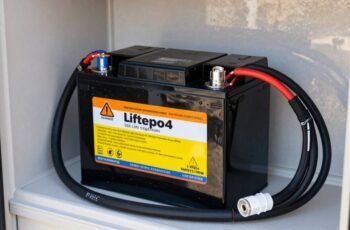
We recognize that choosing the right energy storage solution for home use involves careful consideration of safety, longevity, and cost-effectiveness. LiFePO4 batteries have gained attention for their stable chemistry and durability, but understanding their true performance and limitations remains essential. As we explore their technical attributes and practical implications, you’ll see why this technology might be a compelling option—and what factors could influence its suitability for your specific needs.
Key Takeaways
- LiFePO4 batteries offer high safety, thermal stability, and resistance to overheating, making them suitable for home environments.
- They have a long cycle life (2,000–5,000 cycles), ensuring durability and reliable performance for home energy storage.
- Their fast charging and minimal maintenance make them convenient for continuous solar energy use at home.
- Although more expensive upfront, their longevity and safety benefits justify the investment for home systems.
- Proper installation and thermal management are essential to maximize safety, lifespan, and efficiency in home applications.
What Are LiFePO4 Batteries and How Do They Work?
LiFePO4 batteries, also known as lithium iron phosphate batteries, are a type of rechargeable lithium-ion battery distinguished by their cathode chemistry. Their unique chemistry enhances stability and safety, making them an effective choice for various applications. Regarding battery technology, LiFePO4 cells utilize phosphate-based cathodes, which contribute to a longer cycle life and superior thermal stability. This stability directly impacts energy efficiency, as these batteries can sustain high charge and discharge rates with minimal degradation over time. Their inherent chemical properties minimize risks like thermal runaway, ensuring safer operation. Overall, LiFePO4 batteries combine advanced battery technology with high energy efficiency, making them particularly suitable for home energy storage systems where reliability, longevity, and safety are paramount.
Are LiFePO4 Batteries Safe for Home Use?
LiFePO4 batteries are known for their high thermal stability, which reduces the risk of overheating and related safety concerns. However, improper handling or storage can still lead to fire or explosion hazards, making proper procedures essential. By understanding these safety aspects, homeowners can better assess the suitability of LiFePO4 for their applications.
Thermal Stability and Safety
Is thermal stability a vital factor when evaluating the safety of batteries for home use? Absolutely. LiFePO4 batteries demonstrate excellent thermal stability due to their chemical composition, reducing risks associated with overheating. Effective thermal management systems are essential to maintain consistent operating temperatures, preventing thermal runaway. These systems often include built-in cooling mechanisms and temperature sensors that trigger safety protocols if conditions become unsafe. Such protocols are designed to mitigate heat buildup and guarantee safe operation under various conditions. While LiFePO4 batteries are inherently safer, adherence to proper thermal management practices and rigorous safety protocols is indispensable for home installations. This combination minimizes potential thermal hazards, making LiFePO4 batteries a reliable choice for safe, long-term home energy storage.
Risk of Fire or Explosion
Certainly, understanding the fire and explosion risks associated with home energy storage is essential when evaluating battery safety. LiFePO4 batteries are inherently thermally stable, reducing the likelihood of thermal runaway that can cause fires or explosions. However, manufacturing safety remains critical; poor manufacturing practices can introduce defects, increasing risk. Proper quality control minimizes internal short circuits that might lead to dangerous failures. Additionally, safe battery recycling practices prevent hazardous residues that could ignite if improperly handled. Although LiFePO4 chemistry is less prone to combustion compared to other lithium-ion types, system failures or damage can still pose risks. Overall, with rigorous manufacturing safety protocols and responsible recycling, LiFePO4 batteries present a relatively low risk of fire or explosion for home use, provided they are integrated and maintained properly.
Proper Handling and Storage
Proper handling and storage are crucial to guaranteeing the safety of LiFePO4 batteries in a home environment. Proper procedures minimize risks associated with thermal runaway or damage, especially during the manufacturing process, where quality control is essential. Correct storage involves keeping batteries in a cool, dry place away from direct sunlight and heat sources, which can degrade internal components. Additionally, safe handling includes avoiding punctures or mechanical shocks that could compromise cell integrity. Responsible battery recycling is essential to prevent environmental hazards and ensure sustainable disposal. Following manufacturer recommendations and adhering to safety protocols during installation and maintenance reduce potential hazards. Ultimately, meticulous handling and strategic storage practices bolster the safety profile of LiFePO4 batteries for residential use.
How Long Do LiFePO4 Batteries Last at Home?
The longevity of LiFePO4 batteries at home heavily depends on their cycle life, which typically ranges from 2,000 to 5,000 cycles. Proper maintenance and careful care can considerably extend their usable lifespan, ensuring consistent performance over time. Understanding these factors allows us to better predict their durability and optimize their value in a home setting.
Battery Cycle Life
LiFePO4 batteries are known for their impressive cycle life, making them a popular choice for home energy storage. Their battery longevity considerably exceeds that of traditional lead-acid options, offering more charge-discharge cycles before capacity diminishes. Typically, LiFePO4 batteries provide around 2,000 to 5,000 cycles, which translates to 5 to 15 years of reliable service depending on usage patterns. This lifespan comparison highlights their durability and cost-effectiveness over time. Factors influencing cycle life include:
- Depth of discharge (DoD)
- Operating temperature
- Charge/discharge rates
- Overall system quality
Understanding these variables helps maximize battery lifespan, ensuring sustained performance and long-term value for home energy solutions.
Maintenance and Care
Maintaining LiFePO4 batteries effectively guarantees they reach their maximum lifespan and deliver consistent performance over time. Proper care involves monitoring battery aesthetics to detect signs of physical wear or corrosion that could impact function. Additionally, user-friendly interfaces enable easy tracking of voltage, temperature, and state of charge, facilitating proactive management. Regularly balancing cells prevents capacity loss and extends longevity. Confirming the battery remains within ideal temperature ranges, especially during charging and discharging cycles, minimizes degradation. Clean connections and secure enclosures also prevent environmental damage. Overall, attentive maintenance, combined with accessible, intuitive interfaces, enhances durability, guaranteeing LiFePO4 batteries consistently meet expected lifespan benchmarks in home applications.
What Are the Costs and Installation Steps for Home LiFePO4 Batteries?
Understanding the costs and installation process of home LiFePO4 batteries requires a detailed assessment of both initial investment and technical requirements. The upfront expense varies based on capacity, quality, and brand, typically ranging from $3,000 to $10,000 for a complete system. Installation involves:
- Site assessment for best placement
- Electrical wiring and system integration
- Compatibility with existing energy infrastructure
- Confirming compliance with safety standards
While the initial investment might seem high, energy efficiency gains and longer lifespan offset costs over time. Additionally, considering battery recycling options enhances sustainability, reducing environmental impact. Proper installation ensures maximum performance and safety, essential for leveraging LiFePO4’s benefits in energy storage. This process demands technical expertise, emphasizing the importance of professional consultation to maximize system efficiency.
How Do Lifepo4 Batteries Perform With Solar Power?
When paired with solar power systems, LiFePO4 batteries demonstrate highly reliable performance due to their stable chemistry and efficient energy management. They optimize charge and discharge cycles, maintaining consistent power output essential for solar integration. While their battery aesthetics are compact and sleek, blending well with modern setups, installation challenges remain. Proper thermal management and secure mounting are critical to maximize lifespan and safety, especially in outdoor environments. LiFePO4’s high cycle life and minimal maintenance enhance their suitability for continuous solar use, ensuring long-term energy storage. Their predictable performance under variable weather conditions makes them a dependable choice. Overall, these batteries effectively complement solar systems, providing stable, efficient, and durable energy storage solutions for home use.
Can LiFePO4 Batteries Power My Home During Outages?
LiFePO4 batteries are well-suited for powering homes during outages due to their high energy density, stable chemistry, and reliable performance under fluctuating loads. They can supply consistent power, making them ideal for backup scenarios. Proper battery maintenance guarantees longevity and peak energy efficiency, especially during prolonged outages. Key considerations include regular system checks, temperature management, and monitoring state of charge. These batteries are capable of supporting essential appliances and critical systems seamlessly.
- Efficient energy storage minimizes power loss during outages
- Low degradation rate means longer system lifespan
- Stable chemistry ensures safety and consistent output
- Easy integration with existing home energy setups
What Are the Environmental Benefits of Using LiFePO4 Batteries at Home?
Because of their environmentally friendly chemistry, LiFePO4 batteries substantially reduce the ecological impact associated with energy storage. They produce fewer toxic emissions during manufacturing and disposal compared to traditional lithium-ion batteries, minimizing environmental hazards. Their longer lifespan reduces waste, decreasing the frequency of replacements and associated resource consumption. Additionally, their stable chemistry allows for safer operation, lowering the risk of environmental contamination. From an indoor aesthetics perspective, LiFePO4 batteries can be integrated seamlessly into home environments, often featuring sleek designs and battery color options that blend with interior decor. This aesthetic flexibility encourages eco-conscious choices without sacrificing style. Overall, their reduced ecological footprint and design versatility make LiFePO4 batteries a responsible choice for sustainable home energy solutions.
What Are the Limitations of LiFePO4 Batteries for Residential Use?
While LiFePO4 batteries offer many advantages, their limitations in residential applications are significant. High upfront costs and space requirements can constrain installation, and their specific charging and discharging parameters necessitate careful management. Understanding these constraints is essential for evaluating their suitability for home energy systems.
Cost and Budget Constraints
Despite their many advantages, the upfront costs of LiFePO4 batteries pose a significant barrier for residential applications. The higher initial investment can outweigh immediate energy efficiency benefits, especially for budget-conscious homeowners. While these batteries offer superior cycle life and safer chemistry, their cost limits widespread adoption. Key considerations include:
- Higher initial capital expenditure compared to traditional lead-acid options.
- Longer payback periods, requiring careful analysis of potential cost savings over time.
- Limited affordability for small-scale or temporary installations.
- Potential for reduced overall system costs through improved energy efficiency and longer lifespan.
These factors highlight the importance of evaluating long-term benefits against upfront expenses, as savings in maintenance and replacement may offset initial costs over the battery’s lifespan.
Space and Installation Needs
LiFePO4 batteries, although compact and efficient, present specific spatial and installation challenges for residential use. Their placement requires careful consideration of interior design, as they demand dedicated space that may disrupt aesthetic integration. While their modular design allows for flexible configurations, the need for ventilation, secure mounting, and accessible wiring can complicate installation in confined or visually sensitive areas. Additionally, the size of battery banks to meet energy demands might necessitate significant space, impacting existing interior layouts. Proper planning guarantees safety and performance but can limit options for discreet integration within home environments. Consequently, homeowners must balance the technical requirements of LiFePO4 systems with their desired aesthetic and spatial constraints, often requiring customized installation solutions.
Charging and Discharging Limits
LiFePO4 batteries operate within specific charging and discharging limits that directly impact their suitability for residential applications. Exceeding these parameters can reduce battery lifespan and efficiency. Typically, they should be charged to around 3.65-3.7V per cell and not discharged below 2.5V per cell to avoid damage. Limitations include:
- Charging infrastructure dependence, requiring compatible chargers to prevent overcharging.
- Discharge restrictions, which prevent deep cycling that could harm battery health.
- Potential challenges with battery recycling, as improper disposal affects sustainability.
- Temperature sensitivity, impacting performance during extreme weather.
Understanding these limits is essential for ideal use, ensuring longevity and safety. Proper management also facilitates effective battery recycling at end-of-life, supporting environmentally responsible home energy solutions.
How Do LiFePO4 Batteries Compare to Other Home Energy Storage Options?
When evaluating home energy storage options, it’s important to compare their technical specifications, lifespan, safety profiles, and cost-effectiveness. LiFePO4 batteries excel in energy efficiency due to their high cycle life and stable performance, reducing long-term operational costs. They also prioritize safety, with thermally stable chemistry that minimizes fire risks. Compared to lead-acid systems, LiFePO4 offers superior longevity and faster charging capabilities. Additionally, battery recycling is a key consideration; LiFePO4 batteries are more environmentally friendly, with less hazardous waste and easier recycling processes. While initial costs may be higher than traditional options, their extended lifespan and reduced maintenance make them a competitive choice for sustainable, reliable home energy storage.
What Homeowners Should Know Before Installing LiFePO4 Battery Systems
Before installing a lithium iron phosphate (LiFePO4) battery system, homeowners must thoroughly assess their energy needs, system compatibility, and local regulations. Understanding battery technology and how it impacts overall energy efficiency is vital. Proper evaluation guarantees the system meets demand without overspending or underperforming.
Consider these factors:
- Compatibility with existing solar or energy systems
- Local codes and permitting requirements
- Total capacity needed for household energy use
- Long-term maintenance and safety protocols
Conclusion
In conclusion, LiFePO4 batteries serve as a reliable backbone for home energy systems, combining safety, longevity, and environmental benefits. While their initial investment might seem steep, their durability and performance make them a wise choice—like planting a sturdy tree that yields shade for years. As we weigh their advantages against limitations, it’s clear that with proper planning, LiFePO4 batteries can transform our homes into resilient, sustainable energy hubs—anchored in innovation for the future.