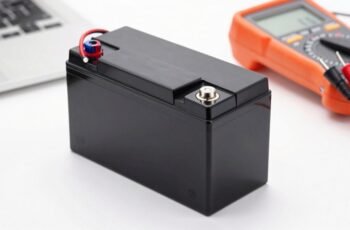
Imagine installing a LiFePO4 battery system in a basement, unaware of the potential risks involved. Proper safety measures are critical to prevent overheating, gas buildup, or electrical faults that could lead to fire or damage. Ensuring correct installation, adequate ventilation, and regular maintenance is essential. If you’re considering indoor use, understanding these safety protocols can make all the difference in protecting your property and personnel—so it’s important to get the details right.
Key Takeaways
- Ensure proper ventilation and temperature control to prevent heat buildup and gas accumulation indoors.
- Use certified, properly rated chargers and avoid overcharging or charging in confined spaces.
- Install batteries on stable, vibration-free surfaces with adequate clearance for cooling and maintenance.
- Regularly inspect batteries for damage, corrosion, and monitor temperature and voltage levels.
- Follow safety protocols, including protective gear, safe handling, and proper disposal or recycling at end-of-life.
Why Indoor LiFePO4 Batteries Require Special Safety Care
Indoor LiFePO4 batteries demand special safety precautions because their confined environment can amplify risks associated with thermal runaway, gas emission, or electrical faults. The battery chemistry of LiFePO4 is inherently stable, but improper management or damage can still lead to safety issues indoors. Limited space restricts heat dissipation, increasing the potential for thermal buildup. Adequate indoor ventilation is essential to prevent the accumulation of any gases released during abnormal conditions, even though LiFePO4 batteries produce minimal gas under normal operation. Ensuring proper ventilation helps maintain safe temperature levels and reduces the risk of hazardous gas concentrations. Recognizing these factors emphasizes the importance of implementing safety measures tailored to the unique environment of indoor battery storage.
How to Properly Install Your Indoor LiFePO4 Battery System
Proper installation of your LiFePO4 battery system is critical to guarantee safety, efficiency, and longevity. Following strict installation guidelines minimizes risks such as thermal runaway or electrical faults. Select a stable, vibration-free surface with adequate clearance for ventilation and future maintenance. Use properly rated wiring and secure connections to prevent accidental disconnections or shorts. Implement appropriate circuit protection, including fuses and disconnect switches. Incorporate environmental considerations, avoiding moisture and extreme temperatures. When the battery reaches the end of its lifespan, adhere to proper battery recycling protocols, preventing environmental harm. By following these guidelines, you assure a safe, reliable, and sustainable indoor LiFePO4 battery system that maximizes lifespan and performance.
Ventilation and Temperature Tips for Safe Indoor Battery Use
Effective ventilation is crucial to prevent heat buildup and guarantee safe operation of indoor LiFePO4 batteries. Maintaining ideal temperature ranges, typically between 0°C and 40°C, minimizes the risk of thermal issues. We will now explore best practices for ventilation and temperature management to enhance safety and battery longevity.
Proper Ventilation Practices
Have you considered how essential adequate ventilation is when using LiFePO4 batteries indoors? Proper ventilation guarantees that any potential off-gassing or heat buildup is effectively dispersed, maintaining safe operational conditions. Insufficient airflow can lead to elevated temperatures, which may accelerate battery degradation and reduce overall battery capacity over multiple charging cycles. Maintaining a well-ventilated environment helps regulate internal temperatures, preventing thermal stress that could compromise battery integrity. Additionally, proper airflow minimizes the risk of hazardous gas accumulation, ensuring ongoing safety for indoor use. Regularly checking ventilation pathways and avoiding enclosed spaces can optimize battery lifespan, preserve capacity, and promote safe, reliable performance throughout the battery’s lifecycle.
Optimal Temperature Settings
Maintaining the ideal temperature range is essential for guaranteeing the safe and efficient operation of LiFePO4 batteries indoors. Temperature influences battery capacity, charging cycles, and overall lifespan. Excessive heat accelerates capacity loss and shortens cycle life, while cold temperatures reduce effective performance and charging efficiency. To optimize safety and longevity, keep ambient temperatures between 15°C and 25°C. Proper ventilation helps regulate heat buildup during charging and discharging, preventing thermal stress.
- Avoid placing batteries near heat sources or direct sunlight
- Use temperature sensors for real-time monitoring
- Ensure adequate airflow around battery compartments
- Implement cooling systems if operating in warm environments
- Regularly check for temperature fluctuations during use
Adhering to these guidelines preserves battery capacity, extends charging cycles, and maintains safe indoor conditions.
Handling and Maintaining Your LiFePO4 Batteries Safely
To guarantee safety when handling LiFePO4 batteries, it’s essential to follow strict protocols that prevent damage and minimize risks. Proper maintenance ensures longevity and safe operation, especially in indoor lighting systems. Always use appropriate protective gear during handling, avoid mechanical impacts, and store batteries in ventilated areas. Regularly inspect for corrosion or damage, and adhere to manufacturer recommendations. When recycling batteries, follow proper disposal procedures to prevent environmental hazards. Properly managing battery charge levels prevents over-discharge and thermal issues.
| Handling Protocols | Maintenance Tips |
|---|---|
| Use insulated tools | Keep terminals clean |
| Avoid impact or puncture | Monitor voltage regularly |
| Store in ventilated space | Charge within recommended limits |
| Wear protective gear | Recycle responsibly |
| Keep away from heat | Ensure proper indoor lighting |
Common Indoor Battery Hazards and How to Avoid Them
Indoor environments can present specific hazards for LiFePO4 batteries, primarily due to the potential buildup of heat, accumulation of gases, and the risk of electrical fires if mishandled. Improper indoor storage can lead to overheating, especially if batteries are exposed to direct sunlight or high temperatures. Additionally, inadequate ventilation may cause gas accumulation during battery recycling or disposal, increasing explosion risks. Mismanagement of damaged or swollen batteries can result in thermal runaway. To mitigate these hazards, guarantee proper ventilation, avoid overcharging, and store batteries in fire-resistant enclosures. Regular inspection for signs of damage, maintaining appropriate temperature conditions, and following manufacturer guidelines are critical for safety. Proper handling of LiFePO4 batteries indoors minimizes risks associated with gas buildup, heat, and potential fires.
Preventing Fires and Other Risks Indoors
Effective ventilation reduces the accumulation of heat and gases during battery operation, minimizing fire risk. Adhering to safe charging procedures guarantees batteries do not overheat or become damaged, preventing thermal runaway. Implementing these practices is essential for maintaining indoor safety with Lifepo4 batteries.
Proper Ventilation Practices
Ensuring proper ventilation is critical for minimizing the risk of fire and other hazards associated with LiFePO4 batteries indoors. Adequate airflow prevents the accumulation of potentially hazardous gases, which can compromise battery lifespan and reduce energy efficiency. Proper ventilation also maintains ideal operating temperatures, preventing thermal degradation. To achieve this, consider these practices:
- Install vents or exhaust fans near battery enclosures
- Use air exchange systems to continuously circulate indoor air
- Avoid confined spaces with limited airflow
- Regularly inspect ventilation pathways for obstructions
- Monitor temperature and gas levels to ensure safety
Implementing these measures ensures safe operation, preserves battery health, and maintains energy efficiency by preventing overheating and gas buildup.
Safe Charging Procedures
Proper ventilation reduces the risk of gas accumulation and overheating, but safe charging practices are equally essential to prevent fires and other hazards indoors. To guarantee safety, we must adhere to the battery chemistry specifications and use chargers compatible with Lifepo4 batteries. Correct charger compatibility ensures proper voltage regulation and current limiting, preventing overcharging or thermal runaway. Always verify that the charger is designed for Lifepo4 chemistry, as incompatible chargers can cause damage or safety risks. Additionally, avoid charging in confined or flammable environments, and monitor the charging process for irregularities such as excessive heat or swelling. Implementing these precise procedures minimizes the risk of fire or damage, maintaining a safe indoor environment when handling Lifepo4 batteries.
Monitoring Battery Health for Safety and Longevity
Monitoring the health of LiFePO4 batteries is essential for maintaining safety and extending their lifespan. Regular diagnostics help identify performance degradation, internal faults, or capacity loss that could compromise safety. Key indicators include voltage consistency, temperature fluctuations, and internal resistance levels. Implementing battery management systems (BMS) ensures real-time data collection, enabling proactive maintenance. This monitoring also supports emergency preparedness by detecting early signs of potential failure, reducing fire risk. Additionally, understanding battery condition facilitates responsible battery recycling, minimizing environmental impact. Maintaining ideal health prevents hazardous situations indoors and prolongs usable life. Consistent monitoring, combined with proper safety protocols, ensures safe indoor operation of LiFePO4 batteries while preserving their functional integrity over time.
What to Do if an Emergency Happens With Your Indoor Battery
Despite our best efforts to maintain battery health, emergencies can still occur. In such cases, immediate safety measures are critical. First, isolate the battery from power sources and ventilate the area to disperse any potential gases. Use appropriate fire suppression methods, such as a Class D fire extinguisher, if a fire develops. Avoid water contact, as it may worsen the situation. After addressing the immediate threat, prioritize emergency preparedness by evaluating the damage and ensuring personal safety. Proper disposal and battery recycling are essential for environmental safety; never dispose of damaged Lifepo4 batteries in regular trash. Document the incident for future review, and consult professionals for damage assessment. This approach minimizes risks and supports responsible handling post-emergency.
Regulations and Best Practices for Safe Indoor LiFePO4 Battery Use
To guarantee safe indoor use of LiFePO4 batteries, adherence to established regulations and industry best practices is essential. These include verifying manufacturer certifications, which ensure product quality and safety standards. Properly managing battery recycling minimizes environmental impact and reduces hazards. Making certain adequate ventilation prevents heat buildup and potential thermal runaway. Following manufacturer guidelines for installation and maintenance mitigates risks associated with misuse. Additionally, choosing UL-listed or certified batteries enhances safety assurance. Regular inspection for damage or corrosion is crucial.
- Confirm manufacturer certifications for quality assurance
- Follow local regulations on battery storage and disposal
- Implement proper ventilation and temperature controls
- Prioritize battery recycling to reduce hazards
- Adhere to manufacturer installation and maintenance protocols
Conclusion
Ensuring indoor safety with LiFePO4 batteries is vital for preventing hazards like fires or thermal runaway. For example, a homeowner who neglected proper ventilation experienced overheating, highlighting the importance of airflow and regular inspections. By following best practices—adequate ventilation, temperature monitoring, and adherence to safety regulations—we can greatly reduce risks. Proactive management not only safeguards your space but also extends your battery’s lifespan, ensuring reliable, safe energy storage for the long term.