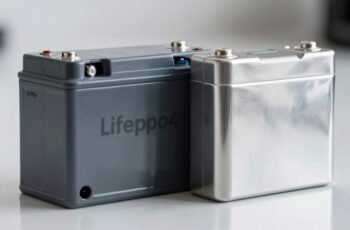
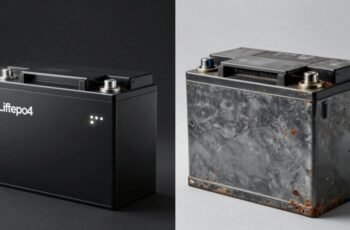
When comparing LiFePO4 and lithium-ion batteries, it’s essential to take into account their technical strengths and limitations in real-world applications. Both offer unique advantages, but their suitability often depends on factors like safety, lifespan, and cost. As we analyze these aspects, it becomes clear that choosing the right battery involves balancing performance with sustainability. Understanding these nuances can influence your decision, but the key considerations might not be as straightforward as they seem.
Key Takeaways
- LiFePO4 offers superior thermal stability and safety, reducing fire and explosion risks compared to lithium-ion.
- Lithium-ion batteries have higher energy density, making them better for space-constrained applications.
- LiFePO4 batteries have a longer cycle life, resulting in greater durability and lower long-term replacement costs.
- LiFePO4 is more environmentally friendly and easier to recycle due to fewer toxic materials.
- While initially more expensive, LiFePO4 provides better long-term value through extended lifespan and safety.
What Are LiFePO4 and Lithium-Ion Batteries?
LiFePO4 and lithium-ion batteries are both rechargeable energy storage systems that utilize lithium chemistry, but they differ considerably in composition and performance characteristics. LiFePO4 batteries employ lithium iron phosphate as the cathode, offering enhanced thermal stability and longer cycle life, while lithium-ion variants typically use cobalt or nickel-based cathodes, providing higher energy density. From an environmental impact perspective, LiFePO4 batteries are advantageous due to reduced toxicity and safer handling, facilitating easier battery recycling processes. Conversely, lithium-ion batteries pose greater challenges in recycling because of their complex chemistries and hazardous materials. Understanding these differences is crucial for evaluating their sustainability, especially considering the environmental footprint associated with battery manufacturing, usage, and disposal.
How Safe Are LiFePO4 Compared to Lithium-Ion Batteries?
Although both LiFePO4 and lithium-ion batteries are generally considered safe when properly used, their safety profiles differ markedly due to chemical composition and thermal stability. LiFePO4 batteries exhibit higher thermal stability, reducing the risk of thermal runaway. This makes them less prone to fires or explosions, especially under stress. Regarding environmental impact, LiFePO4 batteries are more eco-friendly because they contain less toxic materials and are easier to recycle, improving battery recycling processes. Conversely, lithium-ion batteries pose a higher risk of fire and contain hazardous materials, complicating disposal and recycling efforts.
In summary:
- LiFePO4 offers greater thermal stability and safety.
- Lithium-ion batteries pose increased fire hazards.
- Both impact battery recycling and environmental sustainability differently.
Durability and Lifespan: Which Battery Lasts Longer?
When evaluating the durability and lifespan of these batteries, it’s essential to take into account their charge-discharge cycles and overall stability over time. Lithium Iron Phosphate (LiFePO4) batteries typically offer around 2,000 to 3,000 cycles, maintaining capacity longer than standard lithium-ion batteries, which average 500 to 1,000 cycles. This enhanced cycle life translates into a longer operational lifespan and fewer replacements, reducing environmental impact. Additionally, LiFePO4 batteries are more stable, less prone to thermal runaway, and easier to recycle, promoting better battery recycling practices. Lithium-ion batteries, while initially more energy-dense, tend to degrade faster, increasing waste and environmental concern. Consequently, in terms of durability and lifespan, LiFePO4 batteries present a more sustainable option for long-term use.
LiFePO4 vs Lithium-Ion: Cost and Performance Comparison
While LiFePO4 batteries generally have higher upfront costs, they often deliver better long-term value due to their superior performance and durability. Their cost-effectiveness becomes evident over time through:
- Reduced replacement frequency, decreasing overall lifecycle expenses.
- Enhanced stability, ensuring consistent performance in demanding applications.
- Lower environmental impact, as improved battery recycling processes mitigate toxic waste and reduce ecological footprint.
LiFePO4’s durability minimizes waste, making it more sustainable compared to lithium-ion batteries, which often require more frequent replacements. Although initial investment is higher, the long-term savings and reduced environmental impact make LiFePO4 a compelling choice. When evaluating cost and performance, it’s crucial to consider not only purchase price but also lifecycle costs and environmental responsibilities.
Choosing the Right Battery for Your Needs
Choosing the right battery depends on evaluating your specific application requirements, including performance demands, budget constraints, and environmental considerations. For instance, if minimizing environmental impact is a priority, LiFePO4 batteries offer advantages due to their longer lifespan and safer chemistry, which also facilitates easier battery recycling. Conversely, lithium-ion batteries may provide higher energy density, suitable for space-constrained applications. When selecting, consider the lifecycle and recyclability of the battery, as sustainable disposal reduces ecological footprint. Additionally, understanding the environmental implications of manufacturing and disposal is vital for responsible choices. Ultimately, balancing performance needs with environmental impact and recycling options ensures ideal selection, aligning technical specifications with sustainability goals and long-term operational efficiency.
Conclusion
In weighing LiFePO4 against lithium-ion batteries, we see a battle of the strengths—safety and longevity versus energy density. While lithium-ion cells pack more power into smaller spaces, LiFePO4 offers a steady, reliable heartbeat for long-term sustainability. Ultimately, choosing the right battery depends on your priorities: if safety, durability, and eco-friendliness are your compass, LiFePO4 stands as the clear victor in this technological race.