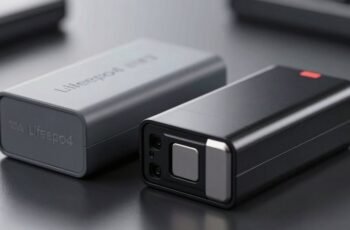
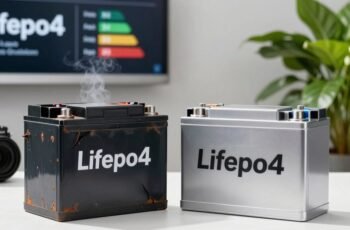
When choosing an RV battery, understanding the fundamental differences between Lithium Iron Phosphate (LiFePO4) and lead-acid batteries is essential for ideal performance and safety. LiFePO4 batteries offer higher energy density, longer lifespan, and better cold-weather operation, but come with higher initial costs. Lead-acid batteries, while more affordable upfront, face limitations in durability and efficiency. Exploring these distinctions can greatly impact your RV’s reliability and long-term costs—let’s examine how each type stacks up in real-world applications.
Key Takeaways
- LiFePO4 batteries offer higher energy density, longer lifespan, and better cold-weather performance compared to lead-acid batteries.
- Although more expensive upfront, LiFePO4’s durability reduces long-term replacement costs and environmental impact.
- Lead-acid batteries are heavier, bulkier, and require regular maintenance, whereas LiFePO4 is lighter and maintenance-free.
- LiFePO4 batteries are safer, with lower thermal runaway risk, making them a preferable choice for RV safety.
- Lead-acid batteries are cheaper initially but have shorter lifespans, making them less cost-effective over time.
How Do Lithium Iron Phosphate and Lead-Acid RV Batteries Differ?
While both lithium iron phosphate (LiFePO4) and lead-acid batteries serve as dependable power sources for RVs, they differ markedly in their chemical composition, performance characteristics, and lifecycle management. Lithium iron phosphate batteries utilize a stable chemical chemistry that offers higher energy density and deeper cycle capabilities, translating to more efficient energy storage and longevity. In terms of charging compatibility, LiFePO4 batteries tolerate faster, more flexible charging profiles and are less sensitive to overcharging, unlike traditional lead-acid batteries, which require careful voltage regulation to prevent damage. The chemical stability of LiFePO4 also reduces thermal runaway risks, making it safer for RV applications. Overall, understanding these distinctions helps optimize your RV’s power system, especially considering battery chemistry and charging needs.
Which RV Battery Is More Cost-Effective?
When evaluating cost-effectiveness, we consider both initial purchase price and long-term savings from durability and maintenance. Lithium iron phosphate (LiFePO4) batteries typically have higher upfront costs but offer longer cycle life and lower replacement frequency. Conversely, lead-acid batteries are cheaper initially but may incur higher costs over time due to shorter lifespan and increased maintenance needs.
Initial Purchase Cost
Have you considered the upfront costs when selecting an RV battery? Lifepo4 batteries typically have a higher initial purchase price—often two to three times that of lead-acid batteries—due to advanced chemistry and manufacturing processes. However, they offer longer cycle life, which can offset the initial expense over time. Lead-acid batteries are cheaper upfront but require more frequent replacements, increasing long-term costs. Regarding environmental impact, Lifepo4 batteries are more sustainable due to their longer lifespan and easier battery recycling processes, reducing waste and ecological footprint. Conversely, lead-acid batteries pose greater environmental concerns because of hazardous lead and acid components. When evaluating initial purchase costs, it’s crucial to consider these environmental considerations alongside the purchase price to make a thorough, cost-effective decision.
Long-Term Savings
Considering the higher initial investment in Lifepo4 batteries, evaluating long-term savings becomes essential to determine overall cost-effectiveness. Lifepo4’s superior cycle life—typically 2000-5000 cycles—reduces replacement frequency compared to lead acid, decreasing costs over time. Additionally, Lifepo4 batteries have a lower environmental impact due to safer materials and easier battery recycling, minimizing waste and ecological harm. Their higher efficiency reduces energy loss, lowering operational expenses. Conversely, lead acid batteries require frequent replacements, increasing cumulative costs. The table below compares key factors:
| Aspect | Lifepo4 | Lead Acid |
|---|---|---|
| Cycle Life | 2000-5000 cycles | 500-1000 cycles |
| Replacement Cost | Lower over lifespan | Higher due to frequent replacements |
| Environmental Impact | Lower, easier recycling | Higher, more hazardous waste |
| Efficiency | ~95% | ~85% |
| Operating Costs | Reduced over time | Higher long-term costs |
This analysis underscores Lifepo4’s long-term economic and environmental advantages.
How Long Do These Batteries Last, and What Maintenance Do They Need?
Lifepo4 and lead acid batteries differ markedly in their longevity and maintenance requirements, impacting their suitability for RV applications. Lifepo4 batteries typically last 8-10 years with proper care, while lead acid batteries often require replacement every 3-5 years. Lifepo4 cells exhibit minimal capacity loss over multiple cycles, reducing the need for frequent maintenance like watering or equalization. Lead acid batteries demand regular checks for corrosion, electrolyte levels, and terminal cleanliness to guarantee longevity. Regarding environmental impact, Lifepo4 batteries are more environmentally friendly due to their non-toxic chemistry and higher recyclability, contributing less to battery recycling waste. Lead acid batteries contain hazardous materials, making proper disposal and recycling critical to minimize environmental harm. Proper maintenance and recycling practices directly influence both battery lifespan and ecological footprint.
How Do Weight and Size Impact Your RV Battery Choice?
Weight and size are critical factors when selecting an RV battery because they directly influence the vehicle’s overall payload capacity, handling, and interior space utilization. Heavier lead-acid batteries add to payload, potentially reducing storage and affecting handling, while Lifepo4 batteries are particularly lighter, optimizing space and weight distribution. Smaller dimensions facilitate easier battery installation and simplify compartment design, especially in constrained spaces. Power capacity is also impacted; larger batteries often deliver higher output, but size and weight constraints may limit capacity choices. When choosing between battery types, we must consider how weight affects overall RV performance and how size influences installation options. Prioritizing lighter, compact batteries can enhance payload capacity and streamline battery installation, improving overall vehicle efficiency.
Which Battery Performs Better in Cold Weather?
Cold weather considerably impacts battery performance, making it a key factor in choosing the right type for RV use. Lifepo4 batteries generally maintain higher capacity and deliver more reliable power at low temperatures compared to lead-acid batteries, which suffer from significant voltage drops and reduced capacity. Lifepo4’s chemistry allows for better cold-weather operation, with less risk of freezing and damage. Additionally, Lifepo4 batteries have a longer lifespan, supporting more effective battery recycling and reducing environmental impact over time.
- Lower internal resistance at cold temperatures
- Reduced risk of freezing damage
- Stable voltage output in low temperatures
- Longer cycle life minimizes environmental waste
- Easier battery recycling process, less hazardous waste
Choosing the right battery impacts not just RV performance but also environmental sustainability, making Lifepo4 a more resilient choice in cold climates.
Are Lithium Iron Phosphate Batteries Safe for RV Use?
Although lithium iron phosphate (LiFePO4) batteries are generally regarded as safe for RV applications, understanding their inherent risks and safety features is essential before installation. LiFePO4 chemistry offers exceptional thermal stability, reducing the risk of thermal runaway compared to other lithium-ion types. This stability enhances safety during charging and use, although proper management systems are critical to prevent overcharging or deep discharging. Charging compatibility is crucial; these batteries require specific chargers designed for LiFePO4 chemistry to ensure safe, efficient operation. Additionally, responsible battery recycling is important to mitigate environmental impact, as lithium components must be properly disposed of or repurposed. Overall, when used with appropriate safety protocols and compatible charging systems, LiFePO4 batteries are a dependable, reliable choice for RV power needs.
Which Battery Is Best for Your RV: Factors to Consider?
Selecting the most suitable RV battery requires a careful assessment of several critical factors that directly influence performance, longevity, and safety. Key considerations include capacity, cycle life, weight, cost, and environmental impact. For example, lithium iron phosphate (LiFePO4) batteries offer longer cycle life and lighter weight but have higher upfront costs. Lead-acid options are more affordable but require regular maintenance and have a shorter lifespan. Environmental impact and battery recycling are essential, as LiFePO4 batteries are more eco-friendly and easier to recycle than traditional lead-acid. Additionally, safety concerns like thermal runaway and gas emissions must be evaluated. Ultimately, understanding these factors helps determine which battery type best aligns with your RV’s energy needs, budget, and commitment to sustainability.
Conclusion
In summary, lithium iron phosphate batteries offer a lifespan of up to 10 years—twice as long as lead-acid options—making them a compelling choice despite higher upfront costs. Their superior cold-weather performance and safety profile enhance reliability for year-round travel. As RV owners, prioritizing durability and efficiency can greatly reduce long-term maintenance and replacement expenses, ultimately providing a more sustainable and cost-effective energy solution that aligns with the evolving demands of modern RV lifestyles.