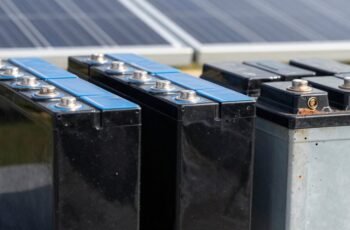
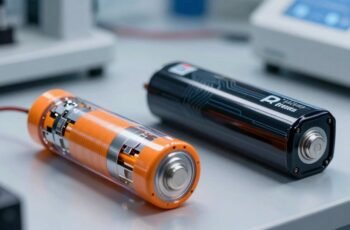
Did you know that LiFePO4 batteries generally last twice as long as NMC variants under similar conditions? This significant difference highlights the importance of understanding each chemistry’s strengths and limitations. As we compare safety, performance, and environmental impact, it becomes clear that choosing the right battery isn’t straightforward. Our exploration into LiFePO4 versus NMC will help clarify which technology best fits specific applications and future energy needs.
Key Takeaways
- LiFePO4 offers higher thermal stability and longer cycle life, making it safer and more durable than NMC.
- NMC provides higher energy density, suitable for portable electronics and high-performance applications.
- LiFePO4 is easier to recycle and environmentally friendlier compared to NMC’s complex chemistry.
- NMC has lower initial costs but shorter lifespan, potentially increasing long-term replacement expenses.
- Market trends show increasing adoption of LiFePO4 for stationary storage and electric vehicles due to its longevity.
What Are LiFePO4 and NMC Batteries?
While both LiFePO4 and NMC batteries are popular choices in energy storage, they differ markedly in composition, performance, and applications. LiFePO4 batteries utilize lithium iron phosphate cathodes, offering high thermal stability and longer cycle life, making them suitable for stationary storage and electric vehicles. NMC batteries, combining nickel, manganese, and cobalt, deliver higher energy density but pose greater challenges for battery recycling and environmental impact due to their complex chemistry and toxic materials. Recycling processes are vital for minimizing environmental harm, especially for NMC batteries, which contain critical metals. Understanding these differences helps us evaluate not only performance but also sustainability considerations, emphasizing the significance of environmentally conscious disposal and recycling strategies for both battery types.
How Do Lithium-Ion Batteries Work? (Including LiFePO4 and NMC)
Lithium-ion batteries operate through the movement of lithium ions between the anode and cathode during charge and discharge cycles. This transfer generates electrical energy, with the specific electrode chemistry affecting performance, safety, and environmental impact. To understand their function, consider this table:
| Component | Function | Impact on Recycling |
|---|---|---|
| Anode | Stores lithium ions | Affects battery material recovery |
| Cathode | Receives lithium ions | Influences environmental footprint |
| Electrolyte | Facilitates ion movement | Determines recyclability ease |
| Separator | Prevents short circuits | Impacts material reuse |
| Current Collectors | Conducts electrons | Affects materials reclamation |
Both LiFePO4 and NMC chemistries influence environmental impact and recycling processes. Efficient recycling mitigates waste, reduces environmental harm, and conserves resources.
Safety and Longevity: Comparing LiFePO4 and NMC Batteries
When evaluating lithium-ion chemistries for safety and longevity, LiFePO4 and NMC batteries exhibit distinct characteristics that influence their suitability for various applications. LiFePO4 batteries are inherently safer due to their thermal stability, considerably reducing risks of thermal runaway and fires. They also demonstrate longer cycle life, often exceeding 2000 cycles, which enhances their longevity. Conversely, NMC batteries, while offering higher energy density, tend to have shorter lifespans and require more rigorous safety management. Regarding environmental impact, LiFePO4 batteries are easier to recycle due to their stable chemistry and fewer toxic materials, resulting in a lower environmental footprint. NMC batteries pose greater challenges in battery recycling, and their disposal can contribute more substantially to environmental concerns.
Which Battery Has Better Energy Density and Performance?
LiFePO4 and NMC batteries differ markedly in their energy density and overall performance capabilities. NMC batteries generally offer higher energy density, enabling longer runtimes and more compact designs, which benefits high-performance applications. Conversely, LiFePO4 batteries provide lower energy density but excel in thermal stability and cycle life, leading to more consistent performance over time. From an environmental perspective, NMC batteries pose greater challenges in battery recycling due to their complex chemistry, potentially increasing environmental impact if not properly managed. LiFePO4 batteries, with simpler chemistry, are easier to recycle, reducing their environmental footprint. When evaluating performance, trade-offs between energy density and environmental sustainability become evident, emphasizing the importance of considering both efficiency and ecological impact in battery selection.
How Much Do LiFePO4 and NMC Batteries Cost?
The cost difference between LiFePO4 and NMC batteries considerably influences their adoption across various applications. LiFePO4 generally has a higher upfront cost but offers longer cycle life, affecting pricing strategies and market trends. NMC batteries tend to be less expensive initially, appealing for cost-sensitive projects. However, their shorter lifespan can lead to higher total cost of ownership. Factors like raw material prices, manufacturing scale, and technological improvements drive these costs. The table below highlights key price considerations:
| Aspect | LiFePO4 | NMC |
|---|---|---|
| Initial Cost | Higher ($200-$300/kWh) | Lower ($150-$250/kWh) |
| Long-term Value | Lower lifecycle costs | Potential higher replacement |
| Market Trend | Increasing due to longevity | Steady, cost-driven growth |
Understanding these dynamics helps optimize investment strategies.
Best Use Cases for LiFePO4 vs NMC Batteries
Choosing the appropriate battery chemistry depends heavily on the specific application and operational demands. LiFePO4 batteries excel in scenarios requiring long cycle life, safety, and stability, such as stationary energy storage, renewable energy systems, and electric vehicles. Conversely, NMC batteries are better suited for high energy density needs like portable electronics, e-mobility, and grid storage where weight and space matter.
In selecting a chemistry, consider these factors:
- Lifecycle and Recycling: LiFePO4 batteries offer easier battery recycling and lower environmental impact due to less toxic materials.
- Performance Needs: NMC batteries provide higher energy density but may pose greater environmental challenges during disposal.
- Operational Conditions: LiFePO4’s thermal stability makes it preferable for high-temperature environments, reducing safety risks.
Understanding these use cases helps optimize performance while minimizing environmental impact.
How to Choose the Right Battery for Your Needs
Selecting the right battery depends on carefully evaluating your specific application requirements and operational constraints. Consider factors like energy density, lifespan, and safety. For instance, Lifepo4 offers a longer cycle life and enhanced safety, whereas NMC provides higher energy density. Environmental impact also influences choice; Lifepo4 batteries are more eco-friendly due to easier recycling and lower toxicity. Conversely, NMC batteries pose challenges related to battery recycling and potential environmental hazards. To clarify, here’s a comparison:
| Criterion | Lifepo4 | NMC |
|---|---|---|
| Environmental Impact | Easier recycling, lower toxicity | More complex recycling, higher toxicity |
| Safety & Lifespan | Safer, longer cycle life | Less stable, shorter lifespan |
| Energy Density | Moderate | Higher |
| Cost & Availability | Lower cost, readily available | Higher cost, less accessible |
Choosing wisely minimizes environmental impact and maximizes operational efficiency.
Maintenance and Charging Tips for Lithium-Ion Batteries
Effective maintenance and charging of lithium-ion batteries require adherence to ideal charging practices, such as avoiding full discharges and high-voltage overcharging. Proper storage techniques, including temperature control and partial state-of-charge retention, help preserve battery health during periods of inactivity. Regular maintenance checks are essential to identify potential issues early and guarantee consistent performance over the battery’s lifespan.
Optimal Charging Practices
Have you ever wondered how proper charging practices can extend the lifespan and optimize the performance of lithium-ion batteries? Correct charging reduces degradation, delays capacity fade, and promotes sustainable practices like battery recycling, minimizing environmental impact. To optimize charging:
- Keep charge levels between 20% and 80% to prevent overstress and reduce capacity loss.
- Use chargers compatible with the specific battery chemistry, ensuring safe and efficient charging cycles.
- Avoid frequent deep discharges and rapid charging, which accelerate aging and negatively impact environmental sustainability.
Implementing these practices not only enhances battery longevity but also supports responsible disposal and recycling. Proper charging minimizes harmful waste, thereby reducing overall environmental impact. Adopting such strategies is vital for sustainable energy use and maximizing the economic value of lithium-ion batteries over their lifespan.
Proper Storage Techniques
Proper storage of lithium-ion batteries is essential to maintain their capacity and guarantee safety over time. We recommend storing batteries in a cool, dry environment with a temperature between 40°C and 60°C, ideally around 25°C, to prevent capacity loss and minimize degradation. Keeping batteries at a partial state of charge—around 50%—reduces stress on the cells and extends lifespan. Proper storage also facilitates safe battery recycling, reducing environmental impact by preventing leaks or fires during disposal. Ensuring batteries are stored separately from flammable materials further enhances safety. Additionally, responsible storage practices support sustainable battery lifecycle management, emphasizing the importance of recycling programs. Such measures help mitigate environmental impact, ensuring lithium-ion batteries are disposed of or reused efficiently and safely.
Regular Maintenance Checks
Regular maintenance checks are crucial to guarantee lithium-ion batteries operate at peak performance and longevity. Consistent inspection helps identify potential issues early, reducing environmental impact through proper battery recycling and disposal.
We recommend:
- Monitoring voltage and temperature regularly to prevent degradation and thermal runaway.
- Ensuring proper charging practices, avoiding overcharging or deep discharges, which can harm battery lifespan.
- Scheduling routine capacity tests to assess performance, facilitating timely replacement and minimizing environmental waste.
What’s Next for Lithium-Ion Battery Technology?
Advancements in lithium-ion battery technology are rapidly evolving, driven by the increasing demand for higher energy density, improved safety, and longer lifecycle performance. Future developments focus on enhancing battery recycling processes to reduce environmental impact and promote sustainability. Innovations involve solid-state electrolytes, which promise increased safety and energy density, and scalable manufacturing techniques for cost reduction. Additionally, research emphasizes minimizing the environmental footprint through eco-friendly materials and efficient recycling methods.
| Technology Focus | Key Benefits |
|---|---|
| Solid-State Batteries | Higher safety, energy density |
| Recycling Innovations | Reduced environmental impact |
| Eco-friendly Materials | Lower environmental footprint |
| Lifecycle Improvements | Longer battery lifespan |
Conclusion
In the end, choosing between LiFePO4 and NMC batteries is like selecting the right tool for a job — it depends on your specific needs. Both have their strengths, but understanding their technical nuances helps us make informed decisions. As battery technology continues to evolve, staying tuned to innovations guarantees we’re always equipped with the best energy solutions—like having a well-stocked toolbox ready for any challenge on our energy journey.