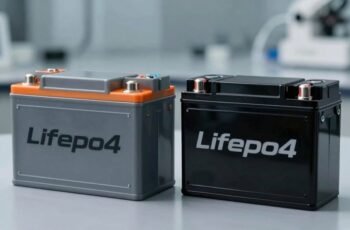
When comparing Lifepo4 and Li-ion battery technologies, understanding their fundamental differences in chemistry, safety, and longevity is essential for making informed decisions. While Lifepo4 offers notable advantages in stability and sustainability, Li-ion batteries provide higher energy density, but with increased safety concerns. Each has its own merits and limitations that impact various applications. Exploring these distinctions further will clarify which option aligns best with specific performance and environmental goals.
Key Takeaways
- Lifepo4 batteries offer superior thermal stability and safety, with lower fire risk compared to Li-ion batteries.
- Lifepo4 has a longer lifespan (2,000–3,000 cycles) versus Li-ion’s 500–1,500 cycles, ensuring better durability.
- Lifepo4 materials are less toxic and easier to recycle, resulting in a lower environmental impact.
- Li-ion batteries have higher energy density, making them more suitable for portable electronics and electric vehicles.
- Manufacturing costs for Lifepo4 are generally lower, providing better long-term value despite lower energy density.
What Are Lifepo4 and Li-Ion Batteries? An Overview
LiFePO4 (Lithium Iron Phosphate) and Li-ion (Lithium-ion) batteries are two prominent types of rechargeable energy storage devices, each with distinct chemical compositions and performance characteristics. LiFePO4 batteries feature a phosphate-based cathode, offering enhanced thermal stability and safety, which influences manufacturing innovations focused on safer, more durable designs. Conversely, Li-ion batteries typically utilize layered transition metal oxides, providing higher energy density but posing greater safety concerns. Both types are integral to modern energy solutions, with advancements in battery recycling being vital for sustainability and resource recovery. Manufacturing innovations aim to optimize performance, extend lifespan, and improve eco-friendliness, particularly through improved recycling processes. Understanding these foundational differences helps clarify their roles in evolving energy storage technologies and future market applications.
How Do Lifepo4 and Li-Ion Batteries Differ in Chemistry and Design?
While both LiFePO4 and Li-ion batteries rely on lithium-based chemistries, their core differences stem from their electrode materials, which markedly impact their chemistry and design. LiFePO4 batteries use a lithium iron phosphate cathode, providing a stable crystal structure that enhances longevity and thermal stability. In contrast, typical Li-ion batteries often employ cobalt or nickel-based cathodes, offering higher energy density but increased thermal risk. These material choices influence manufacturing innovations, particularly in optimizing electrode synthesis and improving battery recycling processes. LiFePO4’s simpler chemistry facilitates more sustainable recycling, reducing environmental impact. Overall, the distinct electrode compositions dictate not only performance and safety but also the manufacturing approaches, making these differences pivotal when comparing their design principles and long-term viability.
Which Battery Is Safer and More Thermally Stable?
The chemical composition and electrode structure directly influence the safety and thermal stability of lithium batteries. Lifepo4 batteries are inherently more stable due to their robust chemistry, which reduces the risk of thermal runaway. Li-ion batteries, with their layered electrode materials, are more prone to overheating if damaged or improperly managed. Manufacturing innovations, such as advanced thermal management systems and safer electrolyte formulations, enhance overall stability for both types. Additionally, Lifepo4 batteries facilitate safer battery recycling processes because they contain non-toxic, abundant materials, further improving their safety profile. In contrast, Li-ion batteries often involve complex recycling procedures due to hazardous components. Overall, Lifepo4 batteries offer superior thermal stability and safety, making them preferable in applications demanding high reliability and reduced risk of thermal incidents.
How Long Do Lifepo4 and Li-Ion Batteries Last?
Understanding the lifespan of lithium batteries depends on several factors, including chemistry, usage patterns, and maintenance practices. Lifepo4 batteries typically last 2,000 to 3,000 cycles, translating to around 8-10 years, whereas Li-ion batteries may endure 500-1,500 cycles, or about 3-5 years. Proper adherence to charging protocols can greatly extend their life, minimizing capacity loss and thermal stress. Additionally, effective battery recycling practices ensure environmental sustainability and maximum reuse of materials, indirectly influencing longevity. Key considerations include:
- Strict adherence to recommended charging protocols
- Regular capacity monitoring
- Avoiding deep discharges
- Proper thermal management
- Responsible battery recycling to prevent premature degradation
How Do Their Costs Compare? Lifepo4 vs. Li-Ion Prices
We analyze how manufacturing costs differ between Lifepo4 and Li-Ion batteries, affecting their initial price points. Additionally, we evaluate how price stability over time influences the long-term value of each technology. Understanding these factors helps determine which battery type offers better economic efficiency for specific applications.
Manufacturing Cost Differences
Manufacturing costs for Lifepo4 batteries generally tend to be lower than those for lithium-ion (Li-ion) batteries, primarily due to differences in raw materials and production processes. Lifepo4’s simpler chemistry requires less expensive raw materials, reducing material costs. Additionally, its manufacturing scalability benefits from fewer complex handling procedures, leading to streamlined production lines. The stability of Lifepo4 chemistry also enhances battery recycling processes, lowering disposal costs and supporting sustainable manufacturing. Conversely, Li-ion batteries involve more costly raw materials like cobalt and nickel, increasing overall costs. These factors contribute to Lifepo4’s competitive edge in manufacturing economics, especially for large-scale applications where cost efficiency is critical. Ultimately, these distinctions influence the broader economic landscape of battery production and deployment.
Price Stability Over Time
How do the costs of Lifepo4 and Li-ion batteries compare as they age and market conditions evolve? Lifepo4 batteries tend to maintain more stable prices over time due to their longer cycle life and lower degradation rate, which reduces replacement frequency. This stability is reinforced by consistent performance across charging cycles, minimizing the need for extensive battery recycling or refurbishment. Conversely, Li-ion batteries often experience price declines initially but can fluctuate with market supply, technological advancements, and recycling costs. As Li-ion cells degrade more rapidly, their replacement and recycling influence ongoing costs, potentially increasing overall expenses. Hence, Lifepo4’s price stability is driven by its durability and lower lifecycle management costs, while Li-ion’s prices are more susceptible to market shifts and end-of-life recycling challenges.
Long-Term Value Benefits
Over their lifespan, Lifepo4 batteries generally offer superior long-term value compared to Li-ion counterparts due to their lower total cost of ownership. Although initial costs may be similar or slightly higher, Lifepo4’s extended cycle life reduces replacement frequency, lowering overall expenses. Their stability in supply chain and manufacturing processes minimizes price volatility and guarantees consistent availability. Additionally, Lifepo4 batteries are more environmentally friendly, with easier battery recycling processes that mitigate long-term disposal costs. The durability and safety features also reduce maintenance and warranty costs. These factors collectively improve long-term investment returns, especially when considering the total cost of ownership over multiple cycles.
- Lower replacement costs due to longer cycle life
- Reduced environmental impact via improved battery recycling
- Stable supply chain minimizes price fluctuations
- Decreased maintenance and safety-related expenses
- Enhanced economic value over multiple charge cycles
What Is the Environmental Impact of Each Battery Type?
Although both LiFePO4 and traditional Li-ion batteries have environmental impacts, their effects differ considerably due to their chemical compositions and manufacturing processes. LiFePO4 batteries generally produce fewer toxic byproducts and are more stable, reducing risks during battery recycling. This stability facilitates safer recycling processes, which is essential for managing waste and recovering valuable materials like lithium and cobalt. In contrast, Li-ion batteries often contain higher levels of hazardous chemicals, increasing environmental risks if improperly disposed of. Both types support renewable energy integration, but LiFePO4’s longer lifespan and recyclability make it more sustainable overall.
| Battery Type | Toxicity Level | Recycling Complexity |
|---|---|---|
| LiFePO4 | Lower | Simpler |
| Li-ion | Higher | More complex |
| Both | Significant | Vital |
Which Battery Is Better for Your Specific Application?
Selecting the most suitable battery type depends heavily on the specific requirements of your application, including factors such as energy density, lifecycle, safety, and cost. Lifepo4 batteries excel in safety, long cycle life, and environmental considerations like battery recycling, making them ideal for stationary storage and renewable energy systems. Conversely, Li-ion batteries offer higher energy density and charging efficiency, better suited for portable electronics and electric vehicles where weight and space are critical.
- Energy density requirements
- Lifecycle and durability needs
- Safety and thermal stability concerns
- Cost considerations including recycling processes
- Charging efficiency and maintenance demands
Pros and Cons: Which Battery Should You Choose?
When evaluating battery options, we consider energy density, cost, longevity, safety, and environmental impact to make an informed choice. Each factor influences performance and suitability for different applications, highlighting the trade-offs between Lifepo4 and Li-ion technologies. Analyzing these points helps us determine which battery best aligns with specific operational needs and sustainability goals.
Energy Density Comparison
Energy density is a critical factor when comparing LiFePO4 and traditional Li-ion batteries, as it directly influences the amount of energy stored per unit weight or volume. Li-ion batteries generally offer higher energy density, enabling longer runtimes in compact designs. However, LiFePO4’s lower energy density is offset by advantages like enhanced voltage stability and safer battery recycling processes. These factors contribute to more predictable performance and easier environmental management. Additionally, the trade-off impacts applications requiring maximum energy storage versus those prioritizing safety and longevity. While Li-ion batteries excel in weight-sensitive contexts, LiFePO4 suits scenarios where thermal stability and sustainable disposal are paramount. Ultimately, understanding these differences helps determine which battery type aligns best with specific operational needs.
- Higher energy density in Li-ion batteries allows for longer device operation.
- LiFePO4’s lower energy density is balanced by superior voltage stability.
- Battery recycling considerations favor LiFePO4’s environmentally friendly profile.
- Energy density impacts the overall weight and size of battery systems.
- Choosing depends on whether maximum energy or safety and sustainability are priorities.
Cost and Longevity
While both LiFePO4 and traditional Li-ion batteries have distinct advantages, their cost and longevity considerably influence application suitability. LiFePO4 batteries generally have higher initial costs but offer longer cycle lives, reducing replacement frequency and total ownership costs. Their stability promotes enhanced Battery Recycling potential, easing end-of-life management. Conversely, Li-ion batteries often feature lower upfront costs but shorter lifespans, impacting long-term expenses and supply chain logistics. Table 1 summarizes these differences:
| Aspect | LiFePO4 | Li-ion |
|---|---|---|
| Cost | Higher upfront, lower over time | Lower upfront, higher replacement |
| Longevity | 2000+ cycles, longer lifespan | 500-1000 cycles |
| Battery Recycling | More sustainable due to stability | More complex, less recyclable |
| Supply Chain | More stable, less volatile supply chain | More vulnerable to raw material issues |
Safety and Environmental Impact
Both LiFePO4 and traditional Li-ion batteries present distinct safety profiles and environmental considerations that particularly impact their suitability for various applications. LiFePO4 batteries are inherently safer due to their thermal stability, reducing risks of thermal runaway and fires. They also generate fewer toxic byproducts, making battery recycling less hazardous. Conversely, Li-ion batteries contain flammable electrolytes, increasing safety concerns and complicating disposal.
- Safer chemistry of LiFePO4 reduces fire risk
- Toxic electrolyte hazards in Li-ion complicate recycling
- Supply chain stability favored by abundant raw materials in LiFePO4
- Environmental impact of disposal varies considerably
- Recycling processes differ, affecting sustainability and regulation compliance
Choosing the right battery hinges on safety priorities and environmental management within the supply chain.
Conclusion
In comparing Lifepo4 and Li-ion batteries, the choice hinges on safety, longevity, and environmental impact. While Li-ion offers higher energy density for portable applications, Lifepo4 excels in durability and thermal stability for stationary and renewable energy uses. Ultimately, understanding these distinctions allows us to select the most appropriate technology based on safety concerns, lifespan, and ecological considerations, ensuring optimized performance tailored to specific needs. The decision reflects a balance between raw power and sustainable reliability.