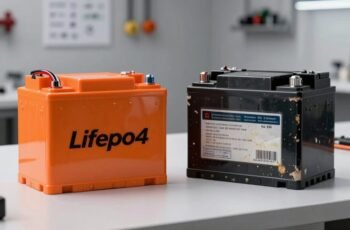
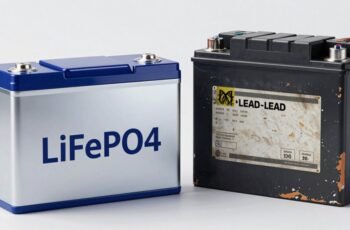
When comparing LiFePO4 and SLA batteries, we recognize fundamental differences in performance, safety, and sustainability that influence their suitability for various applications. While LiFePO4 batteries offer notable advantages in longevity and environmental impact, SLA units remain prevalent due to initial cost. Understanding these distinctions is essential for making informed choices, but the decision isn’t straightforward. Let’s examine the technical aspects and practical considerations that shape their roles in modern energy storage.
Key Takeaways
- LiFePO4 batteries have higher energy density and longer cycle life than sealed lead-acid (SLA) batteries.
- LiFePO4 offers better safety, stability, and environmental friendliness due to non-toxic materials.
- Although initial costs are higher, LiFePO4 provides lower maintenance and longer-term savings.
- SLA batteries are cheaper upfront but require more frequent replacements and pose environmental hazards.
- LiFePO4’s durability and recyclability make it more sustainable for long-term use.
What Are LiFePO4 and SLA Batteries, and How Do They Work?
Have you ever wondered how different battery chemistries store and deliver energy? LiFePO4 and SLA batteries function through distinct electrochemical processes that influence their efficiency and lifespan. LiFePO4 batteries utilize lithium iron phosphate chemistry, offering high energy density and stability, while SLA batteries rely on lead plates and sulfuric acid, which are more prone to degradation over time. When considering battery recycling, LiFePO4 batteries are more environmentally friendly due to their less toxic materials, reducing the environmental impact. Conversely, SLA batteries contain hazardous lead, demanding strict disposal protocols to prevent environmental contamination. Understanding these differences helps us evaluate not only performance but also the broader environmental implications of each chemistry, guiding us toward more sustainable energy storage solutions.
How Do LiFePO4 and SLA Batteries Compare in Performance?
When comparing LiFePO4 and SLA batteries, energy density and lifespan are critical factors that influence performance. LiFePO4 batteries typically offer higher energy density and longer cycle life, making them more durable over time. Understanding these differences enables more informed decisions based on application-specific demands.
Energy Density Differences
LiFePO4 batteries generally possess a higher energy density compared to sealed lead acid (SLA) batteries, which directly impacts their performance in applications like electric vehicles and renewable energy storage. This higher energy density means LiFePO4 can store more power in a smaller volume, reducing weight and size. In contrast, SLA batteries tend to be bulkier with lower energy capacity per unit weight. Additionally, LiFePO4’s superior energy density contributes to better efficiency and longer runtime, influencing battery recycling strategies and environmental impact.
| Battery Type | Energy Density (Wh/kg) | Environmental Impact |
|---|---|---|
| LiFePO4 | 90-160 | Lower due to longer lifespan |
| SLA | 35-50 | Higher due to lead content |
Lifespan and Durability
Although both LiFePO4 and sealed lead acid (SLA) batteries serve similar functions, their lifespan and durability differ considerably due to their chemical compositions and design characteristics. LiFePO4 batteries typically endure 2000–5000 cycles, offering superior longevity and resistance to deep discharges. In contrast, SLA batteries generally last 500–1000 cycles, with performance declining more rapidly over time. This durability impacts battery recycling efforts and environmental impact, as longer-lasting batteries reduce waste and resource consumption.
- Confidence that your investment lasts longer and performs reliably
- Reduced environmental footprint through fewer replacements
- Enhanced resistance to damage from deep discharges
- Lower total cost of ownership over time
- Greater potential for sustainable energy integration
Which Battery Lasts Longer: LiFePO4 or SLA?
Determining which battery lasts longer requires examining their cycle life, capacity retention, and overall durability. LiFePO4 batteries typically offer a higher cycle count—often exceeding 2,000 cycles—compared to SLA batteries, which average around 500-1,000 cycles. This extended cycle life means LiFePO4 maintains capacity longer over time, reducing the need for replacements. Additionally, their robustness contributes to better overall durability. From an environmental perspective, LiFePO4 batteries are more sustainable due to their longer lifespan and easier battery recycling processes, minimizing waste and environmental impact. SLA batteries, while cheaper initially, tend to degrade faster, leading to more frequent replacements and increased waste. Consequently, LiFePO4 batteries generally last longer, offering both technical and environmental advantages.
Are LiFePO4 or SLA Batteries Safer to Use?
While both LiFePO4 and SLA batteries are generally considered safe when used correctly, their safety profiles differ due to chemical composition and inherent characteristics. LiFePO4 batteries are inherently more stable, reducing the risk of thermal runaway and fires. SLA batteries, with their lead-acid chemistry, pose a higher risk of acid leaks and explosion under damage or misuse. Additionally, LiFePO4’s environmental impact is lower, thanks to safer materials and easier battery recycling processes. In contrast, SLA batteries contain toxic lead and sulfuric acid, complicating disposal and recycling, which can harm ecosystems.
- LiFePO4 batteries are less prone to fires and explosions.
- SLA batteries risk acid leaks and hazardous exposure.
- LiFePO4’s stable chemistry enhances safety during operation.
- Lead in SLA batteries poses environmental and health risks.
- Recycling LiFePO4 is more environmentally friendly.
What Is the Cost Difference Between LiFePO4 and SLA Batteries?
The cost difference between LiFePO4 and SLA batteries is significant and impacts their overall value proposition. Initially, LiFePO4 batteries tend to have higher upfront costs, but their longer lifespan and superior cycle life often result in lower total cost of ownership. Conversely, SLA batteries are more affordable initially but require more frequent replacements, increasing long-term expenses. From an environmental perspective, LiFePO4 batteries are more sustainable, as they are easier to recycle and pose fewer disposal challenges. Battery recycling plays a vital role in reducing environmental impact, with LiFePO4’s stable chemistry enabling safer, more efficient recycling processes. While SLA batteries may seem economical initially, their higher environmental footprint and recycling difficulties make LiFePO4 a more economical and eco-friendly investment over time.
What Are the Best Uses for LiFePO4 Batteries?
LiFePO4 batteries are ideally suited for applications requiring high safety, long cycle life, and reliable performance under demanding conditions. Their stability makes them perfect for renewable energy storage and electric vehicles, where safety and longevity are critical. These batteries excel in environments demanding consistent power delivery and resilience. Their deep cycling capability supports sustainable energy systems, enabling efficient storage for solar and wind power. In electric vehicles, they provide superior power density and longevity, reducing replacement costs. Additionally, their thermal stability ensures safety even under extreme conditions.
- Powering off-grid renewable energy systems with confidence
- Extending electric vehicle range and lifespan
- Guaranteeing safety in high-demand industrial applications
- Supporting long-term energy storage solutions
- Enhancing reliability in demanding environments
When Are SLA Batteries the Better Choice?
Sealed Lead Acid (SLA) batteries are often the preferable choice in applications where initial cost, simplicity, and established technology outweigh the benefits of longer cycle life or advanced safety features. Their widespread use is supported by mature manufacturing processes and a well-understood performance profile. Additionally, the infrastructure for battery recycling is well-developed, facilitating responsible disposal and mitigating environmental impact. In scenarios prioritizing cost efficiency and ease of maintenance, SLAs remain advantageous despite their shorter lifespan and heavier weight compared to lithium-based options. Their proven reliability and lower upfront investment make them suitable for backup power, security systems, and small-scale applications where environmental considerations are managed through established recycling channels. This balance of affordability and recyclability sustains SLA’s relevance in specific industries.
How Do You Maintain and Charge These Batteries Properly?
Proper maintenance and charging practices are essential to maximize the lifespan and performance of these batteries. Adhering to correct charging protocols guarantees safe operation and prevents damage. For ideal results, follow manufacturer-recommended charging voltages and current rates, especially for Lifepo4 and SLA types. Storage best practices include keeping batteries in a cool, dry environment and periodically checking charge levels to prevent deep discharge. Regularly monitoring voltage and temperature helps identify potential issues early. Implementing proper charging cycles—avoiding overcharging or undercharging—is critical for longevity. Additionally, maintain a consistent schedule for maintenance checks and ensure connectors are clean and secure. These practices enhance battery health, reduce failure risk, and ensure reliable performance over time.
- Prevents capacity loss and extends cycle life
- Guarantees safety during operation
- Reduces risk of thermal runaway or damage
- Maintains ideal charge levels during storage
- Maximizes overall battery efficiency
How to Choose the Right Battery for Your Needs
When selecting a battery, we evaluate lifespan and durability to guarantee it meets our operational demands over time, while also considering initial costs and ongoing maintenance requirements. Cost-effectiveness hinges on understanding the trade-offs between higher upfront expenses and longer-term reliability. By analyzing these factors, we can determine the most suitable option for specific applications and budget constraints.
Battery Lifespan and Durability
Understanding the lifespan and durability of different battery types is essential for selecting the most reliable power source for your application. Lifepo4 batteries generally offer longer cycle lives—up to 2,000 cycles—compared to sealed lead-acid batteries, which typically last 500–1,000 cycles. This difference impacts not only performance but also environmental impact, as longer-lasting batteries reduce waste and support sustainable practices like battery recycling. Durability factors such as temperature tolerance and deep discharge resistance influence longevity and safety. Choosing a battery with superior durability minimizes maintenance needs and guarantees consistent performance over time.
- Reduce waste through longer cycle life, supporting battery recycling efforts
- Minimize environmental impact by decreasing disposal frequency
- Guarantee reliable operation in extreme conditions
- Maximize return on investment with durable, high-quality batteries
- Achieve peace of mind with consistent, long-term energy output
Cost and Maintenance Needs
Choosing the right battery involves carefully weighing initial costs against ongoing maintenance expenses. Lifepo4 batteries tend to have a higher upfront cost but require minimal maintenance, which can reduce long-term operational costs. Sealed lead-acid batteries are generally cheaper initially but demand regular checks and replacements, increasing lifetime expenses. Both types contribute differently to environmental impact; Lifepo4 batteries are more recyclable, reducing waste and supporting sustainable battery recycling initiatives. In contrast, lead-acid batteries pose greater challenges for recycling, leading to more environmental concerns. When evaluating cost and maintenance needs, consider not only purchase price but also the environmental impact of disposal and recycling. This all-encompassing approach ensures a more sustainable and economically sound choice aligned with your specific usage and environmental responsibilities.
Conclusion
In our analysis, LiFePO4 batteries stand out as the resilient oak, offering longevity, safety, and environmental benefits, while SLA batteries resemble the quicksand of affordability with limited lifespan and higher hazards. Choosing the right battery is like selecting the right tool for a task—consider your needs, safety, and sustainability. Ultimately, investing in LiFePO4 guarantees your energy source remains a sturdy foundation, supporting long-term reliability rather than quicksand risks.