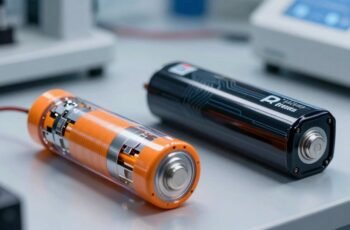
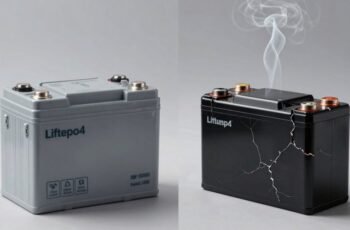
Studies show that LiFePO4 batteries can withstand over 2,000 charge cycles, compared to around 500 for typical lead-acid types. This significant difference impacts long-term performance and total ownership costs. We recognize these details are critical when evaluating energy storage options, but the decision isn’t solely about cycle life. Factors like safety, cost, and application-specific needs influence which battery type truly offers better value—considerations we’ll explore further.
Key Takeaways
- Lifepo4 batteries have a longer cycle life (2000-5000 cycles) compared to lead-acid (500-1000 cycles), reducing replacement costs.
- They are safer, with lower risk of fire or explosion, due to their stable chemistry and reduced thermal runaway risk.
- Lifepo4 offers higher energy density and faster charging, making them more efficient and suitable for space-constrained applications.
- They are more environmentally friendly, with easier recycling and fewer toxic materials than lead-acid batteries.
- Despite higher initial costs, Lifepo4 batteries provide better long-term value through durability, efficiency, and lower maintenance.
Understanding the Technology: Lifepo4 vs. Lead-Acid Batteries
While both Lifepo4 and lead-acid batteries serve as reliable energy storage solutions, their underlying technologies differ considerably. Lifepo4 batteries utilize lithium iron phosphate chemistry, offering a stable and safe chemical composition that enhances thermal stability. In contrast, lead-acid batteries rely on lead plates immersed in sulfuric acid, which impacts their performance and safety profile. When examining energy density, Lifepo4 batteries deliver markedly higher values, enabling more compact designs and greater capacity per volume. This improved energy density results from the lightweight lithium-based chemistry, which allows for higher charge storage within a smaller footprint. Overall, the fundamental differences in battery chemistry directly influence their performance, safety, and suitability for various applications, underscoring the technological advantages of Lifepo4 over traditional lead-acid systems.
Which Battery Lasts Longer and Offers Better Cycle Life?
When evaluating battery longevity, cycle life becomes a key determinant of overall performance and value. Lifepo4 batteries typically outperform lead-acid in cycle life, often sustaining 2000-5000 cycles compared to 500-1000 cycles for lead-acid. This extended cycle life translates into longer overall service, reducing replacement frequency. From an environmental perspective, Lifepo4 batteries also offer advantages: they facilitate easier battery recycling due to their stable chemistry and contain fewer hazardous materials. Consequently, their longer lifespan diminishes waste and minimizes environmental impact. Lead-acid batteries, with shorter cycle lives and more toxic components, pose greater challenges for recycling and environmental safety. Overall, Lifepo4 batteries provide superior longevity and a more sustainable profile, making them a more durable and eco-conscious choice.
Safety and Charging: How Do Lifepo4 and Lead-Acid Compare?
When comparing Lifepo4 and lead-acid batteries, safety and charging efficiency are critical factors. Lifepo4 batteries typically charge faster and handle overcharge and discharge better, reducing risks associated with improper use. However, understanding their respective safety precautions and tolerance levels is essential for ideal and safe operation.
Charging Speed and Efficiency
Charging speed and efficiency are critical factors when comparing Lifepo4 and lead-acid batteries, as they directly influence operational performance and safety. Lifepo4 batteries typically charge faster and with higher efficiency due to their stable chemistry and lower internal resistance, reducing energy loss during charging. This translates into shorter recharge cycles and improved system uptime. Lead-acid batteries, by contrast, require longer charging periods and are less efficient, often leading to higher energy consumption. Additionally, Lifepo4 batteries support better battery recycling processes, reducing environmental impact through extended lifespan and easier material recovery. These efficiencies not only enhance operational productivity but also contribute to more sustainable battery management, making Lifepo4 a more environmentally responsible choice over lead-acid options.
Safety Risks and Precautions
Although both Lifepo4 and lead-acid batteries are generally safe when proper precautions are followed, they present distinct safety risks that warrant careful consideration. Lifepo4 batteries are less prone to thermal runaway, reducing fire risk, but can still pose hazards if damaged or improperly handled. Lead-acid batteries contain sulfuric acid, which can cause severe burns and release flammable hydrogen gas during charging, increasing explosion risk. Proper ventilation and handling are essential for safety. Additionally, both battery types impact the environment through battery recycling challenges; lead-acid batteries are highly recyclable but pose environmental risks if improperly disposed of. Lifepo4 batteries, while more environmentally friendly, still require responsible recycling practices to mitigate environmental impact. Ensuring safety and proper disposal protocols is critical for minimizing risks associated with both technologies.
Overcharge and Discharge Tolerance
Lifepo4 and lead-acid batteries differ markedly in their tolerance to overcharge and deep discharge, impacting safety and longevity. Lifepo4’s robust battery chemistry allows it to withstand overcharging without immediate damage, thanks to its stable chemical structure and high energy density. In contrast, lead-acid batteries are more susceptible to damage and safety hazards if overcharged or deeply discharged. They risk sulfation and reduced lifespan, especially under frequent deep discharges. The table below highlights these differences:
| Aspect | Lifepo4 | Lead-Acid |
|---|---|---|
| Overcharge Tolerance | High; safe up to 1.2x capacity | Moderate; risk of damage beyond limit |
| Deep Discharge Tolerance | High; can be deeply discharged repeatedly | Low; damage occurs easily |
This distinction makes Lifepo4 safer and more durable in demanding applications.
Cost, Value, and Long-Term Ownership
When evaluating cost-effectiveness, we consider both initial purchase prices and the long-term expenses associated with maintenance and replacement. Lifepo4 batteries typically have a higher upfront cost but often deliver greater longevity and reduced maintenance, which can improve overall value. Analyzing these factors helps determine which option offers better financial efficiency over the lifespan of the system.
Initial Purchase Cost
Initial purchase costs for batteries considerably influence overall value and long-term ownership expenses. Lifepo4 batteries typically have a higher upfront cost than lead-acid, but this initial investment can be offset by their superior performance and longevity. When evaluating costs, it’s important to take into account factors like battery recycling and environmental impact, which affect the total lifecycle expense. Lifepo4’s recyclable materials reduce waste and environmental footprint, potentially lowering disposal costs over time. Additionally, their higher efficiency means fewer replacements and maintenance, decreasing long-term expenses. Conversely, lead-acid batteries tend to require more frequent replacement and contribute to greater environmental degradation.
- Higher initial cost but lower lifecycle costs with Lifepo4
- Reduced environmental impact through easier recycling
- Better value considering long-term savings
Longevity and Maintenance
Although the upfront costs are higher, Lifepo4 batteries generally offer superior longevity and lower maintenance requirements, which considerably enhances their long-term value. Lifepo4 chemistries typically endure 2,000 to 3,000 charge cycles, far surpassing lead acid batteries, reducing replacement frequency. Their maintenance is minimal—no watering or equalization needed—cutting ongoing costs. Additionally, Lifepo4 batteries are more environmentally friendly due to their improved battery recycling potential and reduced hazardous waste. This enhanced recyclability diminishes their environmental impact, aligning with sustainable practices. Over time, these factors translate into lower total ownership costs, making Lifepo4 batteries a cost-effective choice despite higher initial investments. Their durability and eco-conscious profile support long-term operational efficiency and responsible resource management.
Best Battery Types for Different Applications
Selecting the most suitable battery type depends heavily on the specific application requirements, as different technologies present unique advantages and limitations. For instance, lithium iron phosphate (LiFePO₄) batteries excel in high-cycle applications like renewable energy storage due to their stability and safety, whereas lead-acid batteries are typically favored for automotive starting power. When evaluating options, consider factors such as energy density, lifespan, and environmental impact.
- LiFePO₄ batteries offer superior longevity and easier battery recycling, reducing long-term environmental impact
- Lead-acid batteries are cost-effective initially but pose challenges in recycling and disposal
- Application-specific demands influence choice, with safety and sustainability becoming increasingly critical for environmental considerations
Ultimately, selecting the right battery involves balancing application needs with environmental responsibility and recycling considerations to guarantee peak performance and sustainability.
What Factors Should You Consider When Choosing a Battery?
When choosing a battery, understanding the key factors that influence performance and suitability helps guarantee you make an informed decision aligned with your specific needs. Critical considerations include capacity, cycle life, and charging requirements, which affect long-term reliability. Environmental impact is equally important; selecting batteries with sustainable manufacturing practices and efficient battery recycling options reduces ecological footprints. For instance, Lifepo4 batteries often offer better recyclability and lower toxic waste compared to lead-acid options. Additionally, safety features, temperature tolerance, and maintenance needs should influence your choice. Analyzing these factors ensures you select a battery that balances performance with environmental responsibility, ultimately optimizing operational efficiency while minimizing ecological harm. This thorough approach leads to smarter, more sustainable energy solutions.
Conclusion
Considering their superior cycle life—LiFePO4 batteries typically last 2,000 to 5,000 cycles compared to lead-acid’s 500—we see clear long-term benefits. Despite higher initial costs, their durability and safety make them more cost-effective over time. For applications demanding longevity, faster charging, and environmental safety, LiFePO4 is the better choice. Ultimately, understanding these technical advantages helps us make informed decisions aligned with our energy needs and sustainability goals.