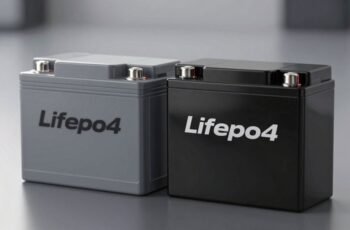
It’s a coincidence that two of the most common home backup battery technologies—LiFePO4 and lithium-ion—offer such contrasting advantages, prompting many to question which is truly better for their needs. Their differing chemistries impact safety, longevity, and cost, which can substantially influence long-term reliability and overall investment. As we explore these options, it becomes clear that understanding their technical nuances is essential for making an informed decision. So, what factors should homeowners prioritize when choosing between these energy storage solutions?
Key Takeaways
- LiFePO4 offers superior safety, thermal stability, and longer cycle life, making it ideal for home backup systems.
- Lithium-ion batteries have higher energy density but pose safety concerns and require advanced management systems.
- LiFePO4 batteries are more environmentally friendly and easier to recycle compared to cobalt or nickel-based lithium-ion batteries.
- LiFePO4 provides better longevity and lower long-term costs despite higher upfront expenses.
- Modular, scalable designs in lithium batteries support easy expansion for growing home energy needs.
What Are LiFePO4 and Lithium-Ion Batteries and How Do They Work?
Although both LiFePO4 and lithium-ion batteries are rechargeable energy storage systems, they differ considerably in chemistry and performance characteristics. LiFePO4 batteries utilize lithium iron phosphate as their cathode material, offering enhanced thermal stability and longer cycle life. Their battery chemistry results in a more stable electrochemical environment, reducing risks of thermal runaway. Lithium-ion batteries typically use cobalt or nickel-based cathodes, providing higher energy density but with increased safety concerns. In regards to energy storage, LiFePO4 delivers consistent voltage and superior durability, making it ideal for long-term use. Lithium-ion batteries, on the other hand, prioritize higher energy density for compact applications. Understanding these differences helps us choose the appropriate technology for reliable, efficient home backup systems.
How Do Safety Features Compare Between LiFePO4 and Lithium-Ion Batteries?
When comparing the safety features of LiFePO4 and lithium-ion batteries, the chemistry differences markedly influence their risk profiles. LiFePO4 batteries offer enhanced fire prevention due to their thermal stability, reducing the likelihood of thermal runaway. They also benefit from superior battery cooling characteristics, which help dissipate heat more effectively. Conversely, lithium-ion batteries with cobalt or nickel cathodes are more prone to overheating, requiring advanced battery management systems. Specifically:
- Fire prevention: LiFePO4’s stable chemistry minimizes fire risk, while lithium-ion’s higher energy density increases hazard potential.
- Battery cooling: LiFePO4’s thermal stability reduces the need for aggressive cooling measures.
- Safety protocols: Lithium-ion batteries often necessitate sophisticated safety systems to mitigate overheating and prevent thermal runaway, whereas LiFePO4 batteries are inherently safer.
Which Battery Lasts Longer for Home Backup Systems?
Determining which battery lasts longer for home backup systems depends on their chemistry, capacity, and cycle life, all of which influence long-term reliability. Battery chemistry directly affects cycle stability and degradation rates, with LiFePO₄ offering excellent stability, while traditional lithium-ion batteries may degrade faster over time. Energy density also plays a role; lithium-ion batteries typically have higher energy density, allowing for more compact designs and longer use per cycle. However, this can come at the expense of cycle life and safety. LiFePO₄ batteries, despite slightly lower energy density, often last longer because of their superior chemical stability and resistance to thermal degradation. Ultimately, the choice hinges on balancing energy density against longevity and reliability for sustained home backup performance.
Are LiFePO4 or Lithium-Ion Batteries More Cost-Effective?
When comparing cost-effectiveness, we focus on initial purchase price, which is typically higher for LiFePO4 batteries due to advanced chemistry and manufacturing costs. However, their longer lifespan and lower maintenance requirements often result in greater long-term savings. Analyzing lifecycle costs and performance metrics helps determine which option provides better value over the system’s operational period.
Initial Purchase Cost
Although LiFePO4 batteries typically have a higher initial purchase price than traditional lithium-ion options, their cost-effectiveness over the lifespan can be more favorable due to enhanced safety, longer cycle life, and lower maintenance requirements. The upfront cost is influenced by factors like energy density, which impacts the amount of stored energy per volume, and the sustainability of battery recycling efforts, which can reduce long-term disposal costs. When evaluating initial costs, consider:
- Higher manufacturing costs for LiFePO4 due to material stability.
- Lower replacement frequency owing to extended cycle life.
- Potential savings from reduced maintenance and safer operation, minimizing safety-related expenses.
While initial investments are higher, the total lifecycle costs often favor LiFePO4 when accounting for durability and eco-friendly battery recycling.
Long-Term Savings Potential
LiFePO4 batteries often prove more cost-effective over the long term compared to traditional lithium-ion options, primarily because of their extended cycle life and enhanced safety profile. Their durability reduces replacement frequency, lowering total cost of ownership. Additionally, improved energy storage efficiency and more reliable power management mitigate operational expenses.
| Aspect | Impact on Cost Savings |
|---|---|
| Cycle Life | Longer lifespan decreases replacement costs |
| Safety Profile | Fewer safety incidents reduce maintenance costs |
| Energy Efficiency | Better energy storage lowers energy losses |
| Power Management | More stable output minimizes system stress |
| Overall Longevity | Greater durability enhances long-term savings |
These factors collectively make LiFePO4 batteries a more economical choice when evaluating total energy storage costs over time.
Maintenance and Lifecycle
Are LiFePO4 batteries more cost-effective over their lifecycle compared to traditional lithium-ion options? The answer hinges on differences in battery chemistry and energy density, which impact maintenance and longevity. LiFePO4 chemistry offers superior thermal stability and cycle life, reducing replacement frequency and maintenance costs. Its lower self-discharge rate enhances overall efficiency, extending usable lifespan. Conversely, traditional lithium-ion batteries typically have higher energy density but degrade faster, necessitating more frequent replacements.
In summary:
- LiFePO4 batteries provide longer cycle life and lower maintenance due to stable chemistry.
- Higher energy density in lithium-ion batteries offers more power in a smaller form but at the expense of longevity.
- Cost-effectiveness depends on balancing initial investment against reduced replacement and maintenance costs over time.
What Are the Charging and Discharging Rates of These Batteries?
Understanding the charging and discharging rates of batteries is essential for optimizing their performance and longevity in home backup systems. Battery chemistry influences these rates considerably; for example, LiFePO4 batteries typically allow higher charge and discharge rates compared to other lithium-ion chemistries. Lifepo4 batteries often support rapid charging at 0.5C to 1C, enabling full recharge within a few hours, while discharging at similar rates to ensure efficient power delivery. These rates impact the number of charging cycles a battery can endure, as higher rates can accelerate wear. Proper management of these rates ensures the battery operates within safe parameters, minimizes thermal stress, and maximizes lifespan. Understanding these technical specifications helps us select the appropriate chemistry for reliable, long-term home backup solutions.
What Installation Considerations Should You Know?
Proper installation requires careful planning of space and ventilation to prevent overheating and guarantee safety, especially in enclosed areas. We must also pay close attention to wiring standards, using appropriately rated cables and connectors to minimize risk and maintain system integrity. Ensuring adherence to safety protocols and manufacturer guidelines is essential to protect both the system and occupants.
Space and Ventilation
When installing lithium-based energy storage systems like Lifepo4 or lithium-ion batteries at home, guaranteeing adequate space and ventilation is critical for safety and peak performance. Proper indoor placement requires a dedicated, well-ventilated enclosure to prevent heat buildup and mitigate the risk of gas accumulation. Ventilation requirements include:
- Sufficient airflow around the battery bank to maintain consistent temperature levels.
- An exhaust system or passive vents to disperse any potential gases safely.
- Maintaining a minimum clearance of at least 12 inches from walls or obstructions to prevent overheating and facilitate maintenance.
These measures guarantee batteries operate within safe thermal limits and comply with safety standards, reducing hazards and enhancing longevity. Proper space planning and ventilation are essential for both safety and system efficiency.
Wiring and Safety
Installing lithium-based energy storage systems demands careful attention to wiring configurations and safety protocols to prevent electrical hazards and guarantee system reliability. Proper wiring involves using gauge-appropriate cables, secure connections, and correct polarity to minimize resistance and heat buildup. Implementing thorough charging protocols is essential to prevent overcharging or deep discharging, which can damage the battery pack and compromise safety. Additionally, safety measures include installing circuit breakers, fuses, and thermal management systems to prevent overloads and thermal runaway. We must also plan for battery recycling at end-of-life, ensuring environmentally responsible disposal or repurposing. Accurate wiring and adherence to safety standards are critical for peak performance, longevity, and safe operation of your lithium energy storage system.
How Do LiFePO4 and Lithium-Ion Batteries Impact the Environment?
Although lithium-ion and LiFePO4 batteries offer significant advantages for energy storage, their environmental impacts vary considerably due to differences in chemistry and manufacturing processes. The environmental impact of these batteries primarily stems from resource extraction, manufacturing emissions, and end-of-life disposal. Specifically:
- Environmental impact: Lithium-ion batteries contain cobalt and nickel, whose mining causes habitat destruction and pollution, whereas LiFePO4 batteries use iron and phosphate, which are more abundant and environmentally benign.
- Recycling challenges: Lithium-ion batteries pose significant recycling challenges due to complex chemistries and hazardous materials, leading to potential toxic waste if improperly disposed of.
- Lifecycle emissions: LiFePO4 batteries generally have lower lifecycle emissions because of simpler manufacturing and more stable chemical composition.
Understanding these factors helps assess their true environmental footprint.
Which Battery Is the Best Choice for Your Home Backup Needs?
When selecting the most suitable battery for home backup, we must consider initial costs and long-term budget implications, as well as overall lifespan and cycle durability. Safety features and system reliability are critical factors that influence performance and risk mitigation. By analyzing these technical aspects, we can determine which battery type best aligns with your specific energy needs and safety standards.
Cost and Budget
Determining the most cost-effective battery option for home backup systems requires careful comparison of upfront investment and long-term value. Lifepo4 batteries generally have higher initial costs due to complex manufacturing processes but benefit from lower maintenance and better recyclability. Lithium-ion batteries often feature lower upfront prices, driven by streamlined manufacturing and economies of scale, yet may incur higher replacement costs over time. When evaluating costs, consider:
- Initial purchase price – Lifepo4’s advanced manufacturing yields higher costs, while lithium-ion remains more affordable.
- Battery recycling and environmental impact – Lifepo4’s eco-friendly recycling process may reduce long-term disposal costs.
- Long-term value – Lifepo4’s stability and safety can translate into fewer replacements and lower lifecycle expenses.
Balancing these factors helps identify the most budget-conscious, sustainable choice for your home backup needs.
Battery Lifespan
Which battery type offers the most reliable lifespan for your home backup system? Lifepo4 batteries generally excel in longevity due to their stable battery chemistry, providing around 2,000 to 5,000 charge cycles. Lithium-ion batteries, depending on their chemistry, typically last 1,000 to 3,000 cycles. Higher energy density in lithium-ion batteries means more energy storage in a smaller space but can sometimes compromise lifespan. Here’s a comparison:
| Feature | Lifepo4 | Lithium-ion |
|---|---|---|
| Typical Cycles | 2,000–5,000 | 1,000–3,000 |
| Battery Chemistry | Stable, less degradation over time | Less stable, more degradation |
| Energy Density | Moderate | High |
Choosing the right battery depends on balancing lifespan and energy storage needs.
Safety and Reliability
Choosing the safest and most reliable battery for your home backup system involves analyzing the inherent chemical stability and failure modes of each option. Lithium Iron Phosphate (Lifepo4) batteries excel in this regard due to their thermal stability, which minimizes fire risk, and their resistance to overcharging and thermal runaway. In contrast, traditional lithium-ion batteries with higher energy density may pose increased safety concerns. When evaluating reliability, consider factors like:
- Battery recycling processes, which impact long-term sustainability and safety management.
- Chemical stability, influencing failure modes and safety margins.
- Energy density, affecting both performance and thermal management needs.
Lifepo4’s stability and recyclability make it a safer, more reliable choice for home backup, especially where safety is paramount.
How Do You Maintain and Troubleshoot Your Home Battery System?
Regular maintenance and troubleshooting of your home battery system are vital to guarantee peak performance and longevity. We recommend regularly monitoring battery capacity through system diagnostics to identify capacity fade, which impacts overall efficiency. Making sure proper ventilation and temperature regulation prevents thermal stress that can accelerate degradation. Routine inspection of connections and terminal corrosion helps maintain electrical integrity. When troubleshooting, check for error codes or abnormal voltage readings; these often indicate cell imbalance or degraded modules. Proper battery recycling is essential when batteries reach end-of-life, minimizing environmental impact and ensuring safe disposal. Maintaining ideal battery capacity through regular calibration and avoiding deep discharges extends system lifespan. Consistent maintenance ensures reliable backup power and preserves battery health over time.
What Are the Future Trends in Home Battery Technologies?
As advancements in material science and energy management continue, the future of home battery technologies is poised to deliver markedly higher efficiency, safety, and integration capabilities. We anticipate significant progress in wireless integration, enabling seamless communication between batteries and smart home systems. This will facilitate real-time data exchange, predictive maintenance, and centralized control. Smart monitoring will become more sophisticated, providing detailed performance analytics and automated diagnostics to optimize battery lifespan and safety. Key trends include:
- Enhanced energy density through advanced electrode materials, improving capacity and charge rates.
- Integration of IoT-enabled wireless systems for remote management and fault detection.
- Development of modular, scalable battery architectures supporting plug-and-play expansion and interoperability.
These innovations will transform home energy storage into a more reliable, intelligent, and user-centric technology.
Conclusion
Ultimately, choosing between LiFePO4 and lithium-ion batteries involves weighing safety, longevity, and environmental impact. Both technologies are advancing, promising more resilient, efficient, and intelligent energy storage solutions—like a well-orchestrated symphony, where each component plays its part in harmony. As homeowners, our role is to stay informed and select the system that aligns with our safety standards and sustainability goals, ensuring a resilient energy future that feels as natural as the dawn.