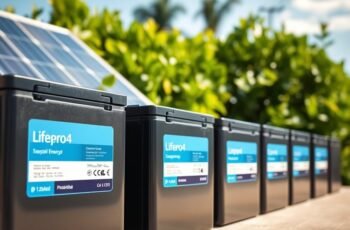
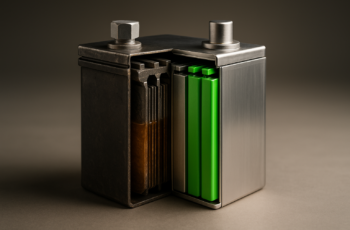
Just as the pioneers of innovation sought safer, more reliable energy sources, we find ourselves examining Lifepo4 batteries for their promising balance of safety and longevity. These lithium iron phosphate cells offer distinct advantages over traditional lithium-ion options, yet understanding their full potential requires a closer look at their chemistry, performance, and applications. As we explore their features, you’ll see why they are increasingly essential in sustainable energy solutions—if you’re curious about what makes them stand out, there’s much more to uncover.
Key Takeaways
- Lifepo4 batteries use lithium iron phosphate chemistry, offering enhanced safety and thermal stability compared to other lithium-ion types.
- They support specific charging protocols, ensuring long lifespan and safe operation through proper voltage and temperature management.
- Known for long cycle life (over 2,000 cycles) and environmental friendliness, making them suitable for renewable energy and backup power.
- Their lower energy density means they are bulkier but provide reliable, safe, and durable power solutions.
- Proper maintenance, including balanced charging and monitoring, extends battery life and ensures safe, sustainable use.
What Are Lifepo4 Batteries and How Do They Work?
Have you ever wondered what makes LiFePO4 batteries distinct from other rechargeable options? Their battery chemistry, based on lithium iron phosphate, offers enhanced thermal stability and safety. Unlike lithium-ion chemistries that use cobalt or nickel, LiFePO4’s structure minimizes thermal runaway risks. This chemistry supports specific charging protocols designed to optimize lifespan and performance—often involving a constant current/constant voltage approach. Proper charging protocols prevent overcharging and degradation, ensuring longevity and efficiency. The chemistry’s stable voltage profile during discharge contributes to reliable power delivery. These factors make LiFePO4 batteries well-suited for demanding applications, emphasizing the importance of understanding their unique chemistry and charging needs. This clarity helps maximize their operational efficiency and safety.
Comparing Lifepo4 Batteries to Other Rechargeable Battery Types
When comparing Lifepo4 batteries to other rechargeable types, energy density and longevity are critical factors. Lifepo4 cells typically offer lower energy density but excel in cycle life and durability, impacting long-term performance. Analyzing these differences helps us determine the most suitable battery technology for specific applications.
Energy Density Differences
How do Lifepo4 batteries compare in energy density to other rechargeable types? Due to their specific battery chemistry, Lifepo4 cells generally have lower energy density than lithium-ion variants like NMC or LCO. This means they store less energy per unit volume or weight, impacting their suitability for applications requiring compact, lightweight energy storage. While Lifepo4 batteries excel in safety and thermal stability, their energy storage capacity is comparatively limited, typically around 90-160 Wh/kg. This lower energy density stems from their stable chemical structure, which prioritizes longevity and safety over maximum energy storage. For situations where size and weight are critical, other lithium-based chemistries may be preferable; however, Lifepo4’s advantages often outweigh this limitation in many stationary or large-scale applications.
Longevity and Durability
Lifepo4 batteries are widely recognized for their impressive longevity and durability compared to other rechargeable chemistries. Their cycle life typically exceeds 2,000 cycles, substantially higher than lead-acid or NMC batteries, which often max out around 500-1,000 cycles. This durability stems from stable chemical structures and manufacturing processes that minimize electrode degradation. Additionally, Lifepo4 batteries are easier to recycle, supporting sustainable battery recycling initiatives. Their robust construction resists thermal runaway and mechanical stress, further extending lifespan. Here’s a comparison:
| Battery Type | Cycle Life | Recycling Ease | Durability Factors |
|---|---|---|---|
| Lifepo4 | >2,000 | High | Stable chemistry, manufacturing quality |
| Lead-acid | 500-1,000 | Moderate | Sulfation, limited thermal stability |
| NMC | 1,000-2,000 | Moderate | Chemical stability, manufacturing controls |
This analysis highlights Lifepo4’s superior longevity and sustainability advantages.
Benefits of Using Lifepo4 Batteries for Your Projects
Lifepo4 batteries offer notable safety advantages due to their stable chemical composition, reducing the risk of thermal runaway. Their extended lifespan minimizes replacement costs and maintenance efforts, making them a reliable choice for long-term projects. Additionally, their eco-friendly design contributes to sustainable energy solutions by minimizing environmental impact.
Enhanced Safety Features
Because safety is paramount in battery-powered projects, LiFePO4 batteries offer vital advantages through their inherent stability and robust chemical composition. Their stable chemistry considerably reduces the risk of thermal runaway, making them inherently safer than other lithium-ion chemistries. This stability supports strict safety protocols, minimizing the chance of accidents like fires or explosions. Their resistance to overcharging and deep discharges enhances accident prevention, even under adverse conditions. Additionally, LiFePO4 batteries produce minimal gas emissions and have a lower propensity for dendrite formation, further reducing safety hazards. These features make them suitable for applications where safety is essential, providing peace of mind. Overall, their enhanced safety profile ensures safer operation, aligning with best practices in battery management and accident prevention strategies.
Longer Battery Lifespan
Have you ever considered how the longevity of a battery impacts the overall success of your project? Lifepo4 batteries offer a considerably longer lifespan due to their stable chemistry and robust construction. Their ability to withstand extensive charge cycles reduces the frequency of replacements, optimizing operational efficiency. Proper charging protocols further extend lifespan by preventing overcharging and thermal stress. Additionally, lifespan improvements benefit battery recycling efforts, reducing waste and environmental impact. To illustrate, consider the following:
| Aspect | Impact |
|---|---|
| Charge cycles | Increased cycles lead to longer service life |
| Charging protocols | Proper protocols prevent premature degradation |
| Thermal management | Minimizes capacity loss over time |
| Battery chemistry | Stable chemistry ensures durability |
| Recycling relevance | Longer lifespan reduces disposal frequency |
Eco-Friendly Energy Solution
Ever wondered how choosing sustainable energy sources can impact both your project’s efficiency and environmental footprint? Lifepo4 batteries present a compelling eco-friendly energy solution due to their longevity and safety features. Their high cycle life reduces the frequency of replacements, minimizing waste and supporting effective battery recycling processes. Unlike other chemistries, Lifepo4 batteries generate fewer hazardous materials, consequently lowering their environmental impact during disposal. Additionally, their stable chemistry ensures safer handling and fewer risks of leaks or fires, further aligning with sustainability goals. By integrating Lifepo4 batteries, projects benefit from reduced ecological footprints and more responsible resource management. This combination of durability, safety, and recyclability makes Lifepo4 batteries a technically sound choice for sustainable, environmentally conscious energy solutions.
Factors to Consider When Choosing a Lifepo4 Battery
When selecting a Lifepo4 battery, it’s essential to carefully evaluate several key factors to guarantee ideal performance and safety. Critical considerations include capacity, cycle life, and safety features, which influence longevity and reliability. Additionally, understanding proper charging techniques ensures maximum efficiency and prevents damage. Battery recycling practices are crucial for environmental impact mitigation and sustainable use. The following table highlights key factors:
| Factor | Importance | Considerations |
|---|---|---|
| Capacity | Determines runtime and power output | Match to application needs |
| Cycle Life | Affects overall lifespan | Higher cycles offer durability |
| Charging Techniques | Ensures safety and efficiency | Use compatible chargers and protocols |
| Safety Features | Prevents hazards and failures | Overvoltage, thermal protection |
How to Properly Maintain and Extend the Life of Lifepo4 Batteries
To maximize the lifespan and performance of LiFePO4 batteries, proper maintenance practices are crucial. Managing charging cycles is critical, as each cycle contributes to capacity degradation over time; limiting deep discharges helps preserve battery health. Regular monitoring of voltage and temperature guarantees ideal operating conditions, preventing overheating and overvoltage stress. Additionally, adopting a balanced charging regimen avoids uneven cell wear. Responsible battery recycling is essential at the end of the battery’s lifecycle, reducing environmental impact and reclaiming valuable materials. Maintaining a consistent charge level—preferably around 50% during storage—further extends longevity. Through disciplined management of charging cycles and environmentally conscious recycling, we can enhance LiFePO4 battery durability and sustainability, ensuring reliable performance over an extended period.
Common Applications and Use Cases for Lifepo4 Batteries
LiFePO4 batteries are widely employed across diverse sectors due to their high energy density, safety profile, and long cycle life. In renewable energy systems, they serve as reliable storage solutions, enabling efficient energy management and grid stability. Their stability under high charge and discharge rates makes them ideal for solar and wind power applications, where consistent energy supply is critical. Additionally, LiFePO4 batteries are extensively used for emergency backup systems, providing dependable power during outages without risk of thermal runaway. Their durability and low maintenance requirements make them suitable for critical infrastructure, off-grid installations, and portable power devices. Overall, their versatility and safety profile position LiFePO4 batteries as essential components in both renewable energy integration and emergency preparedness strategies.
Frequently Asked Questions
Are Lifepo4 Batteries Environmentally Friendly and Recyclable?
Yes, LiFePO4 batteries are environmentally friendly due to their eco-friendliness and safer chemical composition. Their recycling processes are efficient, minimizing environmental impact; we recognize their potential for sustainable energy solutions through responsible disposal and material recovery.
What Is the Typical Lifespan of a Lifepo4 Battery?
Lifepo4 batteries typically last 2000-5000 charge cycles, equating to 8-10 years. Proper battery maintenance and peak charging practices, like avoiding overcharging and deep discharges, greatly extend their lifespan and guarantee reliable performance over time.
Can Lifepo4 Batteries Be Used in Extreme Temperatures?
Can Lifepo4 batteries truly handle extreme temperatures? Their temperature resistance is decent, especially with proper battery insulation, but prolonged exposure to severe heat or cold still risks performance degradation and reduced lifespan.
How Safe Are Lifepo4 Batteries Compared to Other Lithium Batteries?
We find LiFePO4 batteries safer than other lithium chemistries due to their stable chemistry, which considerably reduces fire risk. Their thermal stability and non-combustibility make them a reliable choice for demanding applications.
Are There Size or Capacity Limitations for Lifepo4 Batteries?
We find that Lifepo4 batteries have specific size and capacity constraints dictated by battery dimensions and design limitations; larger capacities often require modular configurations, balancing technical feasibility with practical considerations to optimize performance within these capacity constraints.
Conclusion
In essence, Lifepo4 batteries serve as the steady heart of sustainable energy systems, quietly powering our future with resilience and safety. Their dependable chemistry and longevity resemble a steadfast lighthouse guiding us through the fog of energy challenges. By understanding their nuances, we can harness their full potential, ensuring our projects remain robust and eco-friendly. Embracing Lifepo4 technology is like planting a resilient oak—steady, enduring, and ready to support tomorrow’s innovations.