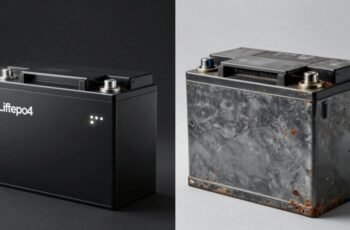
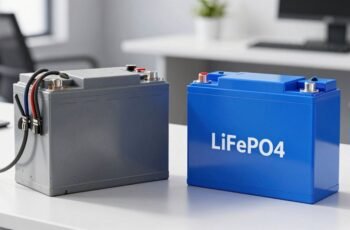
When choosing between lithium-ion and LiFePO4 batteries for deep cycle applications, we recognize that both offer compelling benefits but also present distinct trade-offs. Their performance, safety, longevity, and cost profiles influence suitability for specific needs. Understanding these differences is essential for making an informed decision that aligns with long-term operational goals. As we examine key factors, it becomes clear that the most suitable choice depends on balancing technical requirements with practical considerations—an evaluation that warrants further analysis.
Key Takeaways
- LiFePO4 batteries offer significantly longer cycle life (8-10 years) compared to lithium-ion (3-5 years), making them more durable for deep cycle use.
- LiFePO4 provides superior thermal stability and safety, reducing risks during long-term, repeated cycling.
- Lithium-ion batteries are lighter and better suited for portable or weight-sensitive deep cycle applications.
- LiFePO4 batteries have a lower environmental impact due to longer lifespan and easier recycling processes.
- Lithium-ion batteries charge faster but may require more careful thermal management during frequent deep cycling.
How Do Lithium-Ion and LiFePO4 Batteries Compare in Performance?
Although both lithium-ion and LiFePO4 batteries are popular choices for deep cycle applications, they differ markedly in their performance characteristics. Lithium-ion batteries generally have a lighter battery weight due to higher energy density, making them advantageous where weight is critical. Conversely, LiFePO4 batteries tend to be heavier but offer superior thermal stability and longer cycle life. When considering charging speed, lithium-ion batteries typically charge faster because of their higher charge acceptance rates, enabling quicker replenishment of stored energy. LiFePO4 batteries, while slightly slower during charging, provide consistent performance over extended cycles. These distinctions impact overall system efficiency and suitability, with lithium-ion batteries excelling in weight-sensitive, fast-charging scenarios, and LiFePO4 batteries favoring durability and safety over rapid charge times.
Is Battery Safety a Major Difference Between These Types?
Battery safety is a critical consideration when comparing lithium-ion and LiFePO4 chemistries, as their inherent chemical properties directly influence their risk profiles. LiFePO4 batteries are known for their thermal stability, reducing the likelihood of thermal runaway and fires, which is a significant safety advantage. In contrast, lithium-ion batteries, depending on their manufacturing quality, can pose higher risks of overheating and combustion. Additionally, during battery manufacturing, LiFePO4 cells tend to produce fewer hazardous byproducts, which lessens environmental impact and safety concerns during production and disposal. This chemical stability not only enhances safety but also minimizes potential environmental hazards, making LiFePO4 a safer choice overall. These factors make battery safety a notable, sometimes decisive, difference between the two chemistries.
How Long Do Lithium-Ion and LiFePO4 Batteries Last?
The lifespan of lithium-ion and LiFePO4 batteries is primarily determined by their cycle life and overall durability under operating conditions. Lithium-ion batteries generally last around 300-500 cycles, translating to 3-5 years, while LiFePO4 batteries often exceed 2000 cycles, lasting 8-10 years. Their longevity impacts not only performance but also environmental impact, as longer-lasting batteries reduce waste and facilitate easier battery recycling. The table below compares key durability factors:
| Aspect | Lithium-Ion | LiFePO4 |
|---|---|---|
| Typical Cycle Life | 300-500 cycles | 2000+ cycles |
| Estimated Lifespan | 3-5 years | 8-10 years |
| Environmental Impact | Higher due to shorter life | Lower, more sustainable |
| End-of-Life Recycling | More complex, less developed | Easier, more eco-friendly |
Longer lifespan benefits environmental sustainability and reduces recycling challenges.
What Are the Cost and Maintenance Differences?
Cost and maintenance considerations considerably influence the overall value of lithium-ion and LiFePO4 batteries, especially for deep cycle applications. Lithium-ion batteries generally have higher initial costs but lower maintenance requirements, though they pose greater environmental impact due to recycling challenges. LiFePO4 batteries tend to be more durable, reducing replacement frequency and long-term costs, but their higher upfront investment can be a barrier. Maintenance involves monitoring voltage and temperature to prevent degradation; LiFePO4 batteries are more stable in this regard. Recycling challenges are significant, with lithium-ion batteries often more difficult and costly to process safely, impacting environmental sustainability. Overall, while LiFePO4 batteries offer long-term economic and environmental benefits, initial costs and recycling complexities remain key considerations.
Which Battery Is Best for Your Deep Cycle Needs?
Choosing the right power source for deep cycle applications hinges on evaluating specific needs and operational parameters. Lithium-ion and Lifepo4 batteries each have distinct advantages. Lithium-ion batteries tend to be lighter, offering a significant benefit in weight-sensitive setups, which enhances portability and ease of installation. Lifepo4 batteries, however, feature a more stable chemistry that supports faster charging speeds, reducing downtime during recharging cycles. When selecting the most suitable option, consider whether minimizing weight or maximizing charging efficiency aligns better with your application. For instance, portable systems benefit from the lighter Lithium-ion, while high-cycle, quick-turnaround environments favor Lifepo4. Ultimately, balancing battery weight and charging speed against operational demands guides the best choice for deep cycle needs.
Conclusion
In weighing lithium-ion against LiFePO4 batteries, we recognize that each has strengths suited to specific needs. While lithium-ion offers higher energy density and faster charging, LiFePO4 provides unmatched cycle life and safety. As the saying goes, “Choose your tools wisely,” because understanding these differences guarantees ideal long-term performance. Ultimately, aligning the battery choice with your application’s demands guarantees both efficiency and sustainability for deep cycle use.