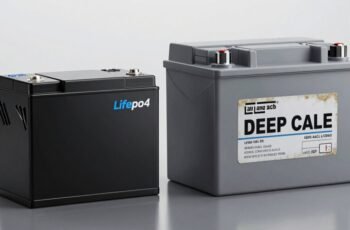
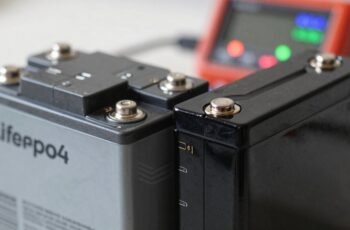
Did you know that despite their similar names, Lithium Iron Phosphate (LiFePO4) batteries and lithium-ion batteries differ markedly in chemistry, affecting safety, lifespan, and performance? While LiFePO4 is often praised for its thermal stability, lithium-ion batteries typically offer higher energy density. Understanding these distinctions is essential for making an informed choice for your RV, especially when durability and safety are priorities. Let’s explore the key differences that could influence your long-term power solutions.
Key Takeaways
- LiFePO4 offers superior thermal stability and safety, reducing fire risks compared to traditional lithium-ion batteries.
- Lithium-ion batteries have higher energy density, providing more power for space-constrained RV applications.
- LiFePO4 batteries have a longer lifespan (2,000–3,000 cycles) than lithium-ion (500–1,500 cycles), making them more durable long-term.
- Although more expensive initially, LiFePO4 batteries are more cost-effective over time due to lower replacement and maintenance costs.
- LiFePO4 is environmentally friendlier, with safer recycling processes and better performance in cold temperatures.
What’s the Difference Between LiFePO4 and Lithium-Ion Batteries?
Although LiFePO4 and traditional lithium-ion batteries share similar chemical foundations, they differ markedly in composition and performance characteristics. Their battery chemistry influences key aspects like voltage stability and thermal behavior. LiFePO4 uses lithium iron phosphate, which offers enhanced thermal stability and longer cycle life, whereas conventional lithium-ion batteries typically contain cobalt or nickel-based cathodes. These differences directly impact charging protocols; LiFePO4 batteries require specific charging voltages and current limits to optimize lifespan and safety. Unlike lithium-ion variants, LiFePO4’s stable chemistry allows for more flexible charging strategies, often enabling faster charging without risking thermal runaway. Understanding these distinctions helps in selecting the appropriate battery type for RV applications, ensuring reliable performance, safety, and longevity.
Is Lithium Iron Phosphate (LiFePO4) Safer for Your RV?
LiFePO4 batteries offer superior thermal stability compared to traditional lithium-ion options, reducing the risk of overheating. This enhanced stability translates into a lower likelihood of fire hazards, making them a safer choice for RV applications. Evaluating these safety features helps determine whether LiFePO4 aligns with your risk management priorities.
Thermal Stability Advantages
When evaluating the safety of battery options for your RV, thermal stability is a critical factor to take into account. Lithium Iron Phosphate (LiFePO4) batteries demonstrate superior thermal stability compared to traditional lithium-ion chemistries, reducing risks associated with overheating. This advantage stems from battery manufacturing that emphasizes robust chemical stability, which minimizes thermal runaway potential. Additionally, LiFePO4’s stable chemistry simplifies thermal management, requiring less complex cooling systems and decreasing the likelihood of thermal events. This inherent stability makes LiFePO4 batteries more resilient under high temperatures or rapid charge/discharge cycles, ensuring safer operation within the confined space of an RV. Consequently, the thermal stability advantages of LiFePO4 translate into enhanced safety and reliability for mobile power systems.
Risk of Fire Reduction
The inherent chemical stability of Lithium Iron Phosphate (LiFePO4) markedly reduces the risk of fire compared to traditional lithium-ion chemistries. Its stable molecular structure prevents thermal runaway, a key factor in battery fires. This safety benefit minimizes concerns during accidental damage or overcharging, making it a safer choice for RV applications. Additionally, LiFePO4 batteries are more environmentally friendly, as their chemistry supports safer battery recycling processes and reduces toxic waste. The lower risk of fire also means fewer safety incidents, which can impact the environmental footprint through reduced hazardous material leaks. Overall, LiFePO4’s stability enhances safety and sustainability, addressing both risk mitigation and environmental impact, and making it a superior option for those prioritizing safety and ecological responsibility in RV battery systems.
How Do LiFePO4 and Lithium-Ion Batteries Perform?
When comparing LiFePO4 and lithium-ion batteries, key performance metrics like energy density, charging efficiency, and longevity are critical. We observe that LiFePO4 batteries typically offer lower energy density but excel in lifespan and stability, while lithium-ion variants often provide higher energy storage and faster charging. Analyzing these differences helps us determine which technology best suits the demanding environment of RV use.
Energy Density Differences
Although both LiFePO4 and lithium-ion batteries are popular choices for RV energy storage, their energy density characteristics differ considerably. Lithium-ion batteries typically boast higher energy densities, enabling more stored power in a smaller, lighter package. Conversely, LiFePO4 batteries offer lower energy density but excel in safety and longevity. Key points include:
- Lithium-ion batteries reach 150–250 Wh/kg, maximizing space efficiency.
- LiFePO4 batteries generally provide 90–110 Wh/kg, favoring durability over weight.
- Higher energy density in lithium-ion batteries impacts battery recycling processes, influencing environmental impact.
- The trade-off affects overall RV design, weight management, and sustainability considerations. Understanding these differences helps optimize energy storage solutions, balancing performance with environmental considerations for long-term RV use.
Charging Efficiency Levels
How efficiently do LiFePO4 and lithium-ion batteries convert charging energy into stored power? LiFePO4 batteries typically have a higher charge acceptance rate, often reaching 95% efficiency, due to their stable chemistry and lower internal resistance. Lithium-ion batteries can also achieve efficiencies around 90-95%, but their performance may decline with rapid charging cycles. Solar compatibility plays a role here—both battery types handle solar input well, but LiFePO4’s better thermal stability allows for more aggressive charge rates. Weight considerations are vital; LiFePO4 batteries tend to be heavier but more robust, maintaining efficiency under various conditions. Overall, both chemistries provide high charging efficiency, but LiFePO4’s slight edge in thermal stability and charge acceptance can translate to better performance in RV applications.
Lifespan and Durability
Both LiFePO4 and lithium-ion batteries demonstrate strong durability profiles, but their longevity depends heavily on chemistry and usage patterns. LiFePO4 batteries typically last longer due to their stable chemistry, offering around 2,000 to 3,000 cycles, whereas lithium-ion batteries average 500 to 1,500 cycles. Factors influencing lifespan include:
- Battery manufacturing quality, which affects internal integrity and cycle life.
- Charging/discharging protocols, impacting chemical stability over time.
- Thermal management, essential for preventing capacity loss.
- Recycling processes, which extend overall lifespan by responsibly managing end-of-life batteries and reducing environmental impact.
Understanding these aspects helps us evaluate durability, emphasizing that chemistry and manufacturing quality are key to optimizing lifespan and sustainability.
What’s the Cost of Lithium Iron Phosphate vs Lithium-Ion RV Batteries?
When comparing the costs of Lithium Iron Phosphate (LiFePO4) and lithium-ion RV batteries, it’s essential to recognize that initial purchase price is just one factor in overall value. LiFePO4 batteries typically have a higher upfront cost but offer lower long-term expenses due to longer cycle life, better stability, and reduced maintenance. Conversely, lithium-ion batteries may seem cheaper initially but could incur higher replacement costs and environmental impact over time, especially considering battery recycling challenges.
| Aspect | Lithium Iron Phosphate | Lithium-Ion |
|---|---|---|
| Initial Cost | Higher | Lower |
| Long-Term Cost | Lower | Potentially Higher |
| Environmental Impact | Better recyclability | Less eco-friendly |
Understanding these factors helps evaluate true lifecycle costs and environmental considerations.
Are LiFePO4 or Lithium-Ion Batteries Better for Long-Term Use?
While both LiFePO4 and lithium-ion batteries are viable options for long-term use, LiFePO4 batteries generally outperform lithium-ion regarding durability and safety over extended periods. They offer superior thermal stability, reducing risks during battery installation and operation. When considering battery life, LiFePO4 cells typically have more charge cycles, enhancing long-term reliability. In terms of power management, LiFePO4’s consistent voltage output simplifies system design and minimizes voltage sag. Additionally, their chemical stability leads to lower maintenance needs and increased safety, especially in demanding RV environments. Key advantages include:
- Higher cycle life and longevity
- Enhanced thermal stability and safety
- Simplified power management
- Better tolerance to deep discharges
These attributes make LiFePO4 preferable for sustained, safe, and efficient RV energy systems.
How Should You Charge and Maintain Your RV Battery?
Proper charging and maintenance are vital to maximizing the lifespan and performance of your RV battery, especially when using LiFePO4 cells known for their durability. Consistent, appropriate charging protocols prevent capacity loss and reduce the risk of overcharging, which can damage the battery and increase environmental impact through premature disposal. Regular maintenance involves monitoring voltage levels, ensuring proper ventilation, and avoiding deep discharges. Responsible battery recycling is critical, given the environmental impact of lithium-based cells, which contain hazardous materials. Proper disposal minimizes ecological harm, while maintaining ideal charge cycles extends battery life, reducing waste. By adhering to manufacturer guidelines and prioritizing environmentally conscious practices, we guarantee that our RV batteries operate efficiently and sustainably over the long term.
Which Battery Is the Best Choice for Your RV?
Choosing the most suitable battery for your RV depends on evaluating specific performance metrics, cost considerations, and long-term reliability. To determine the best choice, consider these key factors:
- Cycle life and durability — Lifepo4 batteries generally offer longer cycle life, reducing replacement costs.
- Storage temperature — Both battery types perform best within ideal temperature ranges; Lifepo4 batteries tolerate colder environments better.
- Battery recycling — Lifepo4 batteries are more environmentally friendly, with more efficient recycling processes compared to traditional lithium-ion.
- Cost and maintenance — While Lifepo4 batteries have a higher upfront cost, lower maintenance and longer lifespan can offset this over time.
Ultimately, Lifepo4 batteries tend to be a better long-term investment for RV use, especially with concerns about environmental impact and battery longevity.
Conclusion
In summary, choosing between LiFePO4 and lithium-ion batteries for our RV is like selecting the right tool for a specific job—each has strengths suited to different needs. LiFePO4’s superior safety, longevity, and thermal stability make it an ideal long-term investment, much like a reliable, sturdy vehicle that withstands the test of time. By understanding these differences, we can make an informed decision that ensures safe, efficient, and sustainable power on our journeys.