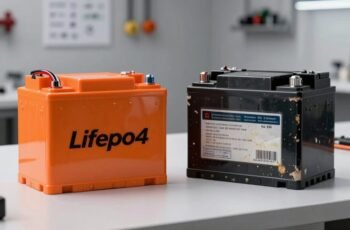
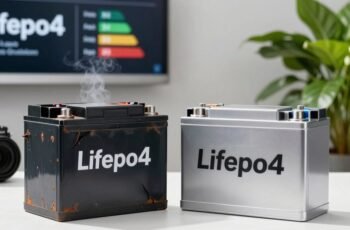
Imagine designing a renewable energy storage system, and choosing between LiFePO4 and Li-ion batteries, each with distinct advantages and trade-offs. These choices hinge on their performance, safety, lifespan, and costs, which can substantially impact your project’s success. Understanding the nuanced differences between these battery types is essential for making an informed decision that balances efficiency with safety and sustainability. The key considerations become clearer as we compare their core characteristics.
Key Takeaways
- LiFePO4 batteries have lower environmental impact, longer cycle life, and better thermal stability than Li-Ion batteries.
- Li-Ion offers higher energy density, making it ideal for portable devices, while LiFePO4 is better for stationary storage and EVs.
- LiFePO4 batteries are safer, resistant to overheating and thermal runaway, with a longer lifespan of 8-10 years.
- Li-Ion batteries typically last 3-5 years, with more complex manufacturing and higher environmental costs.
- Initial costs for LiFePO4 are higher, but long-term savings arise from durability and sustainability advantages.
What Are LiFePO4 and Li-Ion Batteries?
LiFePO4 and Li-Ion batteries are two prominent types of rechargeable lithium-based energy storage systems, each with distinct chemical compositions and performance characteristics. In terms of battery manufacturing, LiFePO4 cells utilize lithium iron phosphate, which requires different synthesis processes compared to traditional Li-Ion cells that typically use cobalt or nickel-based cathodes. This distinction influences environmental impact; LiFePO4 batteries generally have a lower ecological footprint due to safer, less toxic materials and simpler manufacturing processes. They produce fewer hazardous waste concerns and involve less energy-intensive production. Conversely, Li-Ion batteries, especially those with cobalt, pose greater environmental risks during manufacturing and disposal. Understanding these core differences helps evaluate their sustainability and informs choices based on environmental considerations and manufacturing complexity.
How Do Performance and Power Output Compare?
We compare these batteries based on energy density, power delivery rates, and discharge cycle performance to assess their suitability for demanding applications. Li-ion batteries generally offer higher energy density, enabling longer runtimes, while Lifepo4 batteries excel in delivering consistent power and enduring more charge cycles. Understanding these differences helps determine which battery type aligns best with specific performance requirements.
Energy Density Differences
How do the energy densities of LiFePO4 and Li-ion batteries compare regarding performance and power output? Li-ion batteries typically offer higher energy density, enabling longer runtimes and more compact designs, which enhances overall performance. In contrast, LiFePO4 batteries have lower energy density, but their stable chemistry provides consistent power delivery. The manufacturing process influences these differences, as Li-ion production involves complex electrode materials that maximize energy retention, while LiFePO4’s cathode chemistry favors safety and longevity over sheer capacity. Additionally, battery recycling practices impact the sustainability of both types; LiFePO4 batteries are easier to recycle due to their stable chemistry, making their manufacturing more environmentally friendly. These factors collectively shape the energy density profiles and performance characteristics of each battery type.
Power Delivery Rates
While energy density often dominates discussions about battery performance, power delivery rates are equally critical in evaluating their suitability for different applications. Lifepo4 and Li-ion batteries differ markedly here. Typically, Lifepo4 batteries provide a stable, high-rate power output, making them ideal for high-drain devices. Conversely, Li-ion batteries excel in delivering rapid bursts of power, but their performance can fluctuate with aging and manufacturing inconsistencies. Factors like battery recycling influence power stability over time, while manufacturing processes impact internal resistance—key to power delivery efficiency. Specifically:
- Lifepo4 offers consistent high-rate discharge capabilities.
- Li-ion batteries can deliver quick power spikes but may degrade faster.
- Recycling influences long-term power retention.
- Manufacturing quality directly affects internal resistance and output stability.
Understanding these nuances helps in selecting batteries aligned with application demands and sustainability goals.
Discharge Cycle Performance
When comparing discharge cycle performance, the focus centers on how well batteries maintain their capacity and power output over repeated use. Lifepo4 batteries excel here, offering markedly longer cycle life—often exceeding 2,000 cycles—thanks to their stable chemistry and robust manufacturing processes. This durability translates to more consistent performance and less degradation over time. In contrast, Li-ion batteries typically sustain around 500-1,000 cycles, with capacity fading becoming evident sooner. Additionally, Lifepo4’s safer chemistry facilitates easier battery recycling, reducing environmental impact. Manufacturing processes for Lifepo4 emphasize structural stability, which enhances cycle life and performance consistency. Overall, Lifepo4 batteries demonstrate superior discharge cycle performance, maintaining higher capacity and power output over extended periods, making them a reliable choice for long-term applications.
Which Battery Is Safer for Your Applications?
When evaluating safety, we consider the thermal stability differences between Lifepo4 and Li-ion batteries, as this impacts their susceptibility to overheating. The risk of fire varies considerably, with Lifepo4 batteries generally offering a safer profile due to their chemical composition. Additionally, structural durability influences how well each battery withstands physical stresses, affecting overall safety in application environments.
Thermal Stability Differences
Thermal stability is a critical factor in evaluating battery safety, especially when considering applications with varying temperature conditions. Lifepo4 batteries demonstrate superior thermal stability due to their robust chemical structure, reducing risks associated with overheating. In contrast, Li-ion batteries are more sensitive, requiring strict thermal management and safety protocols. Key differences include:
- Lifepo4 cells resist thermal runaway better, even under high charge/discharge rates.
- Li-ion batteries tend to generate more heat during operation, increasing the need for cooling systems.
- Lifepo4’s chemistry allows for safer operation at elevated temperatures without degradation.
- Proper safety protocols are essential for Li-ion batteries to mitigate risks related to temperature extremes.
These distinctions influence safety considerations, making Lifepo4 batteries generally safer in diverse thermal environments.
Risk of Fire
Is fire risk a decisive factor in choosing between Lifepo4 and Li-ion batteries? Both present fire hazards under specific conditions, but Lifepo4 batteries are generally considered safer due to their thermal stability. Li-ion batteries can experience thermal runaway if damaged or improperly handled, increasing fire risk. Safety precautions such as proper ventilation, temperature control, and protective circuitry are essential for both types. The table below compares fire hazards:
| Feature | Lifepo4 Battery | Li-ion Battery |
|---|---|---|
| Fire hazard level | Lower, more thermally stable | Higher, prone to thermal runaway |
| Risk factors | Overcharging, physical damage | Overcharging, puncture, high temperature |
| Safety precautions | Robust BMS, proper handling | BMS, cooling systems, careful storage |
| Fire safety rating | Generally safer | Higher risk without adequate safeguards |
| Flammability | Less flammable | More flammable |
Structural Durability
Structural durability is a critical factor in determining the suitability of batteries for various applications, as it directly influences safety and lifespan under operational stresses. Lifepo4 batteries generally exhibit superior chemical stability, making them more resilient to thermal and mechanical shocks. Manufacturing quality significantly impacts durability; consistent processes reduce internal defects that compromise structural integrity. In contrast, Li-ion batteries are more susceptible to degradation from manufacturing inconsistencies, which can lead to internal damage over time.
- Lifepo4’s robust crystal structure resists swelling and cracking.
- Higher chemical stability reduces risk of structural failure.
- Manufacturing quality controls ensure uniform electrode integrity.
- Li-ion’s sensitive electrolyte layers are prone to deterioration.
How Long Do LiFePO4 and Li-Ion Batteries Last?
Understanding the lifespan of LiFePO4 and Li-Ion batteries requires examining their chemical stability and cycle life. LiFePO4 batteries typically endure around 2,000 to 3,000 charge cycles, translating to 8-10 years of reliable use, while Li-Ion batteries generally last 500-1,500 cycles, or roughly 3-5 years. This difference impacts not only durability but also the potential for battery recycling, as longer-lasting batteries reduce waste and environmental impact. The extended cycle life of LiFePO4 batteries makes them more sustainable over time, with fewer replacements needed. Conversely, the shorter lifespan of Li-Ion batteries contributes to increased disposal concerns, elevating environmental impact. Ultimately, longevity influences maintenance costs and environmental considerations, emphasizing the importance of choosing batteries with longer cycle lives for sustainable energy solutions.
What Are the Cost Differences Between Them?
The initial cost of LiFePO4 batteries tends to be higher than that of Li-Ion batteries, primarily due to their advanced chemistry and manufacturing requirements. This cost disparity is influenced by factors such as:
- Market availability – LiFePO4 batteries have a more limited market, which affects economies of scale.
- Manufacturing costs – Their complex chemistry demands more precise production processes, increasing expenses.
- Material costs – The raw materials for LiFePO4, like lithium iron phosphate, are generally more costly than those used in Li-Ion batteries.
- Long-term savings – Despite higher upfront costs, LiFePO4 batteries often have lower total ownership costs due to longer lifespan and better stability.
When Should You Use LiFePO4 vs. Li-Ion Batteries?
Choosing between LiFePO4 and Li-Ion batteries depends on specific application requirements and operational priorities. LiFePO4 batteries excel in scenarios demanding high safety, long cycle life, and lower environmental impact, especially considering battery recycling challenges. They are suitable for stationary energy storage, electric vehicles, and applications prioritizing environmental sustainability. Conversely, Li-Ion batteries offer higher energy density, making them preferable for portable devices and applications where weight is critical. The environmental impact varies; LiFePO4 cells are more eco-friendly due to safer chemistry and easier recycling processes. Use the table below to evaluate decision factors:
| Criterion | LiFePO4 | Li-Ion |
|---|---|---|
| Safety | Higher safety profile | More prone to overheating |
| Environmental Impact | Lower, easier recycling | Higher, complex recycling |
| Cycle Life | Longer cycle life | Shorter cycle life |
How to Decide Which Battery Is Right for You
Selecting the appropriate battery type requires analyzing specific application demands and operational constraints. To determine the best fit, we consider factors like energy density, lifespan, safety, and environmental impact. For example:
- Energy density: Li-ion batteries offer higher energy density, ideal for portable devices, whereas LiFePO4 batteries provide stable power for stationary setups.
- Lifespan and durability: LiFePO4 batteries typically last longer with more charge cycles, reducing the frequency of replacements and supporting sustainable battery recycling.
- Safety and thermal stability: LiFePO4 has a lower risk of thermal runaway, beneficial in high-stress environments.
- Environmental impact: Both types impact the environment, but LiFePO4’s easier recycling process reduces ecological footprint. Choose based on your long-term sustainability goals.
Conclusion
Ultimately, choosing between LiFePO4 and Li-ion batteries isn’t about finding the perfect one—it’s about understanding which trade-offs we’re willing to accept. Ironically, the safer, longer-lasting LiFePO4 might be overlooked due to its higher upfront cost, while the lightweight, high-energy Li-ion could pose risks we’d rather avoid. Our decision hinges on balancing safety, longevity, and performance—reminding us that sometimes, the best choice isn’t the flashiest, but the most sustainable.