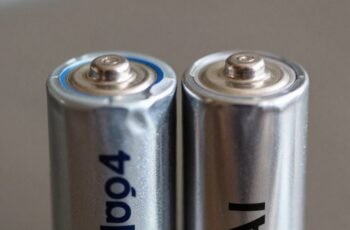
When considering replacing lead-acid batteries with LiFePO4, we recognize the potential benefits but also the technical complexities involved. This shift requires a thorough assessment of system compatibility, voltage adjustments, and charger specifications. While LiFePO4 offers advantages like longer lifespan and enhanced safety, understanding the necessary modifications is essential for a seamless upgrade. Exploring these factors thoroughly is vital before making any changes to your existing setup.
Key Takeaways
- Yes, LiFePO4 batteries can replace lead-acid batteries with system adjustments.
- Compatibility of voltage and charging profiles must be ensured for safe operation.
- Upgrading or modifying chargers and BMS may be necessary for optimal performance.
- LiFePO4 offers longer lifespan, higher safety, and better environmental benefits.
- Proper system planning and recycling partnerships facilitate a successful transition.
What Are Lead-Acid and LiFePO4 Batteries?
Lead-acid and LiFePO4 batteries are two prevalent chemistries used for energy storage, each with distinct characteristics that influence their performance and application. Lead-acid batteries, known for their affordability and widespread use, have a mature recycling process, but their environmental impact remains significant due to toxic lead and sulfuric acid. Conversely, LiFePO4 batteries offer higher energy density, longer lifespan, and improved safety, resulting in reduced waste and environmental footprint. Their recycling involves safer, more efficient processes, lowering overall environmental impact. Understanding these differences helps evaluate sustainability and ecological consequences when considering replacements. While lead-acid batteries pose challenges in recycling and pollution, LiFePO4 batteries present a promising, eco-friendlier alternative, aligning with increasing focus on environmentally responsible energy storage solutions.
Should You Upgrade to LiFePO4 Batteries?
When considering an upgrade to LiFePO4 batteries, we must evaluate the initial investment against long-term performance benefits. Their superior longevity and consistent power output often justify higher upfront costs, but these advantages vary based on application. Analyzing these factors helps determine if the shift aligns with operational and financial goals.
Cost and Investment
While the upfront cost of LiFePO4 batteries is higher than traditional lead-acid options, a thorough financial analysis reveals that their longer lifespan and lower maintenance expenses can lead to significant savings over time. The initial investment may be offset by benefits such as:
- Reduced replacement frequency, decreasing waste and supporting battery recycling efforts.
- Lower maintenance costs, minimizing labor and material expenses.
- Enhanced environmental impact, as LiFePO4 batteries produce fewer hazardous emissions and have a more sustainable lifecycle.
Although the initial price is higher, the total cost of ownership favors LiFePO4 over the long term. Careful consideration of these factors underscores the value of investing in this advanced technology for both economic and ecological benefits.
Performance and Longevity
Evaluating the performance and longevity of LiFePO4 batteries reveals notable advantages over traditional lead-acid options. Their unique battery chemistry provides higher cycle life, often exceeding 2000 cycles compared to lead-acid’s 500-1000. This results in prolonged usability and lower replacement costs. Additionally, LiFePO4 batteries deliver consistent performance across temperature ranges, improving reliability. From an environmental impact perspective, these batteries produce less hazardous waste and have a smaller carbon footprint during manufacturing and disposal. To better understand, consider the following comparison:
| Feature | Lead-Acid | LiFePO4 |
|---|---|---|
| Cycle Life | 500-1000 cycles | 2000+ cycles |
| Environmental Impact | Higher due to hazardous materials | Lower, more sustainable |
| Battery Chemistry | Sulfation prone | Stable, safer chemistry |
| Performance Consistency | Variable over time | Consistent over lifespan |
| Cost over Lifetime | Higher due to replacement | Lower with durability |
Can LiFePO4 Batteries Replace Lead-Acid in Your System?
LiFePO4 batteries are increasingly considered viable replacements for traditional lead-acid systems due to their superior performance characteristics. Their battery chemistry offers enhanced stability, safety, and efficiency, making them suitable for renewable energy setups. These batteries enable:
- Faster charging cycles, reducing downtime in energy storage.
- Higher energy density, allowing more power in a compact form.
- Longer cycle life, ensuring durability over years of use.
This combination of technical advantages makes LiFePO4 a compelling alternative, especially where system reliability and longevity matter. Their ability to handle deep discharges without damage aligns well with renewable energy applications, providing consistent power output. Shifting from lead-acid to LiFePO4 can substantially improve system performance and reduce maintenance costs over time.
Compatibility Factors for Switching to LiFePO4
When considering switching to LiFePO4, we must evaluate voltage compatibility to guarantee system components can handle the different discharge profiles. Adjustments to the charging system are often necessary to optimize performance and safety, given LiFePO4’s specific charging requirements. Additionally, physical size and weight differences can impact installation and overall system design, warranting careful assessment before conversion.
Voltage Compatibility Considerations
Ensuring voltage compatibility is essential when shifting from lead acid to LiFePO4 batteries, as these chemistries differ considerably in their voltage profiles. LiFePO4 cells typically operate at a nominal voltage of 3.2V, compared to 2V for lead acid cells, affecting overall system voltage and performance. To prevent issues, consider:
- Matching the battery bank voltage to the system’s designed voltage to avoid overvoltage or undervoltage conditions.
- Evaluating the impact on existing wiring and protective devices, which may require updates.
- Recognizing that proper voltage alignment supports not only efficient operation but also improves battery recycling potential, reducing environmental impact by extending battery lifespan and minimizing waste. Correct voltage compatibility ensures safe, sustainable, and efficient energy storage.
Charging System Adjustments
Adjusting the charging system is a key step in optimizing performance and longevity when switching to LiFePO4 batteries. Unlike lead-acid, LiFePO4 requires a tailored charging profile, typically involving a higher voltage cutoff and a specific charge curve. Proper charge regulation prevents overcharging, which can accelerate battery degradation and increase environmental impact due to potential cell damage and reduced lifespan. Additionally, compatibility with existing chargers must be assessed; some systems may need upgrades or specialized LiFePO4-compatible chargers. This minimizes waste and supports battery recycling efforts, reducing environmental impact. Ensuring the charger’s settings align with LiFePO4’s requirements not only extends battery life but also promotes sustainable practices through effective recycling and responsible disposal at end-of-life.
Physical Size and Weight
Switching to LiFePO4 batteries often requires careful consideration of their physical dimensions and weight, as these factors directly impact compatibility with existing systems. LiFePO4 cells are generally more compact and lighter than lead acid counterparts, which can influence installation space and structural support. For example:
- A 12V LiFePO4 pack may be 30% lighter and smaller, reducing strain on mounting brackets.
- Variations in cell design can alter dimensions, necessitating system modifications.
- Larger batteries facilitate easier battery recycling, reducing environmental impact at end-of-life.
Understanding these physical differences aids in system planning and guarantees seamless integration. Additionally, lighter, more compact LiFePO4 batteries contribute to sustainability efforts by simplifying battery recycling processes, consequently minimizing environmental impact.
Do You Need a New Charger for LiFePO4?
Replacing lead acid batteries with LiFePO4 cells often raises questions about compatibility with existing charging systems. The key factor here is battery chemistry, which influences how the charger manages voltage and current. Lead acid chargers are designed for a specific voltage profile and charging algorithm suited to their chemistry, typically with bulk, absorption, and float stages. LiFePO4 batteries require a different charging approach; they need a charger that recognizes their stable voltage profile and does not overcharge. As a result, charging compatibility becomes essential. Using an incompatible charger can lead to undercharging, overcharging, or reduced battery lifespan. To guarantee ideal performance and safety, it’s advisable to use a charger specifically designed for LiFePO4 chemistry or one with a configurable profile suited to this chemistry.
How Do Costs Compare: Lead-Acid vs. LiFePO4?
While LiFePO4 batteries typically require a higher initial investment compared to lead-acid options, their superior cycle life and efficiency can lead to significant long-term savings. Analyzing these cost differences helps clarify whether the upfront expense is justified over the battery’s lifespan. Ultimately, understanding these trade-offs enables informed decisions aligned with operational needs.
Initial Investment Differences
The initial investment required for LiFePO4 batteries is generally higher than for traditional lead-acid options, primarily due to material costs and manufacturing complexity. This upfront expense reflects the advanced chemistry and precision engineering involved. Visualize this as:
- A compact, lightweight cell structure compared to bulky lead plates.
- Sophisticated battery management systems ensuring longevity and safety.
- Higher-quality materials that support sustainable battery recycling and minimize environmental impact.
While the initial costs are steeper, LiFePO4 batteries often offset this through longer lifespan and reduced maintenance. Additionally, their design facilitates easier battery recycling, further decreasing environmental impact over time. These factors contribute to a more sustainable, long-term energy storage solution despite the higher initial investment.
Long-Term Cost Savings
Over the lifespan of a battery system, LiFePO4 batteries typically offer significant cost advantages over lead-acid options due to their durability and lower maintenance requirements. While initial costs are higher, LiFePO4’s longer cycle life reduces replacement frequency, leading to lower total ownership costs. Additionally, their superior efficiency diminishes energy losses, translating into savings over time. From an environmental impact perspective, LiFePO4 batteries are more sustainable, as they facilitate more efficient battery recycling processes and generate less hazardous waste compared to lead-acid systems. This eco-friendly advantage, coupled with reduced maintenance and longer service life, results in substantial long-term cost savings, making LiFePO4 a more economically and environmentally responsible choice over the lifespan of the energy storage system.
What You Need to Know Before Installing LiFePO4 Batteries
Before installing LiFePO4 batteries, it’s essential to understand their unique technical requirements and compatibility considerations. First, ensure your existing system supports the higher voltage and different charging profiles of LiFePO4. Second, evaluate the environmental impact, as LiFePO4 batteries are more eco-friendly but still require proper disposal and recycling. Third, consider the battery recycling process, which minimizes environmental harm and recovers valuable materials, making LiFePO4 a sustainable choice. Properly integrating these batteries involves verifying compatible chargers, appraising system capacity, and understanding lifecycle implications. Addressing these factors ensures safe operation and maximizes environmental benefits, aligning with responsible energy storage practices. This technical awareness helps prevent system failures and promotes sustainable battery management.
Challenges When Switching to LiFePO4 and How to Overcome Them
Switching to LiFePO4 batteries presents several technical and logistical challenges that require careful planning and adjustment. One primary concern is compatibility with existing systems, which may necessitate new chargers or BMS (Battery Management System) upgrades. Additionally, understanding the environmental impact involves considering battery recycling options, as LiFePO4 batteries are more eco-friendly but still require responsible disposal.
| Challenge | Solution | Impact |
|---|---|---|
| System Compatibility | Retrofit with appropriate BMS | Ensures safety and efficiency |
| Recycling & Disposal | Partner with certified recycling programs | Minimizes environmental footprint |
| Initial Cost & Supply | Conduct market research for suppliers | Reduces long-term costs |
Addressing these challenges facilitates a smoother shift while promoting sustainable practices.
Benefits of Upgrading to Lithium Iron Phosphate Batteries
Upgrading to Lithium Iron Phosphate (LiFePO₄) batteries offers significant advantages in performance, safety, and longevity. These batteries provide higher energy density, enabling longer usage with less space, and feature a stable chemistry that reduces thermal runaway risks. Additionally, LiFePO₄ cells support faster charging cycles, optimizing operational efficiency. From an environmental perspective, these batteries are more sustainable: they facilitate easier battery recycling, reducing waste and hazardous materials. Their extended lifespan minimizes replacement frequency, decreasing overall environmental impact. Visualize a system where:
- Energy capacity surpasses lead-acid counterparts, supporting demanding applications.
- Safety features mitigate fire hazards and chemical leaks.
- Lifecycle benefits contribute to reduced waste through efficient battery recycling.
Altogether, these benefits underscore the strategic value of upgrading, balancing performance gains with environmental responsibility.
Do You Need a Full System Upgrade When Moving to LiFePO4?
When considering a move to LiFePO₄ batteries, understanding whether a full system overhaul is necessary hinges on the compatibility of existing components and the specific demands of your application. In many cases, partial upgrades suffice, especially if your current system supports the voltage and charging profiles of LiFePO₄. However, compatibility issues may arise, requiring inverter or charger adjustments. Upgrading can also influence the environmental impact, as LiFePO₄ batteries are more recyclable and eco-friendly. To illustrate:
| Compatibility | Considerations |
|---|---|
| Yes | Minimal modifications needed |
| No | Full system upgrade required |
| Partial | Specific component replacements |
Ultimately, evaluating your system’s configuration and understanding battery recycling implications help determine the scope of your upgrade.
Conclusion
Switching to LiFePO4 batteries is like upgrading from a tricycle to a sports car—it’s a significant leap that can enhance performance and longevity. However, careful system evaluation and proper component matching are vital for a smooth transition. By understanding compatibility, updating chargers, and addressing potential challenges, we can guarantee the switch is both safe and efficient. Ultimately, a well-planned upgrade releases the full potential of lithium iron phosphate technology.